
This bovine gelatin recipe combines 7 grams of unflavored beef gelatin with 2 cups of apple juice to make four small dessert servings. Sprinkle the gelatin over some cold juice, dissolve it with the warmed remaining juice, and refrigerate for about 4 hours. The result should be a soft, spoonable gelatin dessert; follow your gelatin brand’s directions if its recommended setting ratio differs.
You only need two ingredients for the base recipe. Honey is optional, and the same preparation method can also make a savory gelatin using broth.
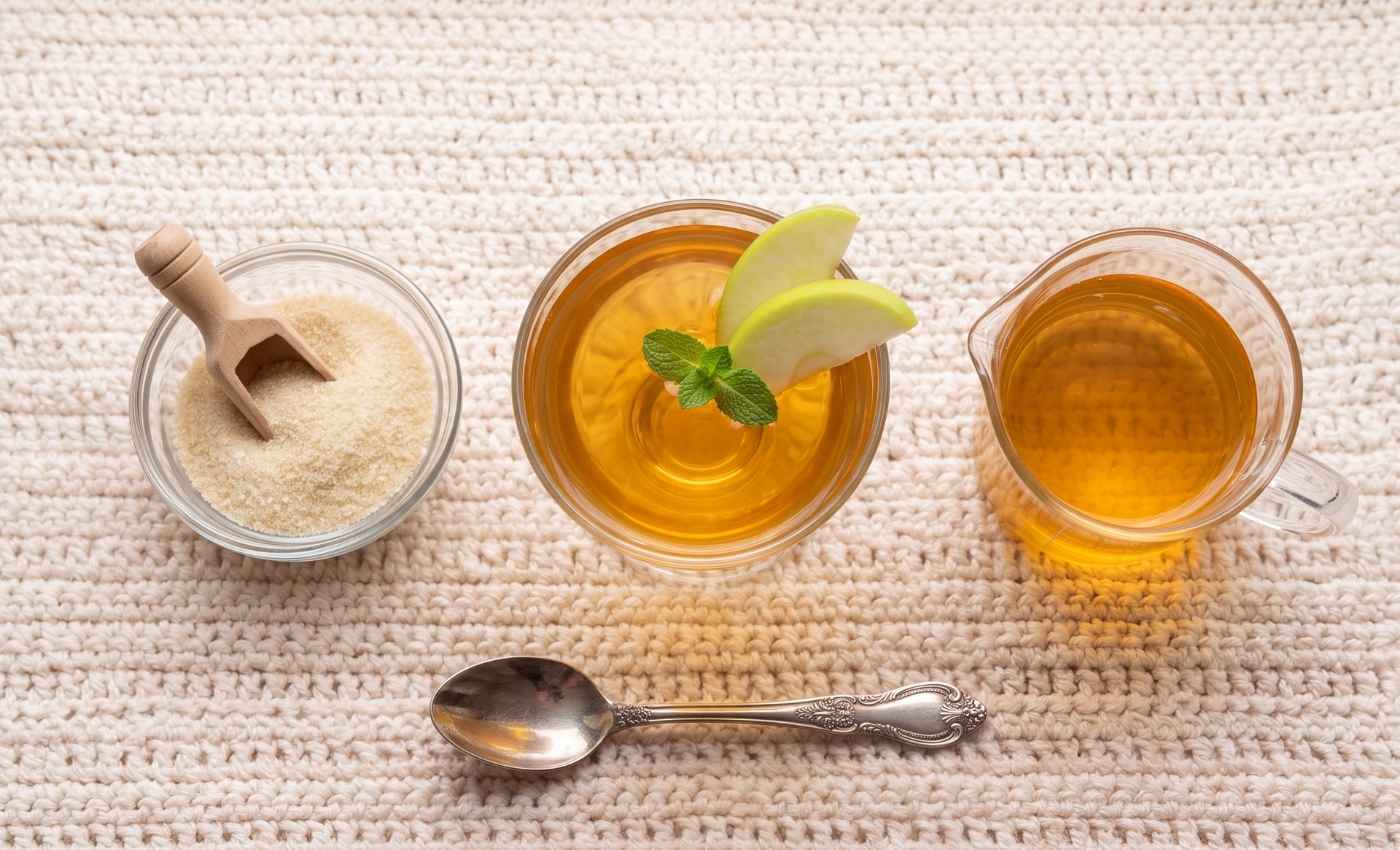
What is bovine gelatin?
Bovine gelatin is gelatin made from cattle collagen. Food manufacturers extract collagen from materials such as bovine hides and bones, then process it into a cooking ingredient. “Beef gelatin” and “bovine gelatin” describe the same animal source. GELITA explains gelatin sources and production.
For this recipe, choose food-grade, unflavored powdered gelatin labeled bovine or beef. Check the animal source on the package because an unflavored gelatin product is not automatically beef-derived.
This recipe uses purchased gelatin powder. Making gelatin-rich stock from bones is a different process and produces a liquid with less predictable setting strength.
Bovine gelatin recipe
Use apple juice for your first batch. Its sweetness makes added sugar optional, and its clear color makes undissolved granules easier to spot.
| Recipe detail | Amount or time |
|---|---|
| Yield | Approximately 2 cups |
| Servings | 4, about ½ cup each |
| Prep time | 10 minutes, including blooming |
| Heating time | About 5 minutes |
| Refrigeration | About 4 hours, or until set |
| Total time | Approximately 4 hours 15 minutes |
| Intended texture | Soft, spoonable gelatin |

Easy Homemade Fruit Gelatin
A simple bovine gelatin recipe combining unflavored beef gelatin with apple juice to make four soft, spoonable dessert servings.
Ingredients
- 7 grams unflavored powdered bovine gelatin
- 2 cups apple juice, divided into ½ cup cold juice and 1 ½ cups for heating, approximately 475 ml total
- 1–2 teaspoons honey or sugar, optional
Instructions
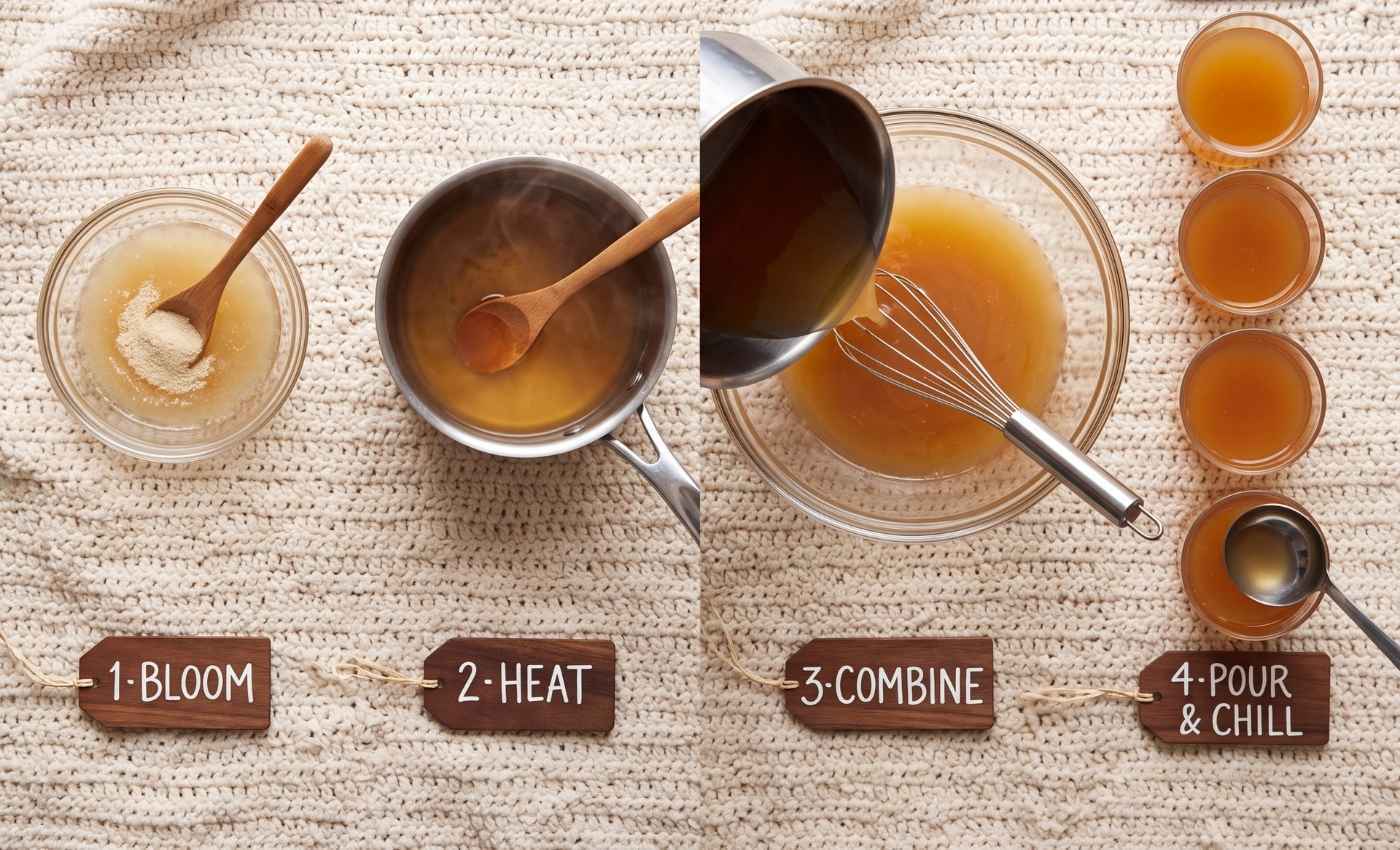
- Bloom the gelatin. Pour ½ cup cold apple juice into the heatproof bowl. Sprinkle the gelatin evenly across the surface. Leave it for 5 minutes, or for the time stated on the package. The powder should absorb liquid and look swollen, with no dry mound in the center.
- Warm the remaining juice. Heat 1 ½ cups apple juice in the saucepan over medium-low heat until steaming. Remove from the heat before it reaches a rolling boil. Stir in the optional sweetener until dissolved.
- Dissolve completely. Pour the warm juice over the bloomed gelatin. Stir gently for 1–2 minutes, scraping the bottom and sides, until no granules remain. If needed, return the mixture to the saucepan and warm gently while stirring.
- Portion. Divide between four dessert cups. Skim off surface foam if you want a smoother appearance.
- Refrigerate. Place the cups in the refrigerator for about 4 hours, or until the gelatin holds a soft jiggle when a cup is tilted. Cover once cool. Large or deep containers can take longer.
- Serve cold. Serve directly from the cups. Add berries or a spoonful of whipped cream just before serving, if desired.
Notes
This formulation is intended for spooning from a cup. Gummies, firm cubes, and unmolded desserts need their own gelatin ratios.
Nutrition Information
Yield 1 Serving Size 1Amount Per Serving Calories 256Total Fat 1gSaturated Fat 0gUnsaturated Fat 1gSodium 32mgCarbohydrates 56gFiber 1gSugar 48gProtein 6g
Nutritional data is estimated
How much bovine gelatin should you use?
The starting ratio in this recipe is 7 grams of powdered bovine gelatin for 2 US cups of liquid. Measure all liquid used for blooming as part of the total, not as extra liquid.
| Batch size | Total apple juice | Bovine gelatin | Cold juice for blooming | Juice to heat |
|---|---|---|---|---|
| Half batch | 1 cup | 3.5 g | ¼ cup | ¾ cup |
| Base recipe | 2 cups | 7 g | ½ cup | 1½ cups |
| Double batch | 4 cups | 14 g | 1 cup | 3 cups |
This table scales the apple-juice recipe. It does not guarantee identical firmness with every brand or liquid. Gelatin strength, acidity, and other ingredients affect the set. If your package specifies a different amount for a spoonable dessert, follow that guidance.
Keep doubled batches in individual cups when possible. Doubling the ingredients does not mean that one deep bowl will chill as quickly as several small cups.
Why bloom gelatin before heating it?
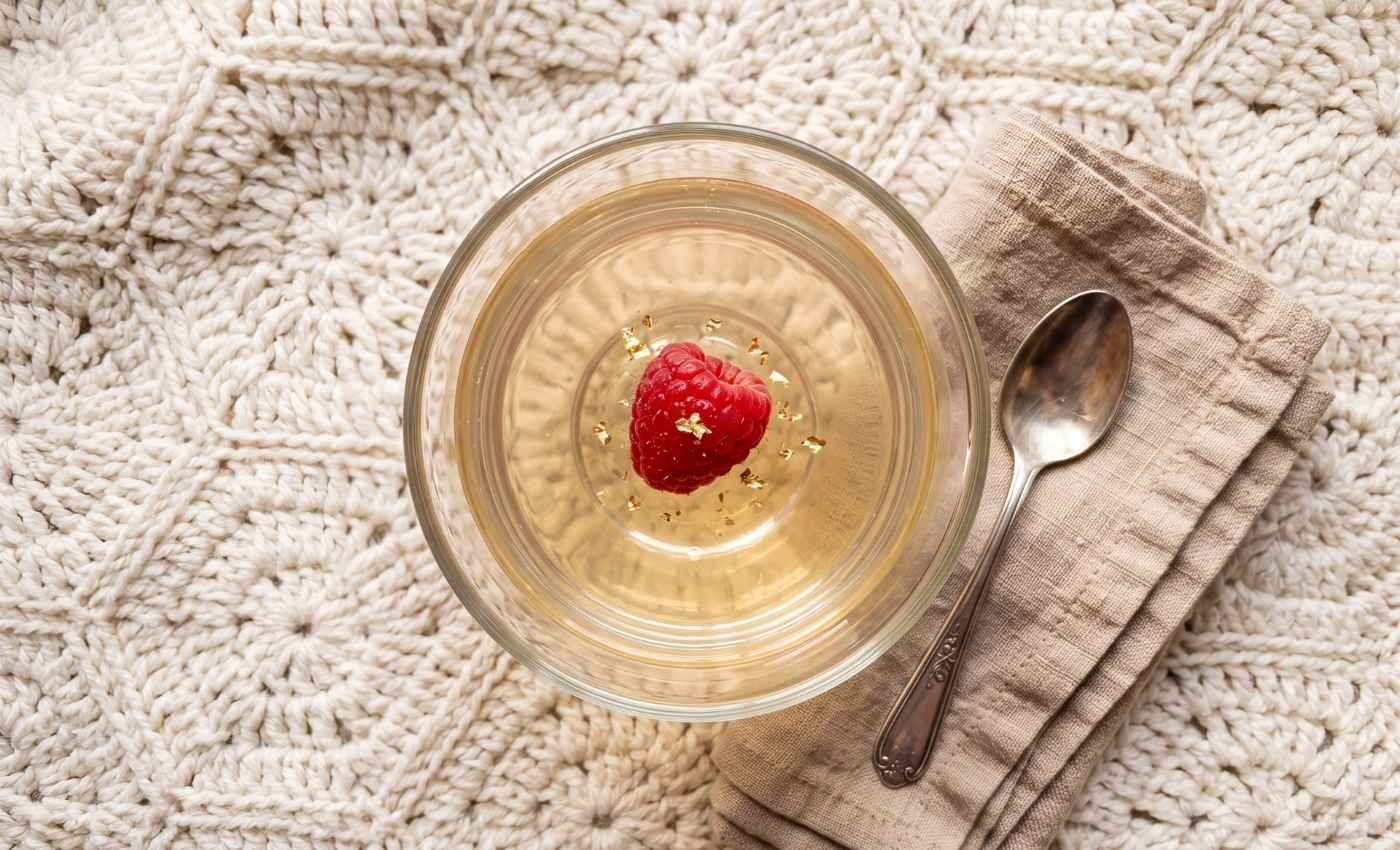
Blooming hydrates powdered gelatin before it dissolves. Spreading the powder across cold liquid helps prevent dry clumps. The liquid can then be warmed to dissolve the hydrated gelatin. Serious Eats describes this cold-hydration method.
For this recipe, the bloom should resemble thick applesauce or a soft sponge. A dry patch means some powder has not contacted enough liquid. Gently wet that patch and allow a little more time before adding the hot juice.
Can you make a savory bovine gelatin recipe?
For a savory version to serve cold in cups, replace the apple juice with the same quantity of strained, ready-to-eat beef broth and omit the sweetener. Bloom the powder in cold broth, dissolve it with the heated remaining broth, and chill until set.
Choose broth that you enjoy drinking on its own. Gelatin provides structure, so the broth must supply the flavor. Broth that already gels in the refrigerator may need less added gelatin; test a small batch before scaling up.
Gelatin also adds body to stocks and pan sauces, an application covered in the Serious Eats gelatin guide. A chilled broth gel and a hot gravy have different texture goals, so do not treat this dessert ratio as a universal gravy formula.
For a complete dinner with a traditional flour-thickened gravy, see this garlic herb beef roast.
Bovine gelatin versus collagen powder
Gelatin powder and collagen peptides are different cooking ingredients. Use gelatin for this recipe because it forms a gel as the prepared mixture cools. Collagen peptides are not a setting substitute.
| Ingredient | Suitable for this recipe? | What to check |
|---|---|---|
| Unflavored bovine gelatin powder | Yes | Food-grade label and package setting directions |
| Collagen peptides | No | These do not provide the required gel |
| Other animal-source gelatin | May work | Setting strength and dietary requirements |
| Gelatin sheets | Requires conversion | Sheet weight, strength, and manufacturer instructions |
| Agar powder | Requires a different recipe | Different heating method and finished texture |
| Sweetened flavored gelatin mix | Not a direct substitution | Contains additional ingredients and has its own directions |
Flavor variations
Keep the total liquid at 2 cups when adapting the base recipe. Treat a new liquid as a small test batch because a substitution can change firmness.
Grape gelatin: Replace the apple juice with bottled grape juice. Taste before adding honey because the juice may already be sweet enough.
Apple-cinnamon gelatin: Warm a cinnamon stick in the portion of juice being heated, then remove it before combining with the bloomed gelatin. This gives cinnamon flavor without loose ground spice settling in the cups.
Less-sweet apple gelatin: Replace ½ cup of the apple juice with water. Use the same gelatin weight and skip the optional sweetener. The flavor will be lighter.
Avoid starting with fresh pineapple or kiwi juice. Their enzymes can interfere with gelatin setting. Use a recipe specifically developed for those fruits instead of assuming a direct substitution will work.
Why did my bovine gelatin not set?
First, allow enough refrigeration time. If the mixture is still liquid after an overnight chill, review the powder type, liquid measurement, and dissolution step.
| Problem | Possible cause | What to do |
|---|---|---|
| Mixture remains liquid | Collagen peptides used instead of gelatin | Remake with gelling gelatin powder |
| Gel is softer than expected | Extra liquid, weaker gelatin, or a changed juice | Check measurements and the brand’s setting ratio |
| Grainy or lumpy texture | Powder did not hydrate or dissolve fully | Gently rewarm a properly refrigerated batch and stir until smooth, then chill again |
| Gel is rubbery | Too much gelatin for the intended texture | Weigh the powder and reduce it in the next batch |
| Surface has bubbles | Vigorous whisking | Stir gently and skim foam before chilling |
| Center stays loose | Deep container or insufficient chilling | Use smaller cups and refrigerate longer |
Do not sprinkle dry gelatin directly into a chilled batch to firm it up. The added powder still needs to hydrate and dissolve. Start by checking the manufacturer’s ratio rather than adding an arbitrary extra spoonful.
How should you store homemade gelatin?
Keep the finished cups covered in the refrigerator at 40°F (4°C) or below. For this recipe, plan to eat the fruit gelatin within 3–4 days for a conservative home-storage window. Use clean utensils and add toppings shortly before serving.
For the broth variation, use freshly prepared or newly opened broth and count any previous refrigerated storage toward its remaining shelf life. FoodSafety.gov lists 3–4 days for refrigerated soups and stews. Adding gelatin does not restart that storage period. FoodSafety.gov cold-storage guidance.
Freezing is not recommended for these dessert cups because thawing can leave an uneven texture and released liquid.
Frequently asked questions
Is bovine gelatin the same as beef gelatin?
Yes. Both terms indicate gelatin sourced from cattle. Brand strength and granule size can still differ, so compare the package directions when switching products.
Does bovine gelatin taste like beef?
Food-grade unflavored bovine gelatin is intended to have little flavor at normal recipe amounts. The apple juice should be the main flavor in these cups. If your gelatin has a noticeable odor or flavor, check its condition, storage instructions, and manufacturer guidance.
Can I use water instead of juice?
Yes, but plain water and gelatin make a nearly flavorless gel. Replace some or all of the juice with water only if you want a less-sweet result or plan to add another flavoring.
Can I make this recipe without added sugar?
Yes. Omit the optional honey or sugar. Apple juice still contains naturally occurring sugars, so this version is not sugar-free.
Is bovine gelatin vegetarian or automatically halal?
Bovine gelatin is animal-derived, so it is not vegetarian or vegan. A bovine label identifies the animal source; it does not establish halal certification. Check the specific product for the certification you require.
Can I make bovine gelatin from beef bones?
Cooking collagen-rich beef bones and connective tissue in water can produce stock that gels when chilled. Homemade stock contains water, flavor compounds, and variable amounts of gelatin, so it is not a measured replacement for dry gelatin powder in this recipe.
More cooking guides from Meat & Melt
For another ingredient technique, learn the measured method for baking soda ground beef. For recipes to serve with beef dinners, browse the homemade sauce recipes.

Leave a Reply