
Hey, I’m Chloe! If there’s one cut of beef that feels like a quiet little secret in the comfort-food world, it’s beef cheeks. They look humble, they’re incredibly affordable, and once you braise them low and slow, they turn into one of the most tender, melt-in-your-mouth dishes you’ll ever scoop onto a plate. When I first started Meat & Melt, I had no idea that beef cheeks would become one of my go-to cold-weather meals. But the moment I tasted that first forkful, I was hooked.
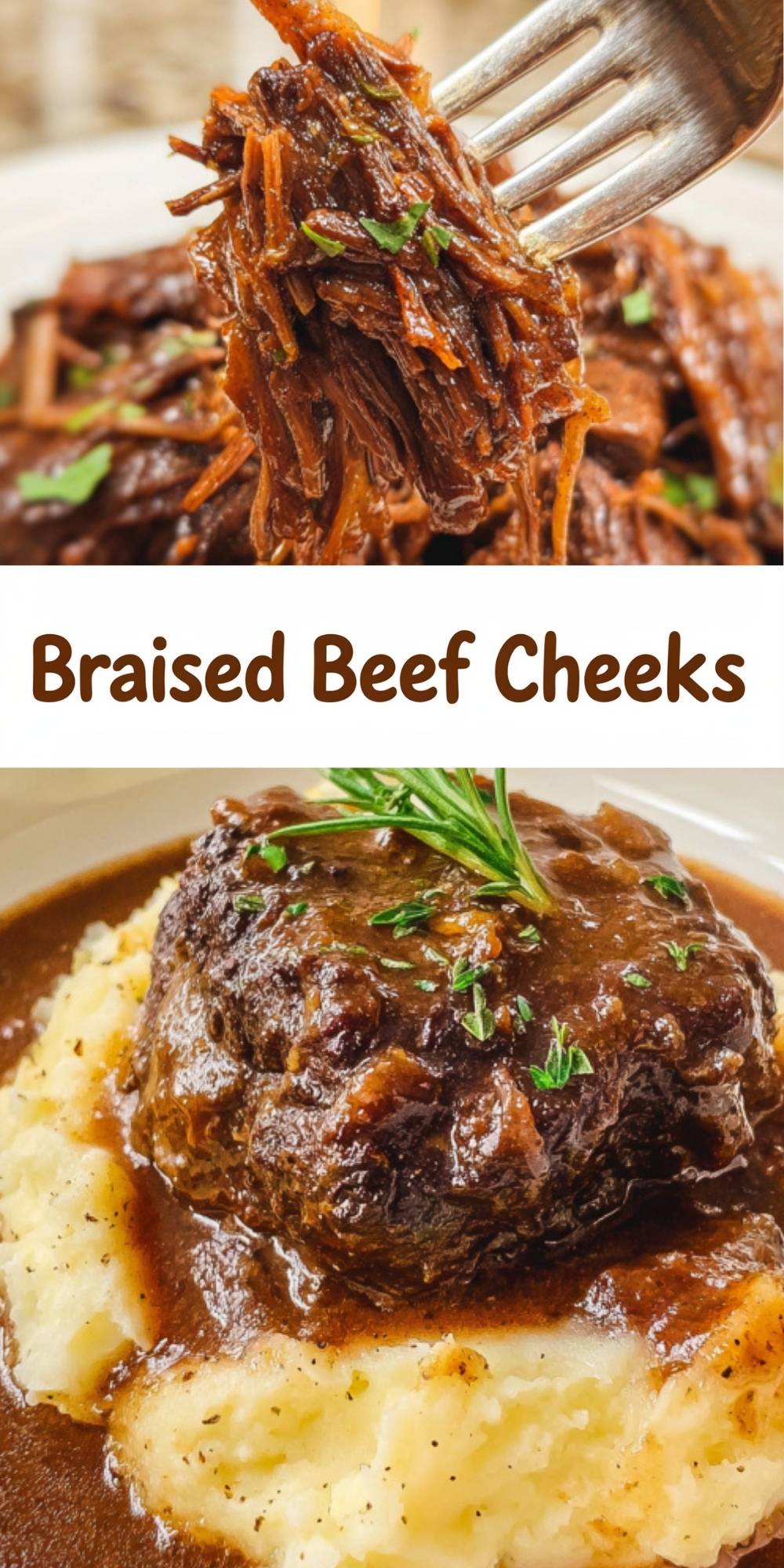
What Makes Braised Beef Cheeks So Good
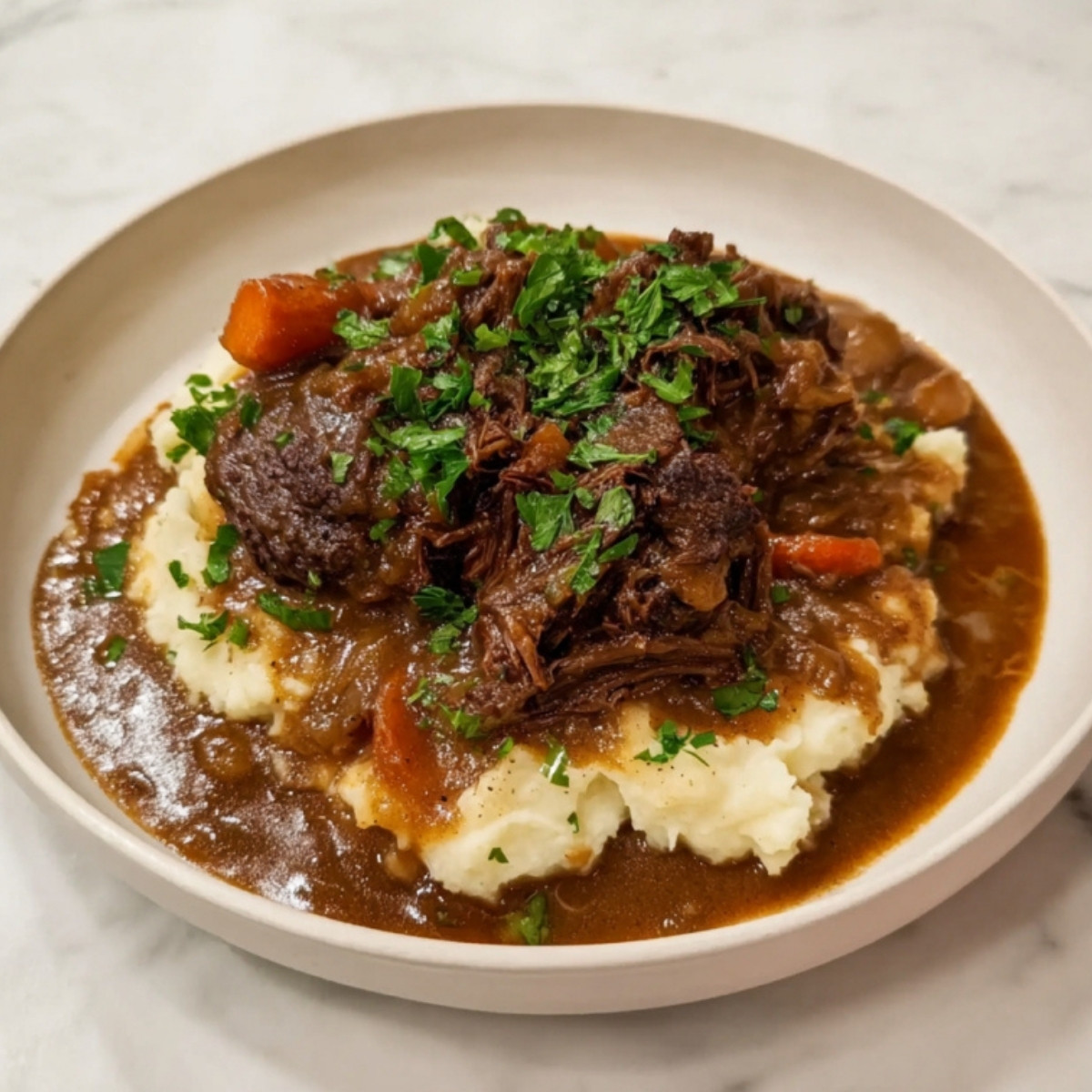
When you hear that beef cheeks come from the cheek muscle of the cow, you might assume they’re tough. And you’d be right—until you braise them. Cheeks are hard-working muscles, which means they’re full of connective tissue that breaks down into silky softness with slow cooking. That transformation is what makes braised beef cheeks so unforgettable.
Here’s why they’re perfect for braising:
- They become unbelievably tender
- They soak up deep flavors from wine, herbs, and broth
- They create a naturally rich, velvety sauce
- They’re budget-friendly compared to short ribs or brisket
- They feel high-end but use simple, familiar ingredients
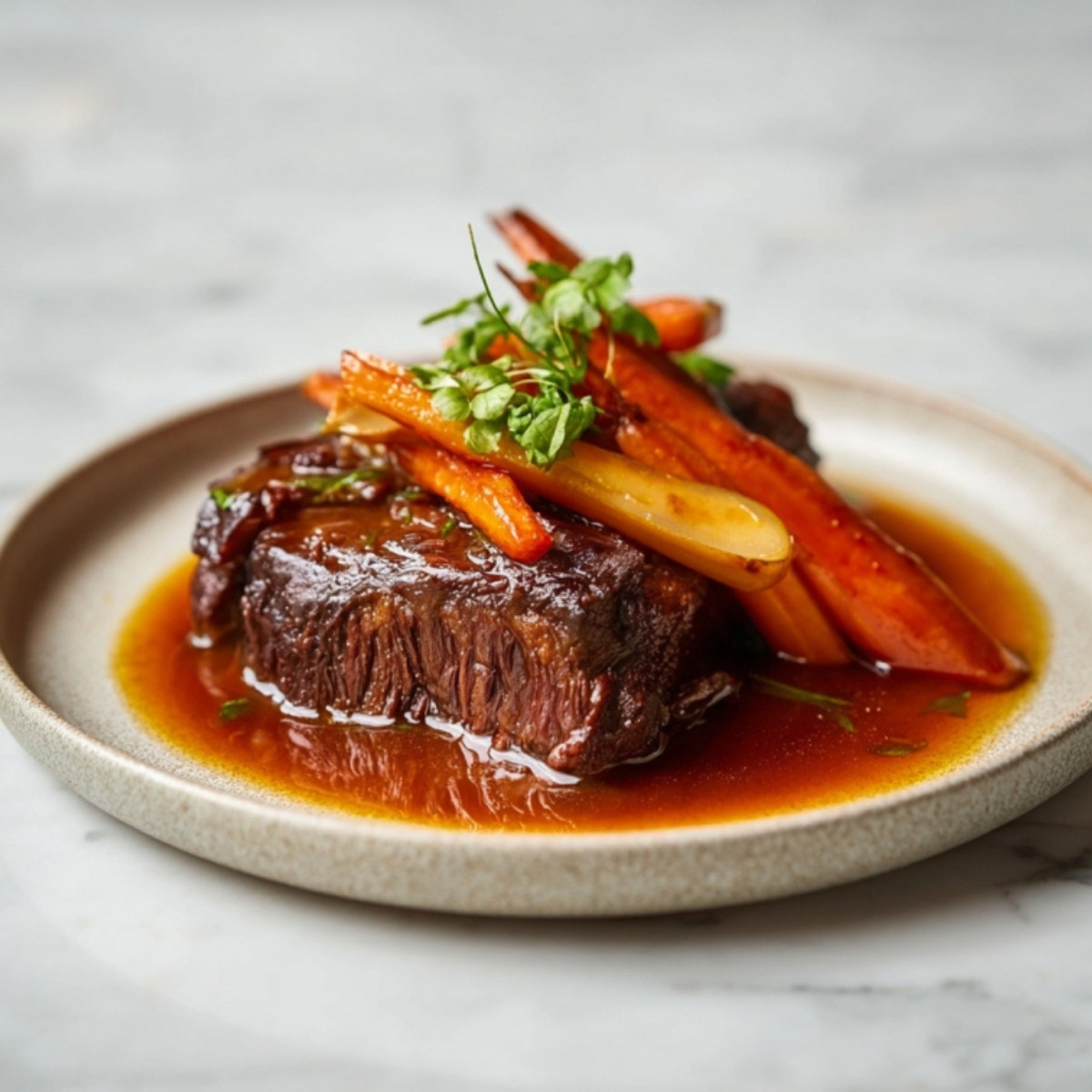
If you love pot roast, short ribs, or beef stew, think of beef cheeks as their elegant, deeply flavorful cousin.
Ingredients for Braised Beef Cheeks
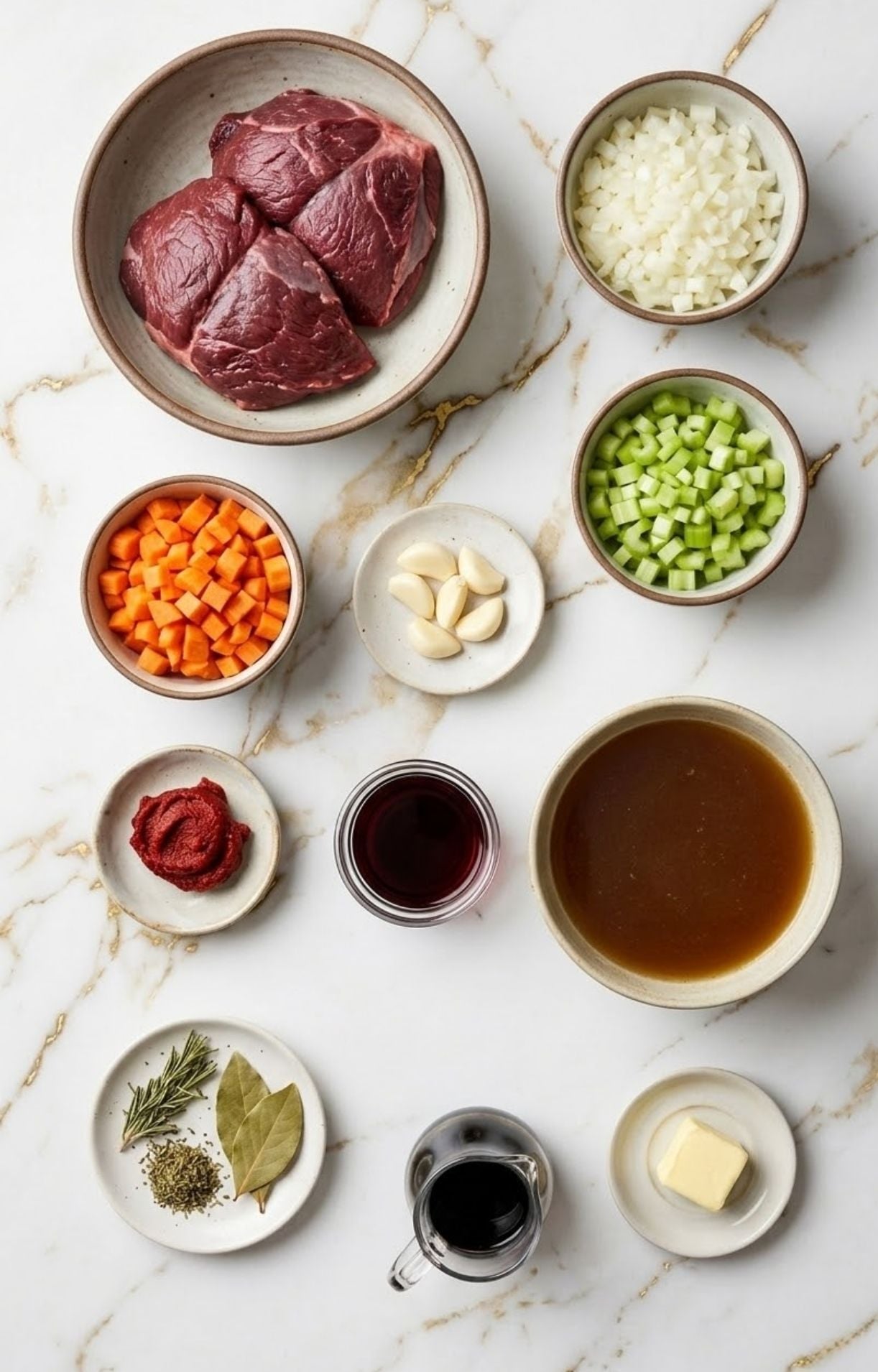
This recipe uses classic braising ingredients that build deep flavor over time. Everything here is simple and easy to find.
Beef
Two large beef cheeks are perfect for two to four servings. Trim off any large membranes.
Aromatics
A classic mirepoix (onion, celery, carrots) adds sweetness, depth, and body to the sauce.
Garlic
Essential for backbone flavor.
Tomato Paste
Adds umami and helps thicken the sauce.
Red Wine
A full-bodied dry wine will deepen the entire dish. Cabernet, Merlot, Shiraz, or Malbec all work beautifully.
Beef Broth
Rounds out the braising liquid and balances the wine.
Herbs
Dried thyme, rosemary, and bay leaves build slow-cooked complexity.
Balsamic Vinegar
A splash brightens the overall flavor and gives just the right amount of acidity.
Butter
Finishes the sauce with a glossy, smooth texture.
For precise amounts, check the recipe card at the end of the post.
Best Wine for Braised Beef Cheeks
When cooking with wine, always choose something you’d be happy to drink. You don’t need anything expensive—just dry, flavorful, and hearty.
Great options include:
- Cabernet Sauvignon
- Shiraz
- Malbec
- Merlot
- Tempranillo
Avoid sweet wines; they can make the sauce too sugary and muddy the flavor.
How to Make Braised Beef Cheeks (Step-by-Step)
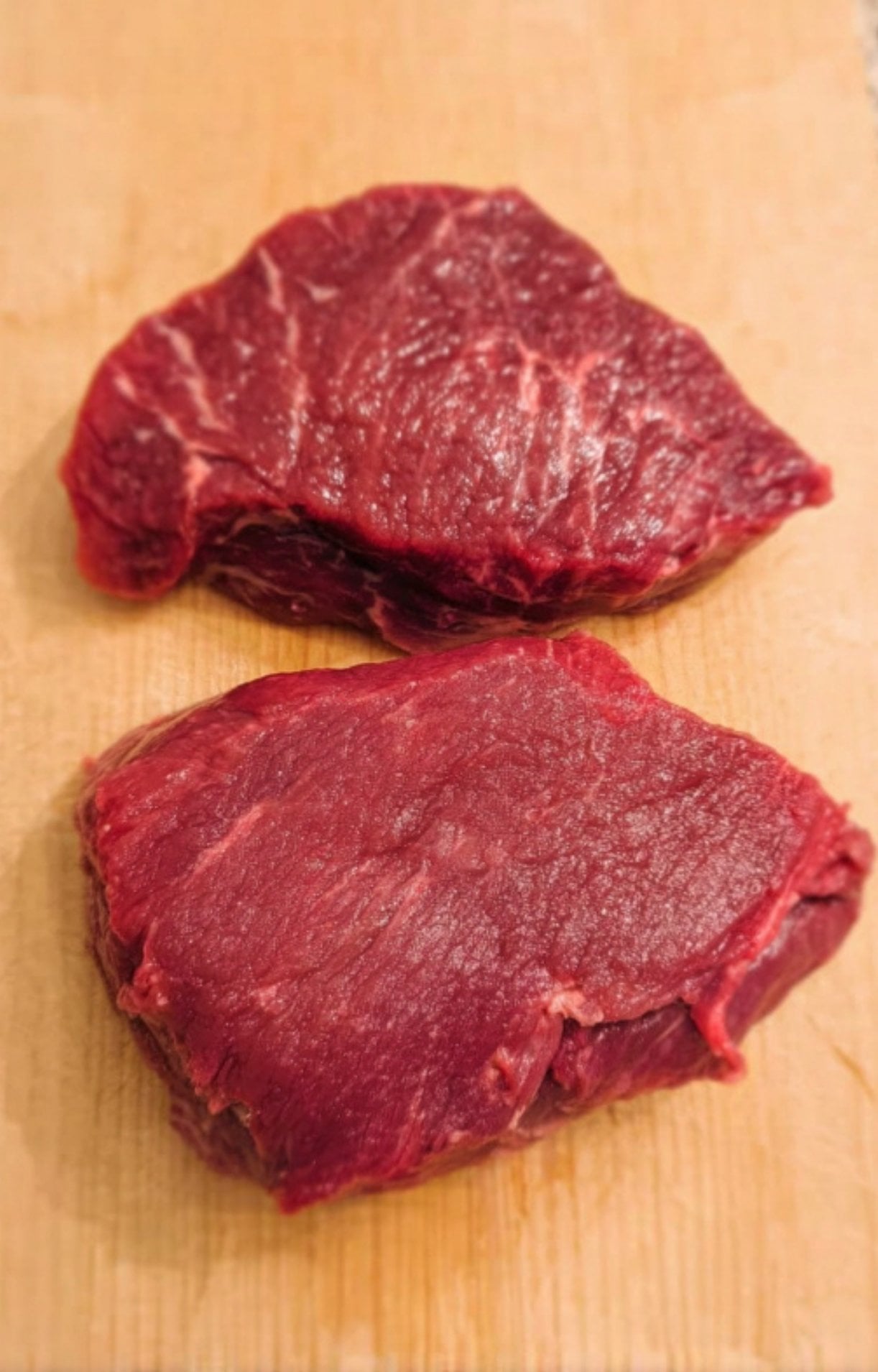
Step 1: Trim the Cheeks
Use a sharp knife to remove any thick membranes or silver skin. This helps the cheeks braise evenly and become fully tender.
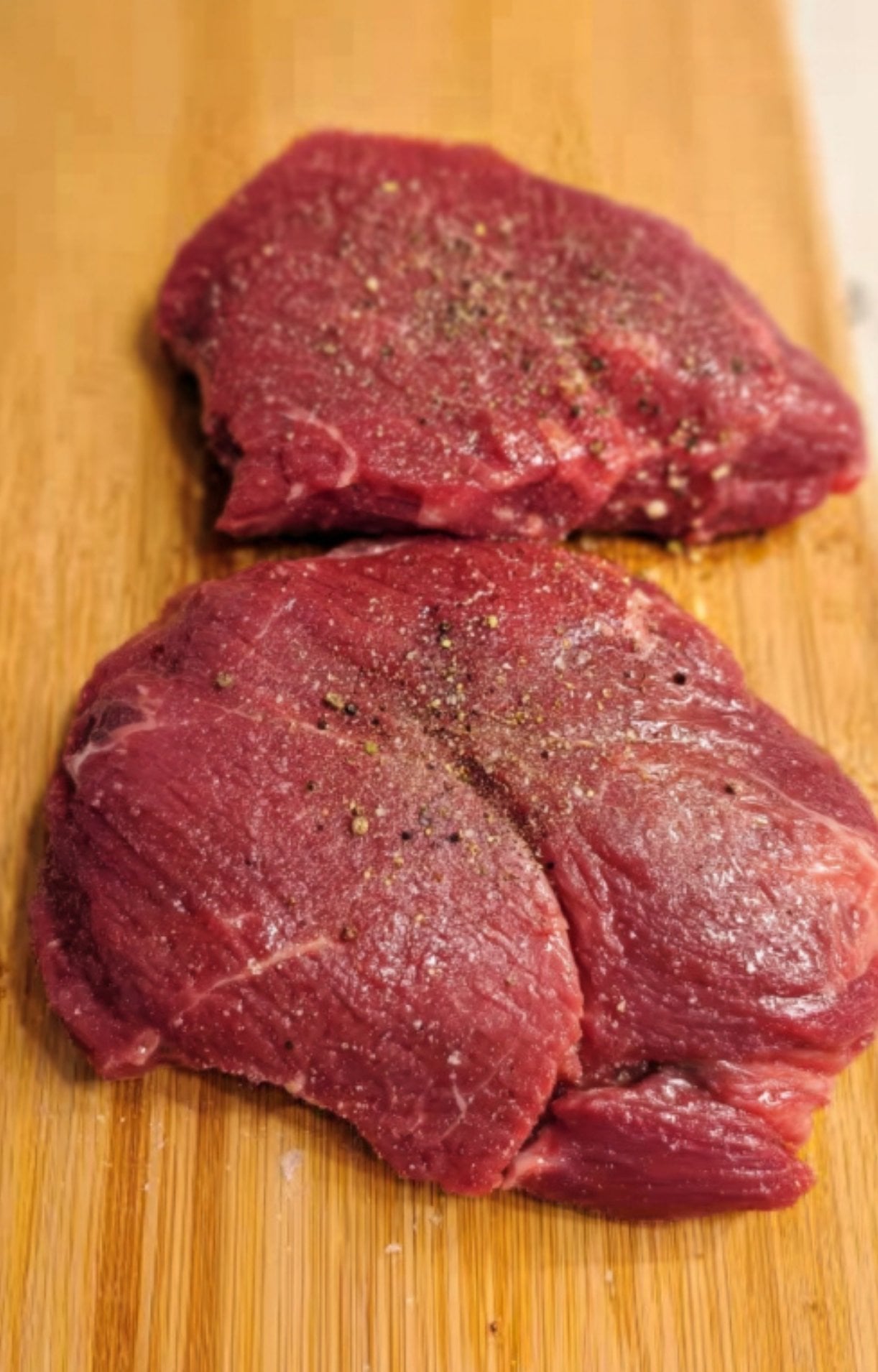
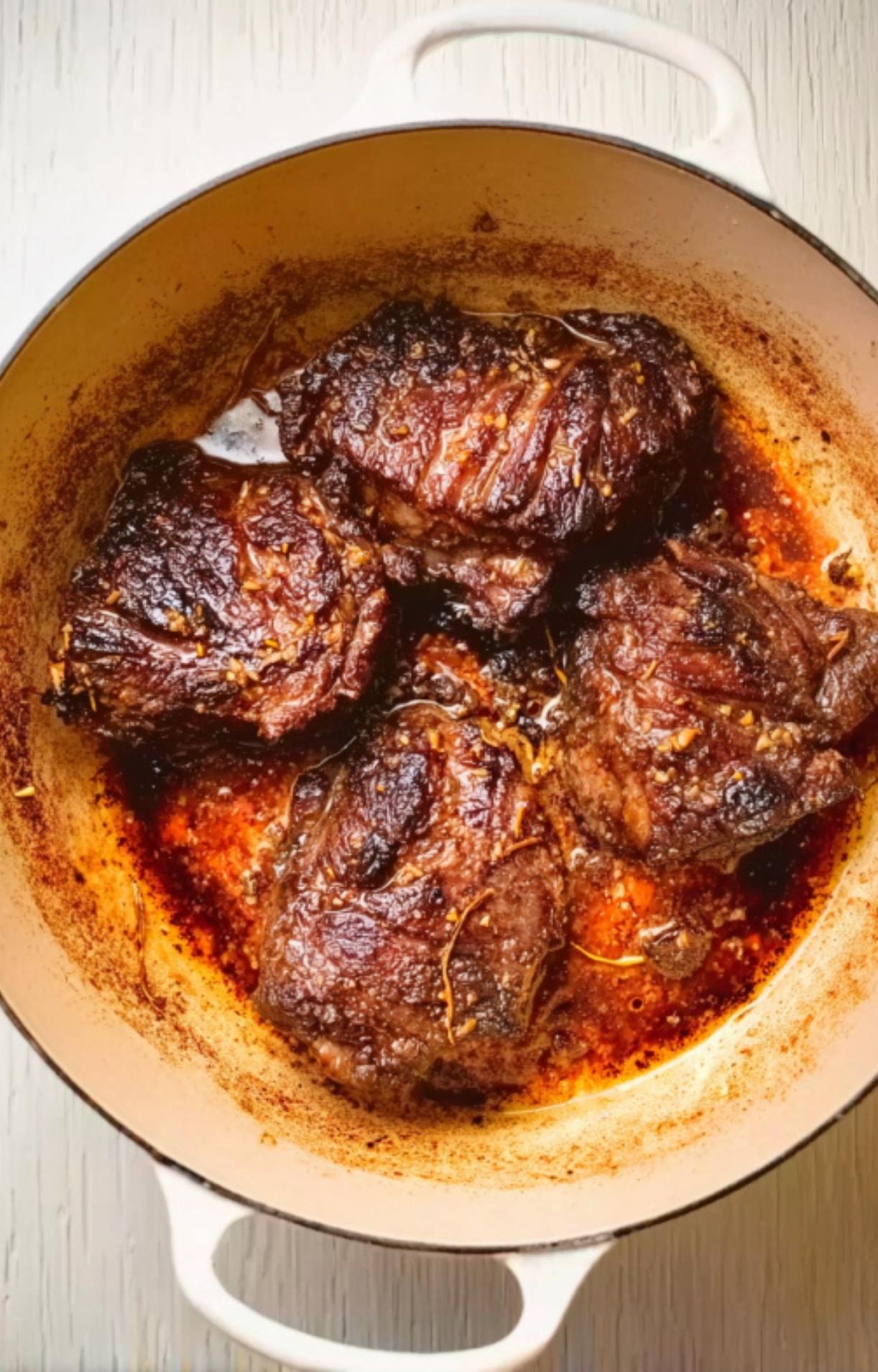
Step 2: Season and Sear
Salt and pepper generously on all sides. Sear the cheeks in hot olive oil until deeply browned. Browning develops flavor and builds the foundation of your sauce.
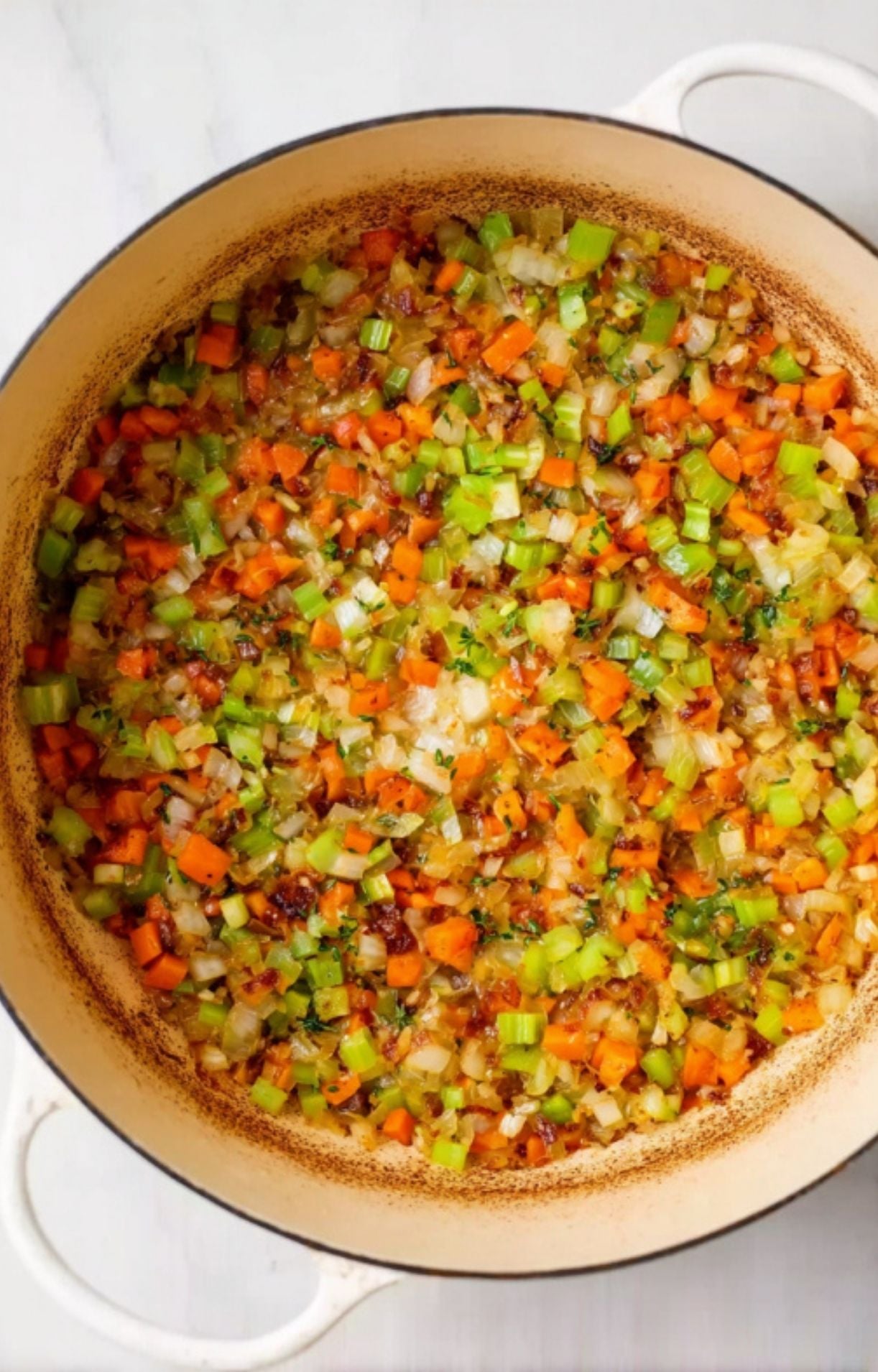
Step 3: Build the Braising Base
Sauté the onion, celery, and carrot until softened. Add garlic and tomato paste, letting the paste cook until darkened. This intensifies the richness of the sauce.
Step 4: Deglaze
Pour in red wine and scrape up all the browned bits from the bottom of the pot. These tiny bits contain huge flavor.
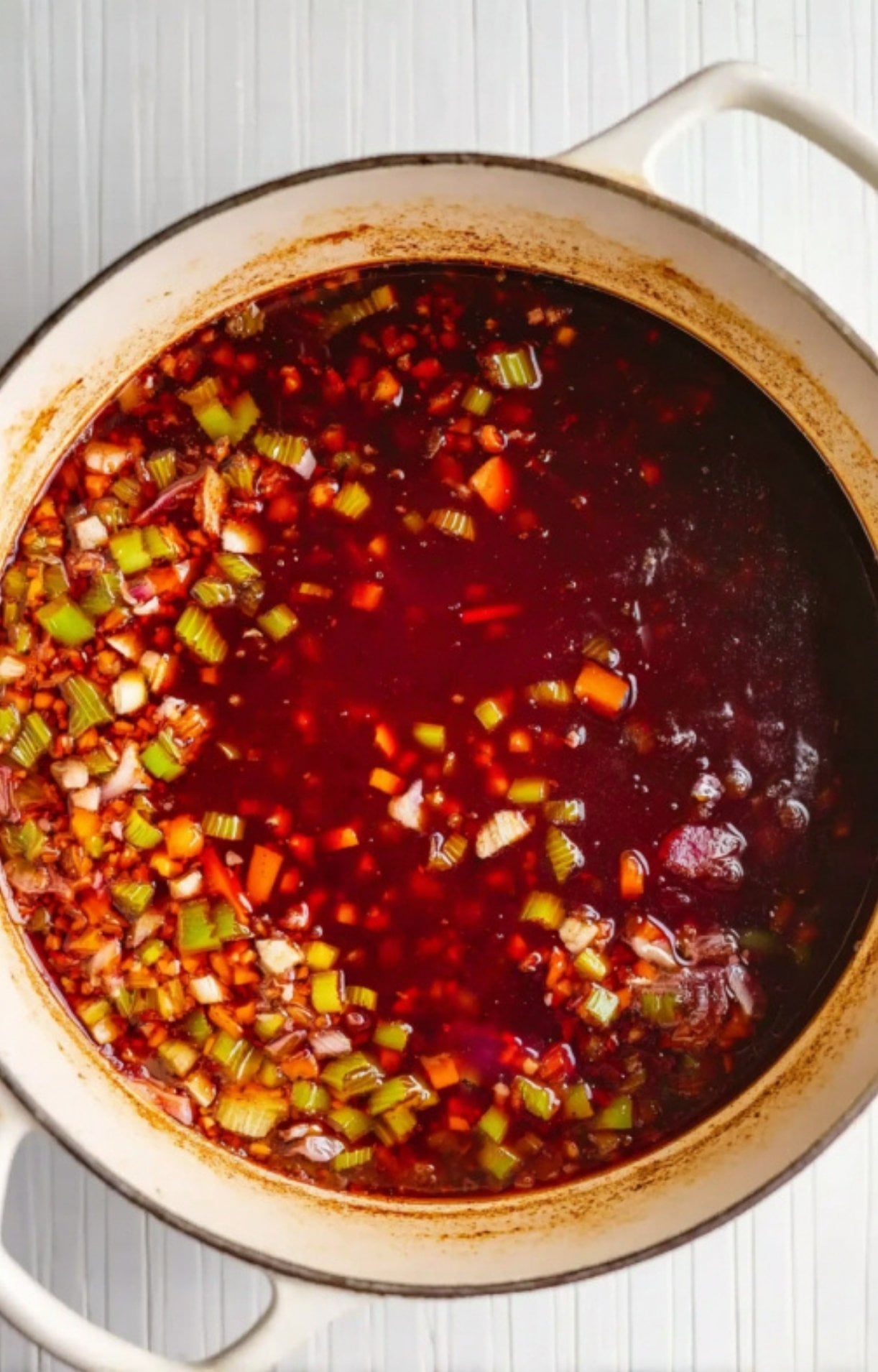
Step 5: Add Broth and Herbs
Blend in beef broth, balsamic vinegar, thyme, rosemary, and bay leaves.
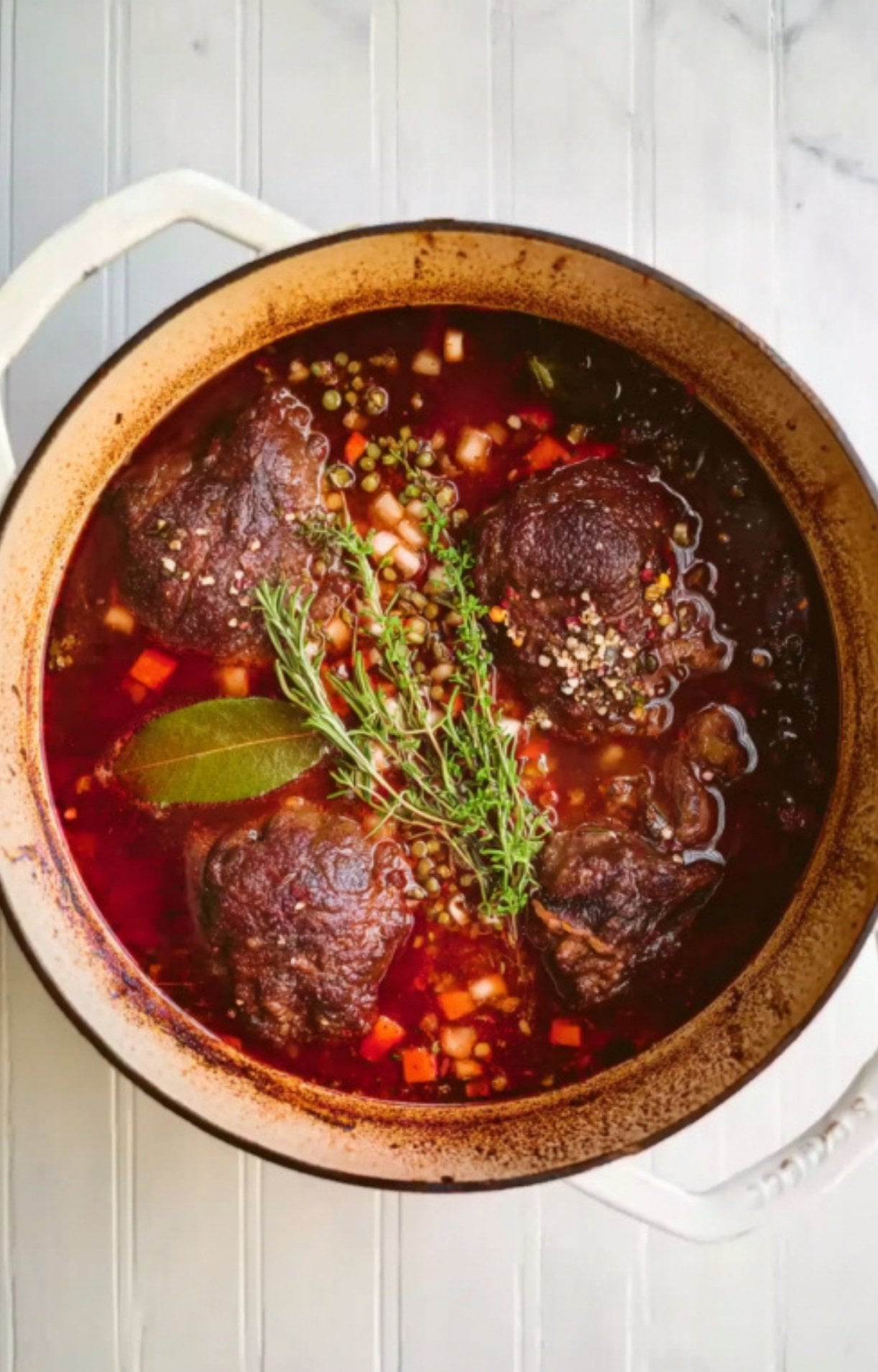
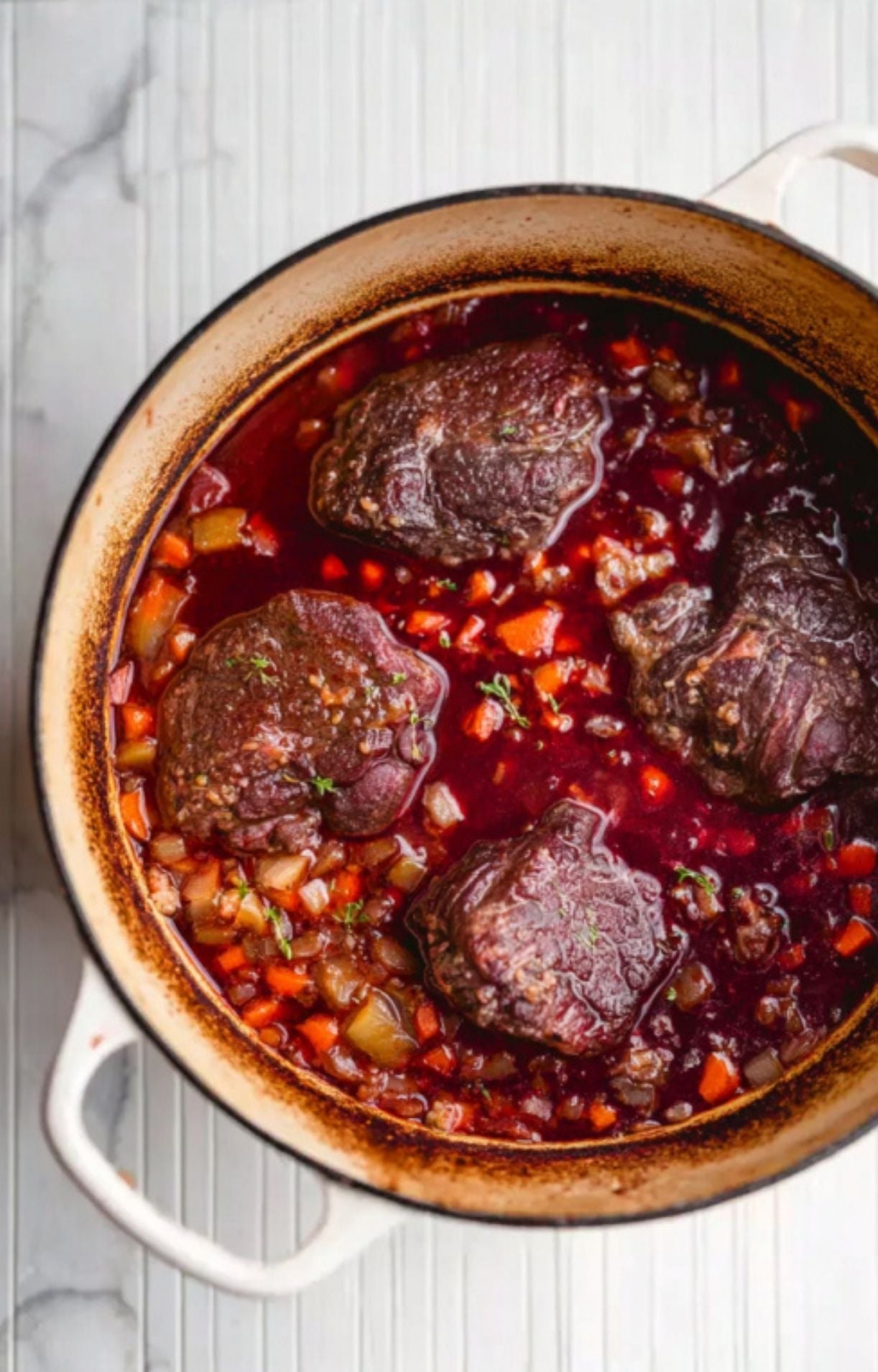
Step 6: Braise Low and Slow
Return the cheeks to the pot. Cover and simmer gently for 3.5 to 4 hours. You want the heat low enough that the liquid gently bubbles, not boils.
Slow cooker and oven variations work beautifully too and require almost no attention.
Step 7: Make the Sauce
When the cheeks are fork-tender, remove them and strain or blend the sauce. You can simmer it uncovered to reduce if necessary. Add a pat of butter at the end for shine.
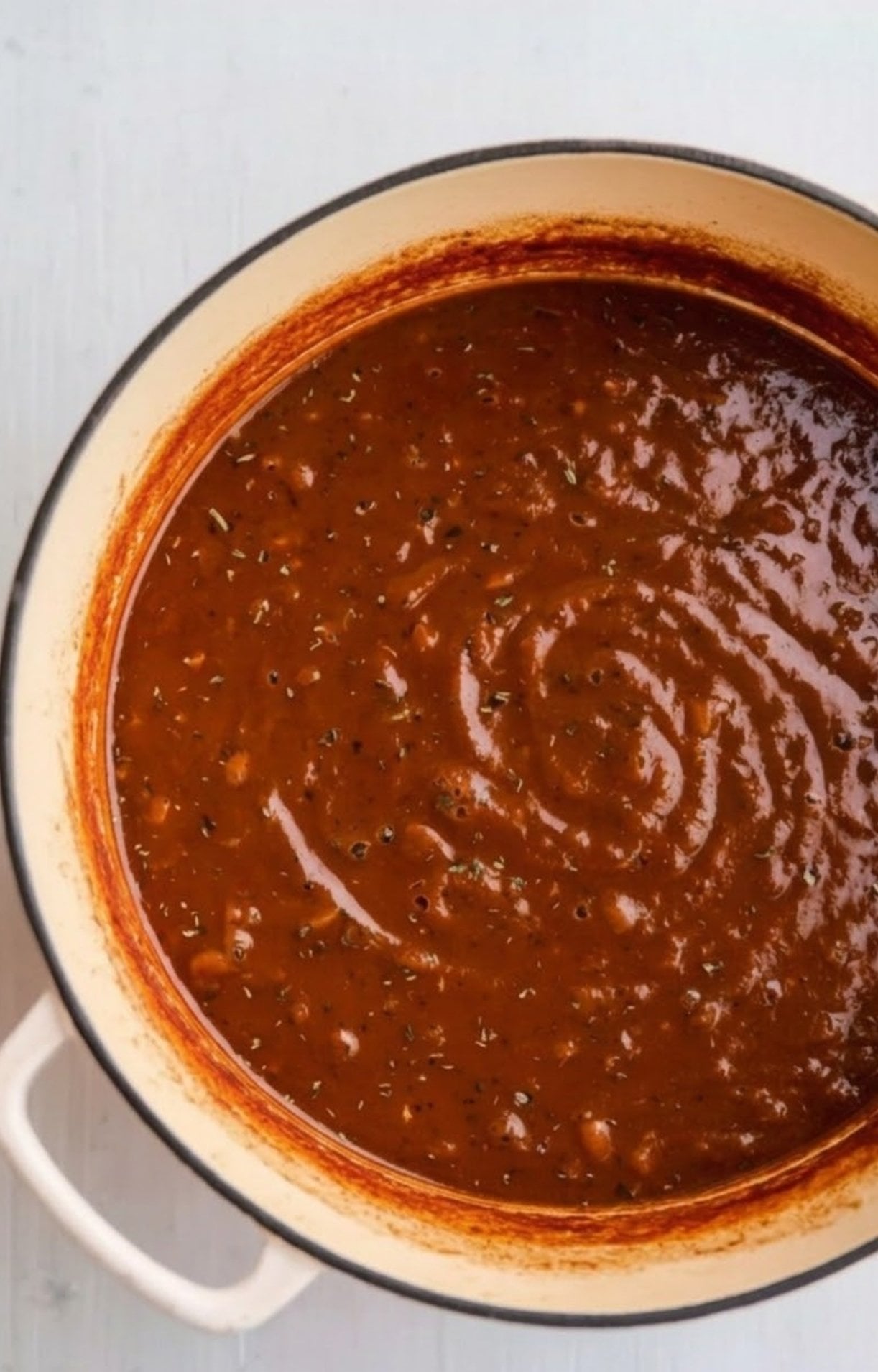
Step 8: Serve
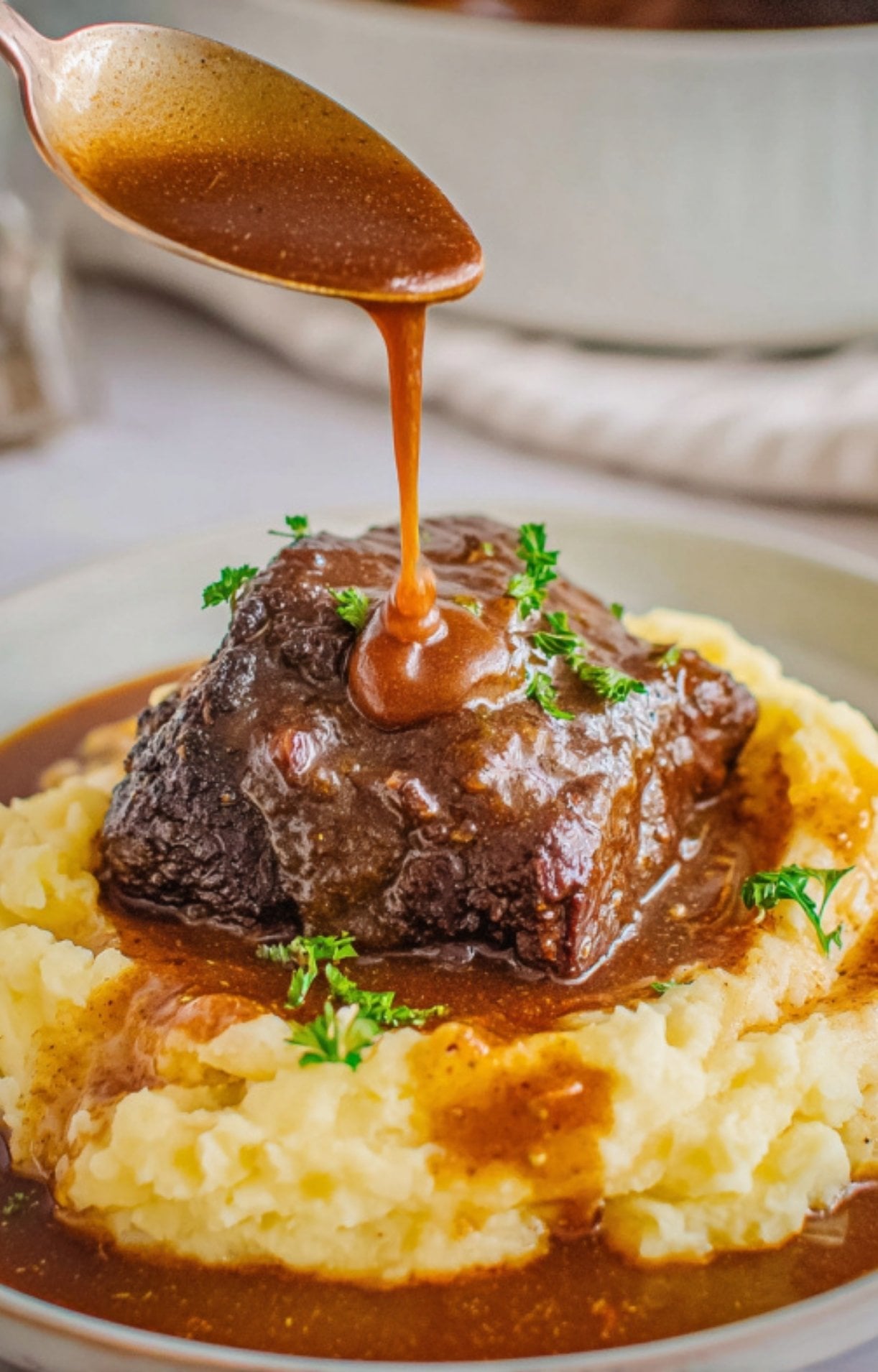
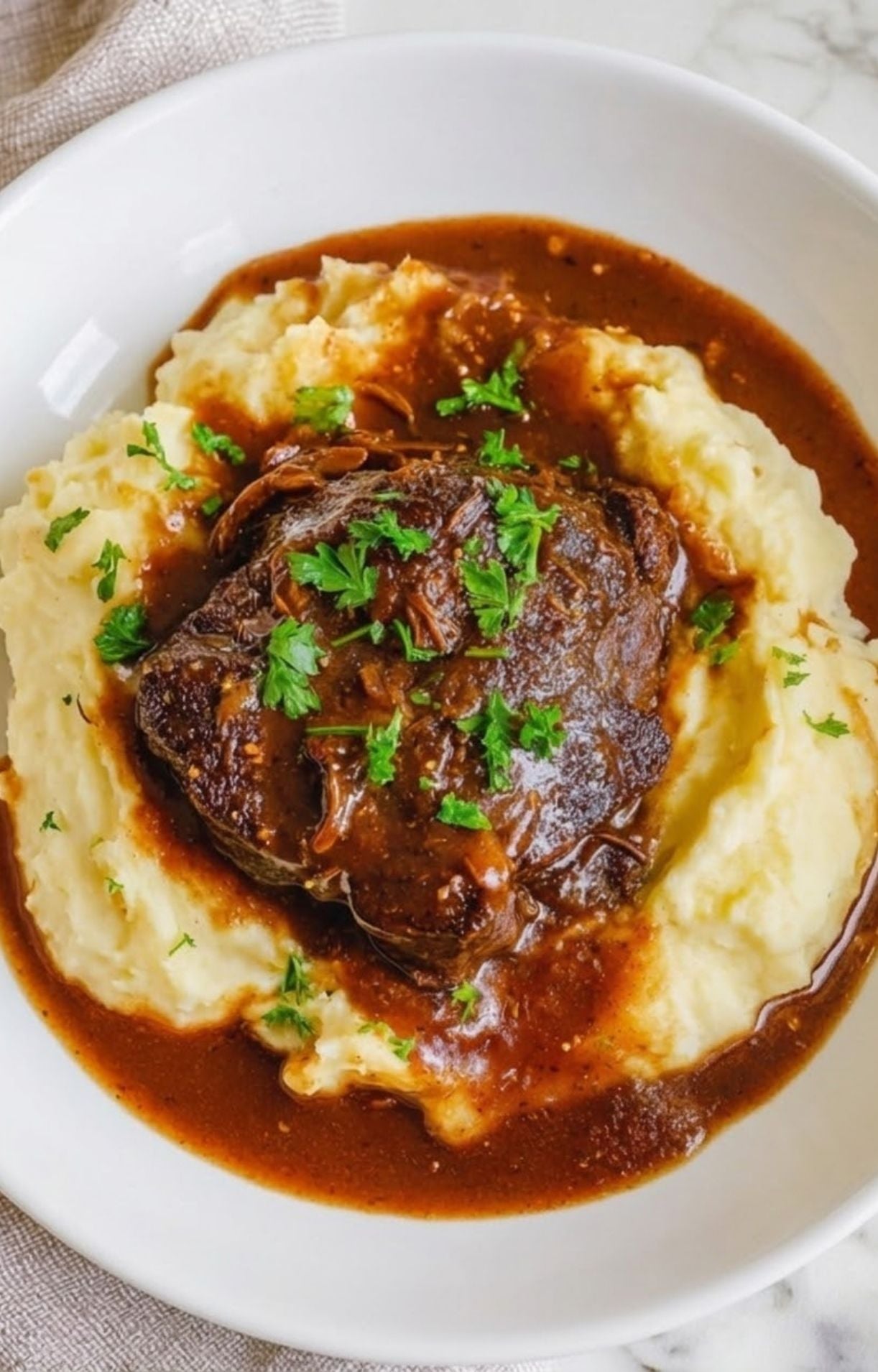
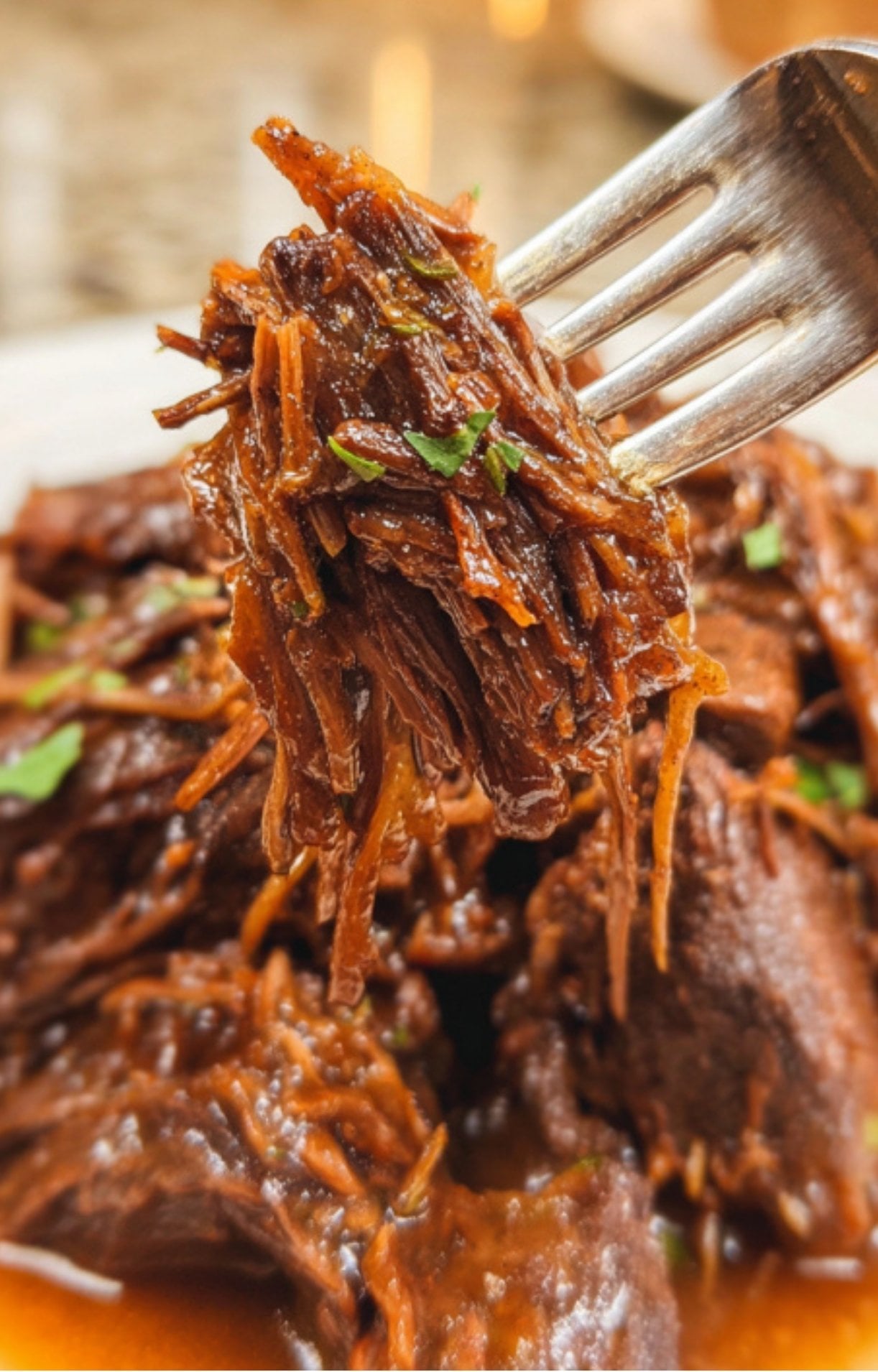
Serve the cheeks whole or gently pulled apart over mashed potatoes, polenta, risotto, buttered noodles, or crusty bread.
Serving Ideas
Braised beef cheeks pair nicely with almost any comfort-food side. Some of my favorites include:
- Creamy mashed potatoes
- Parmesan polenta
- Buttermilk mashed cauliflower
- Wild mushroom risotto
- Fresh egg noodles
- Roasted carrots and Brussels sprouts
- Thick slices of toasted sourdough
This dish also reheats beautifully, making it perfect for meal prep or dinner parties where you want to cook ahead.
Variations
Add Mushrooms
Stir in mushrooms during the braise to add earthiness.
Add Heat
Crushed red pepper flakes or Calabrian chili paste add warmth without overpowering.
Add Smokiness
A dash of smoked paprika deepens the overall flavor.
No-Wine Version
Replace the wine with extra broth plus one tablespoon of red wine vinegar for acidity.
Make-Ahead Tips
- Braised beef cheeks taste even better the next day. Store in an airtight container for up to four days. Reheat on low heat on the stovetop.
- To freeze, cool fully, then store with its sauce for up to three months.
FAQ
Absolutely. They become wonderfully tender after 8 hours on low.
A fork should slide in easily, and the meat should begin to fall apart.
Yes. Replace the wine with broth and add a splash of vinegar.
They simply need more time. Cheeks must cook long enough for the connective tissue to break down fully.

Braised Beef Cheeks
- Total Time: 4 hours 20 minutes
- Yield: 4 servings 1x
Description
Tender, fall-apart braised beef cheeks slow cooked in red wine, beef broth, herbs, and aromatic vegetables. This cozy comfort dinner delivers deep savory flavor and a silky sauce perfect over mashed potatoes, polenta, risotto, or noodles.
Ingredients
- 2 beef cheeks, trimmed (about 12 ounces each)
- Sea salt and black pepper
- 2 tablespoons olive oil
- 1 onion, finely chopped
- 2 carrots, diced
- 2 celery stalks, diced
- 2 tablespoons tomato paste
- 3 garlic cloves, minced
- 2 cups red wine
- 2 cups beef broth
- 1 teaspoon dried thyme
- 1 teaspoon dried rosemary
- 2 tablespoons balsamic vinegar
- 2 bay leaves
- 1 tablespoon unsalted butter (optional, for finishing)
Instructions
- Trim the silver skin from the beef cheeks and season generously with salt and pepper.
- Heat olive oil in a Dutch oven or heavy pot over medium-high heat. Sear the beef cheeks on all sides until browned, about 3 to 4 minutes per side. Transfer to a plate.
- Add onion, carrots, and celery to the pot and sauté until softened, about 5 minutes.
- Add garlic and tomato paste and cook for 1 minute.
- Pour in the red wine, scraping up browned bits, and simmer for 5 minutes.
- Add beef broth, balsamic vinegar, thyme, rosemary, and bay leaves.
- Return the beef cheeks to the pot, nestling into the liquid.
- Cover and simmer on low for 3.5 to 4 hours, or until fork-tender.
- Remove the beef cheeks and bay leaves. Strain the sauce or blend the vegetables for a smoother gravy.
- Stir in butter for a glossy finish and serve over mashed potatoes, polenta, risotto, or buttered noodles.
Notes
For oven method: bake covered at 320 F for 3.5 to 4 hours. For slow cooker: sear first, then cook on low for 8 hours. If sauce is thin, simmer uncovered to reduce before adding butter.
- Prep Time: 20 minutes
- Cook Time: 4 hours
- Category: Main Course
- Method: Braising
- Cuisine: American
Nutrition
- Serving Size: 1 portion
- Calories: 540
- Sugar: 4 g
- Sodium: 690 mg
- Fat: 30 g
- Saturated Fat: 11 g
- Unsaturated Fat: 16 g
- Trans Fat: 0 g
- Carbohydrates: 16 g
- Fiber: 3 g
- Protein: 46 g
- Cholesterol: 150 mg
Leave a Reply