
If you’ve ever wondered how soy sauce is made the old-fashioned way, this guide walks you through the authentic Korean process using only soybeans, salt, and water. It’s slow and intentional—months instead of days—but the result is a deeply savory, aromatic sauce you can’t replicate from a store bottle.
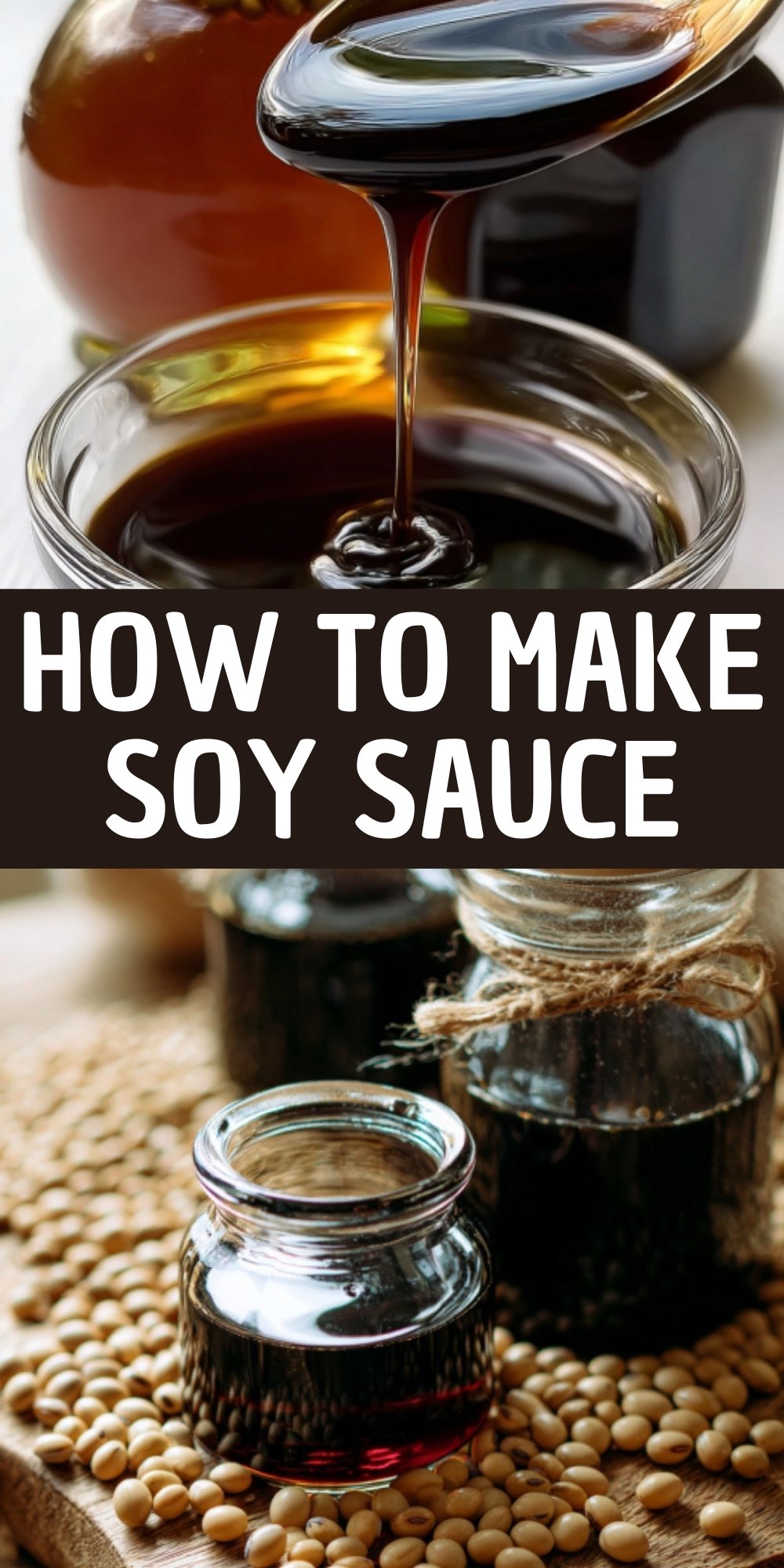
Elevate your everyday culinary toolkit with a multipurpose Japanese sauce recipe that pairs beautifully with almost anything. Whether you use it as a rich marinade for poultry, a glossy glaze for skewers, or a savory dipping companion for crispy dumplings, it adds a spectacular burst of flavor to any dish.
Why Make Your Own Soy Sauce?
You’re basically crafting one of the world’s most essential seasonings from scratch. You control every ingredient. The process is pure kitchen alchemy: just beans, salt, water, sun, and time become a powerful umami elixir.
If you are completely new to the kitchen, this foolproof recipe for soy sauce noodles is the absolute perfect place to start. With zero complicated techniques and a straightforward tossing method, you can confidently create a gorgeous, glossy dish on your very first try.
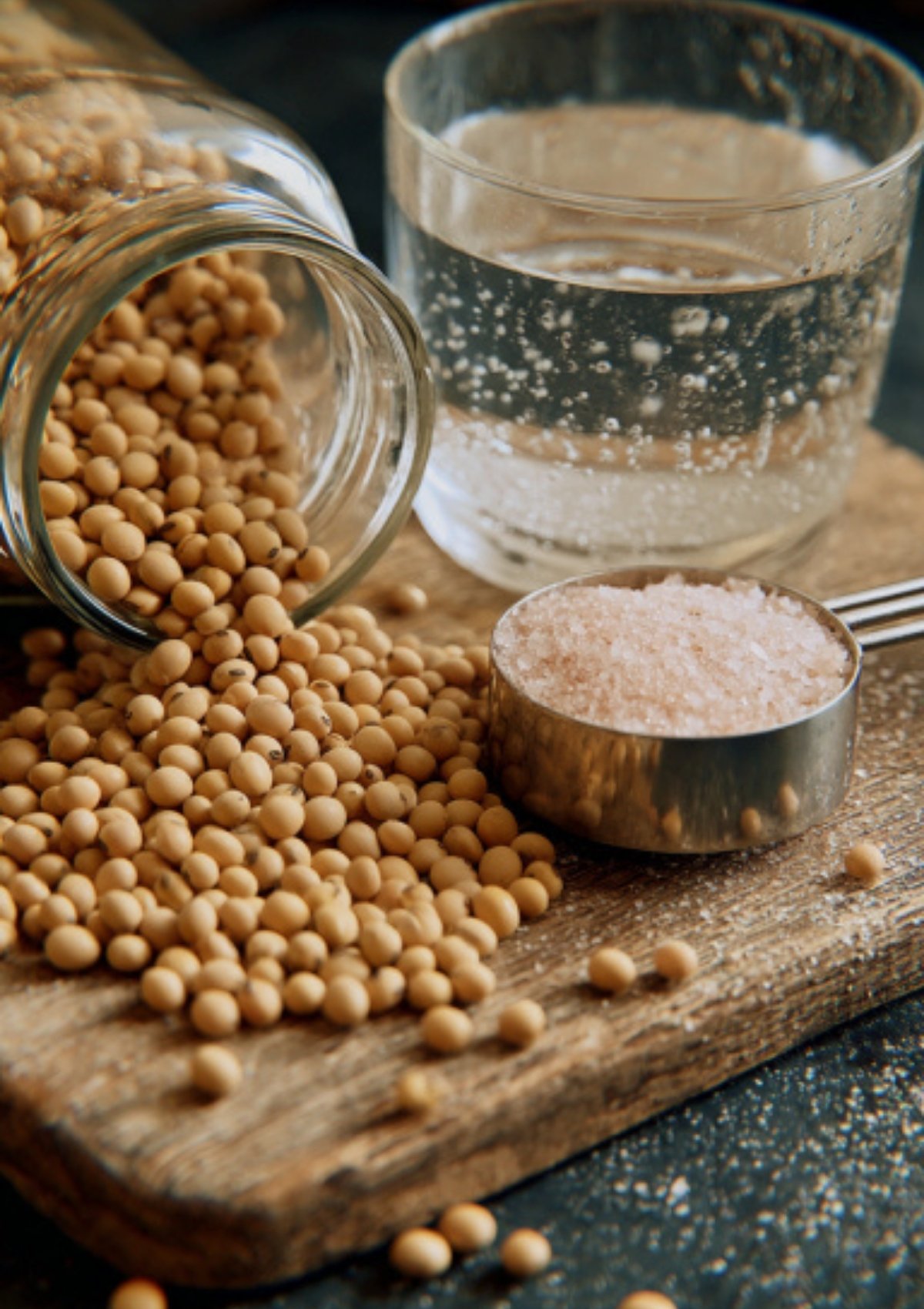
What You’ll Need
- Dried soybeans
- Good-quality salt
- Filtered or spring water
- Small pieces of charcoal
- Dried Korean chilies (optional)
- Dried jujubes (optional)
- Lukewarm filtered water (for brine)
- Extra water for soaking and cooking
- Large glass jars or earthenware crocks
- Cheesecloth and string
- A raw egg (for testing salinity)
- Time, patience, and commitment
For precise amounts, check the recipe card at the end of the post.
Take full control of what goes into your food and skip the artificial preservatives by whipping up a fresh batch of this homemade soy sauce recipe. It’s a cleaner, highly customizable way to bring authentic, rich depth to all of your favorite Asian-inspired dishes.
Step-By-Step Instructions
1. Soak and Cook the Soybeans
- Pick over, wash, and soak soybeans overnight in filtered water.
- Drain, rinse, and cover again with fresh water.
- Boil, then simmer until beans are very soft (can take hours). Add more water as needed.
- Strain and cool beans.
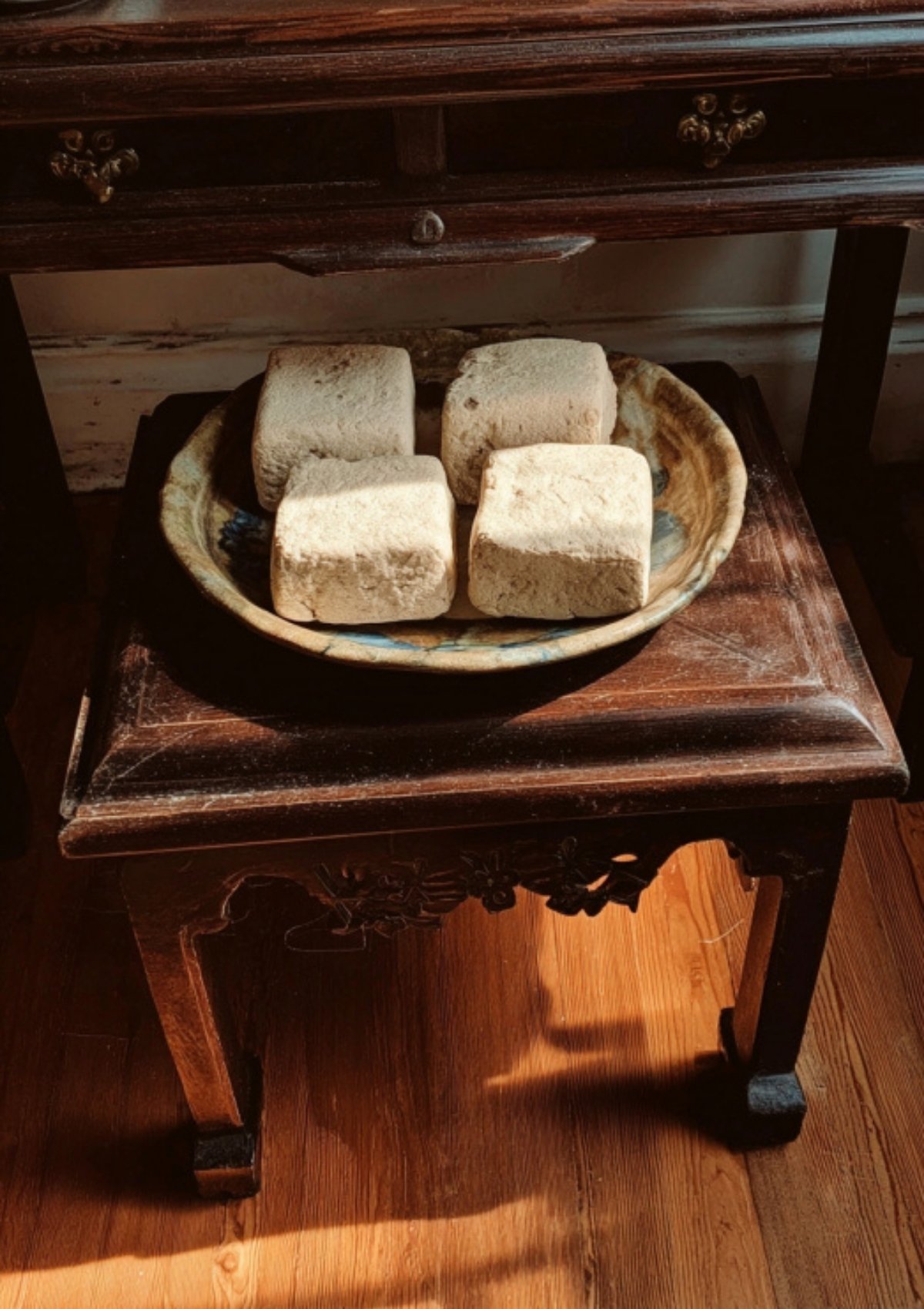
2. Form and Dry the Bean Blocks
- Mash cooled beans with a mortar & pestle or food processor.
- Divide into 4 portions, shape into blocks, and lay them on a parchment-lined tray.
- Dry near a heater for several days, flipping as needed. Fungi/mold are normal—they help fermentation!
Get a healthy, flavor-packed dinner on the table in less than 15 minutes with this foolproof soy sauce fish. Perfect for busy weeknights, this quick recipe gently infuses tender fillets with a savory, aromatic glaze for an effortless meal with next to no cleanup.
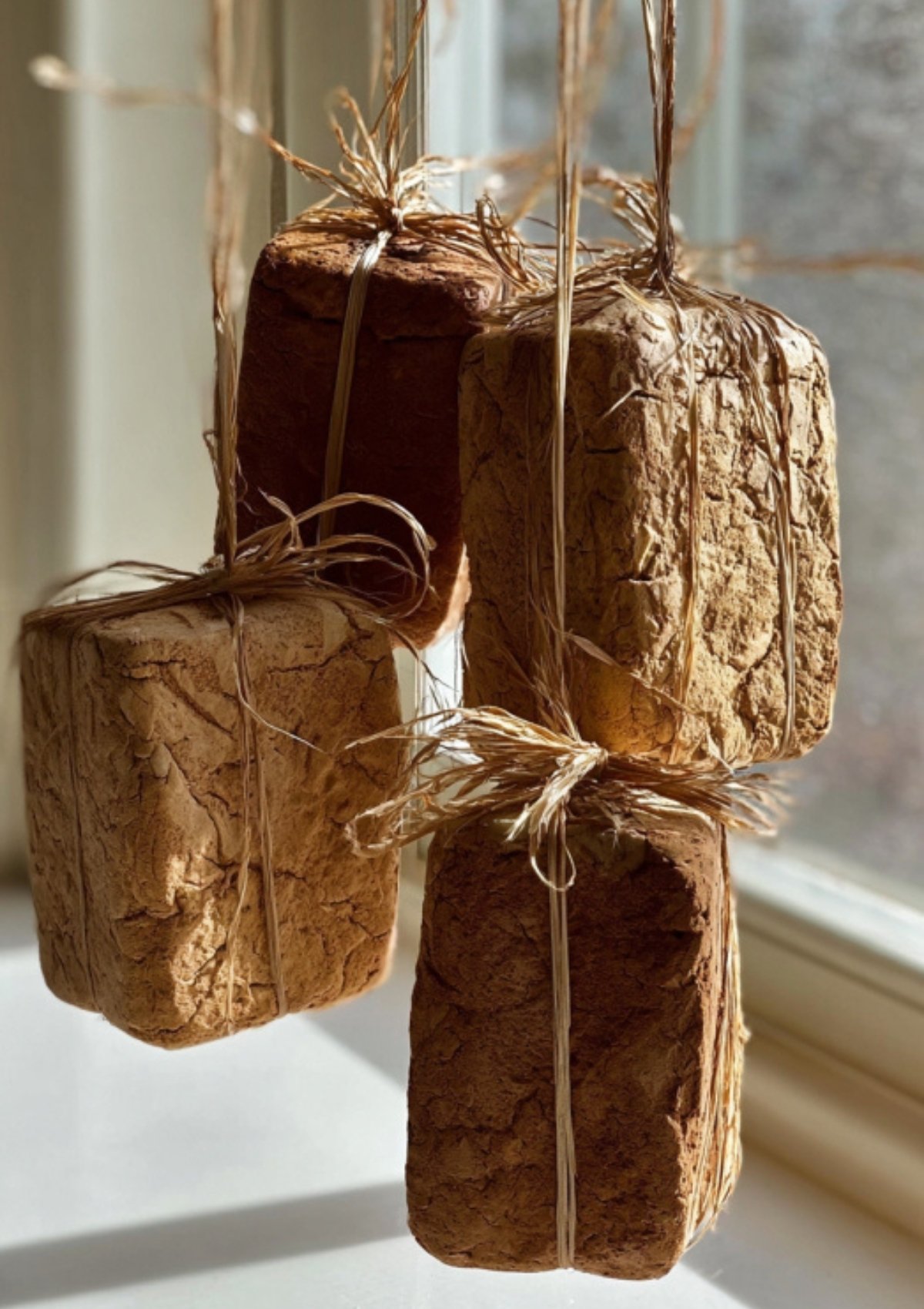
3. Hang and Cure the Blocks
- Tie string around the blocks and hang them (in a well-ventilated place) for several weeks, until hard and covered with white/gray fungi.
- Gently rinse off fungi under running water, then let blocks dry near a heater again.
4. Ferment in Brine
- Dissolve salt in 16 cups lukewarm filtered water. Test salinity: drop in a raw egg; if it floats, the brine is ready.
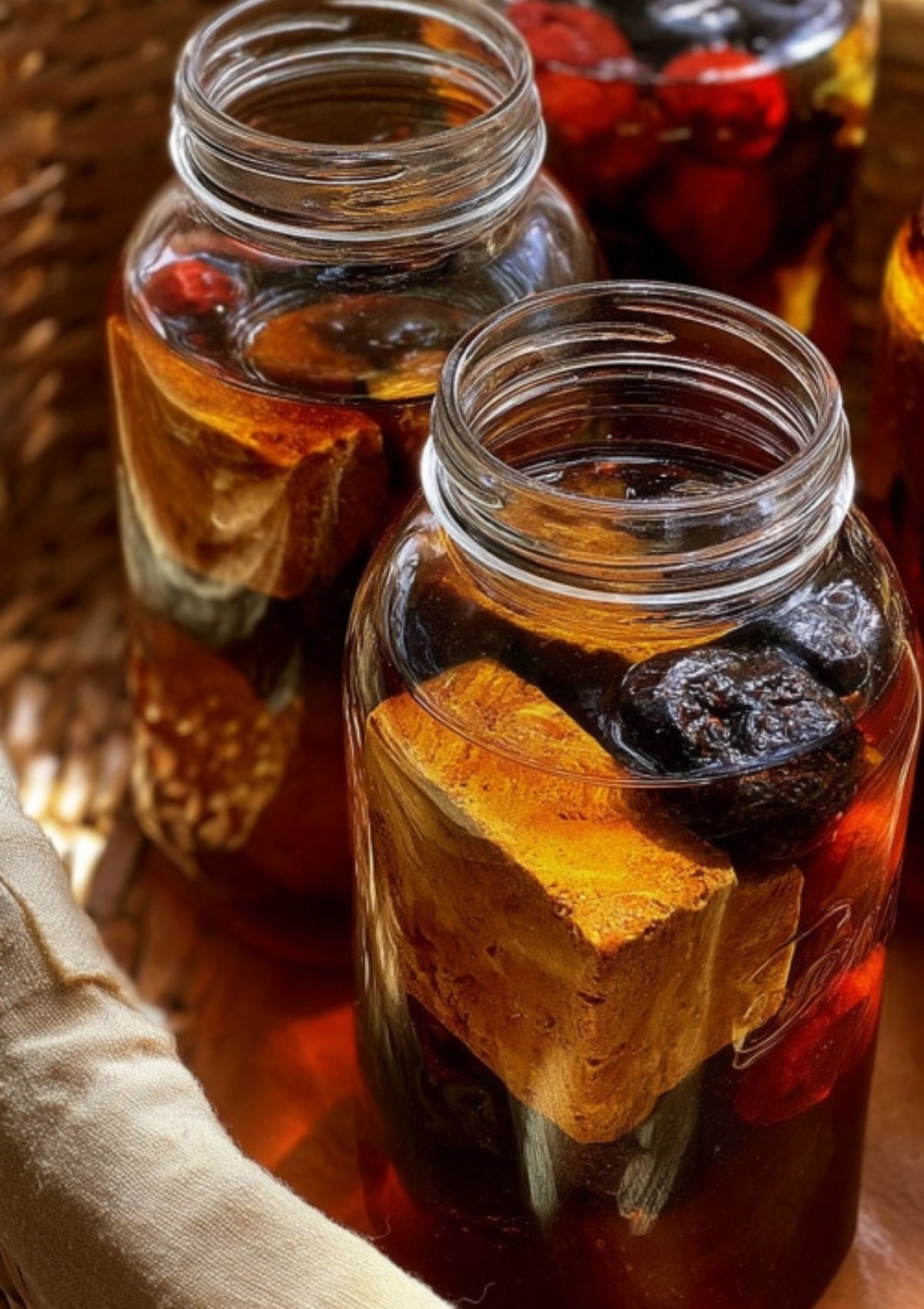
- Place 2 bean blocks in each glass jar. Add a few pieces of charcoal, dried chilies, and jujubes.
- Pour in brine. Cover jars with cheesecloth.
- Set jars somewhere sunny, letting them ferment for 5+ months. Occasionally let them soak up sunshine uncovered.
5. Strain and Age
- After 5–6 months, remove the blocks. Discard charcoal, chilies, jujubes, and excess fungi.
- Strain the sauce and bring to a boil on the stove. Let cool.
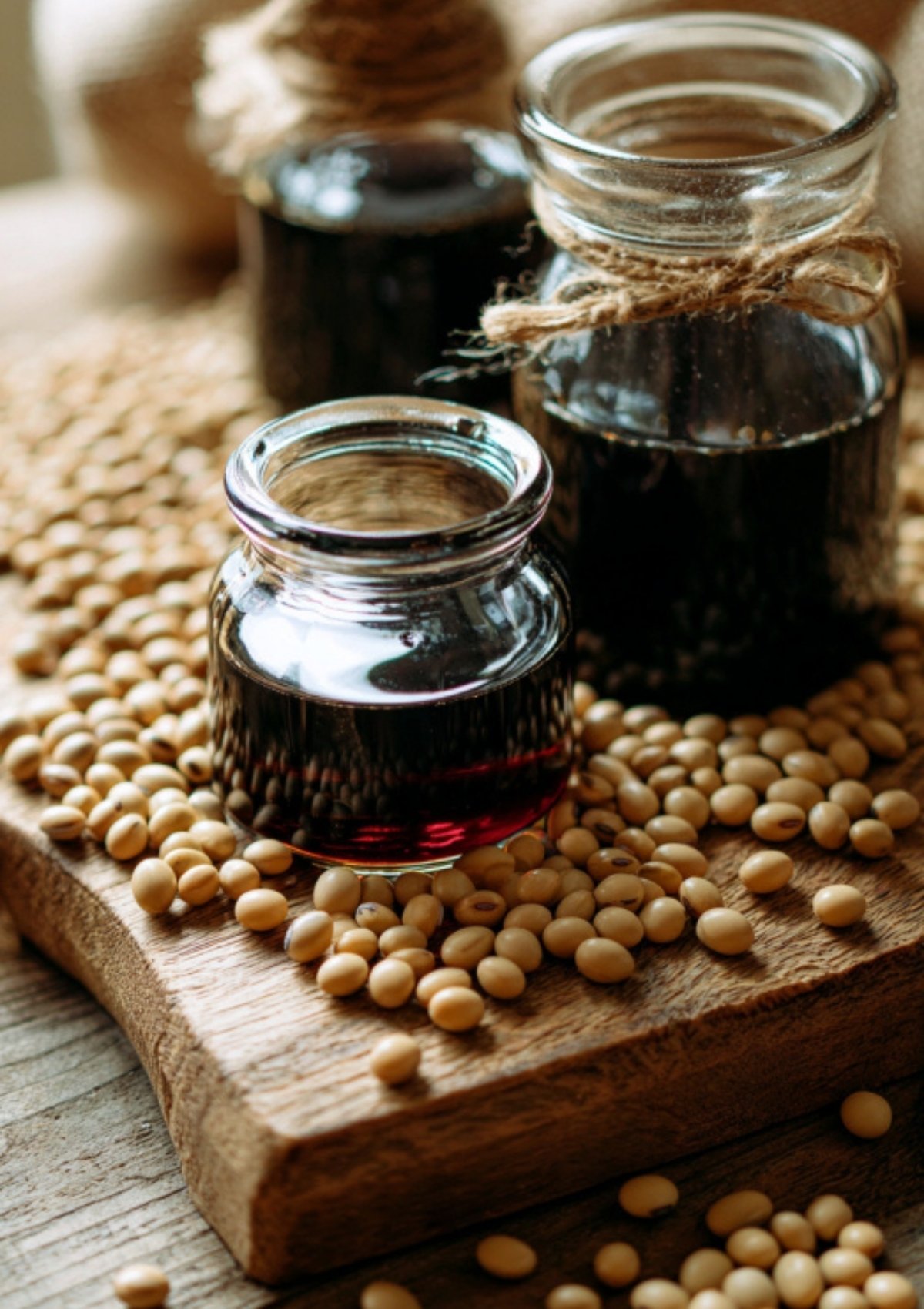
- Transfer to smaller glass jars and age in a cool pantry for at least a few more months for best flavor.
6. Enjoy!
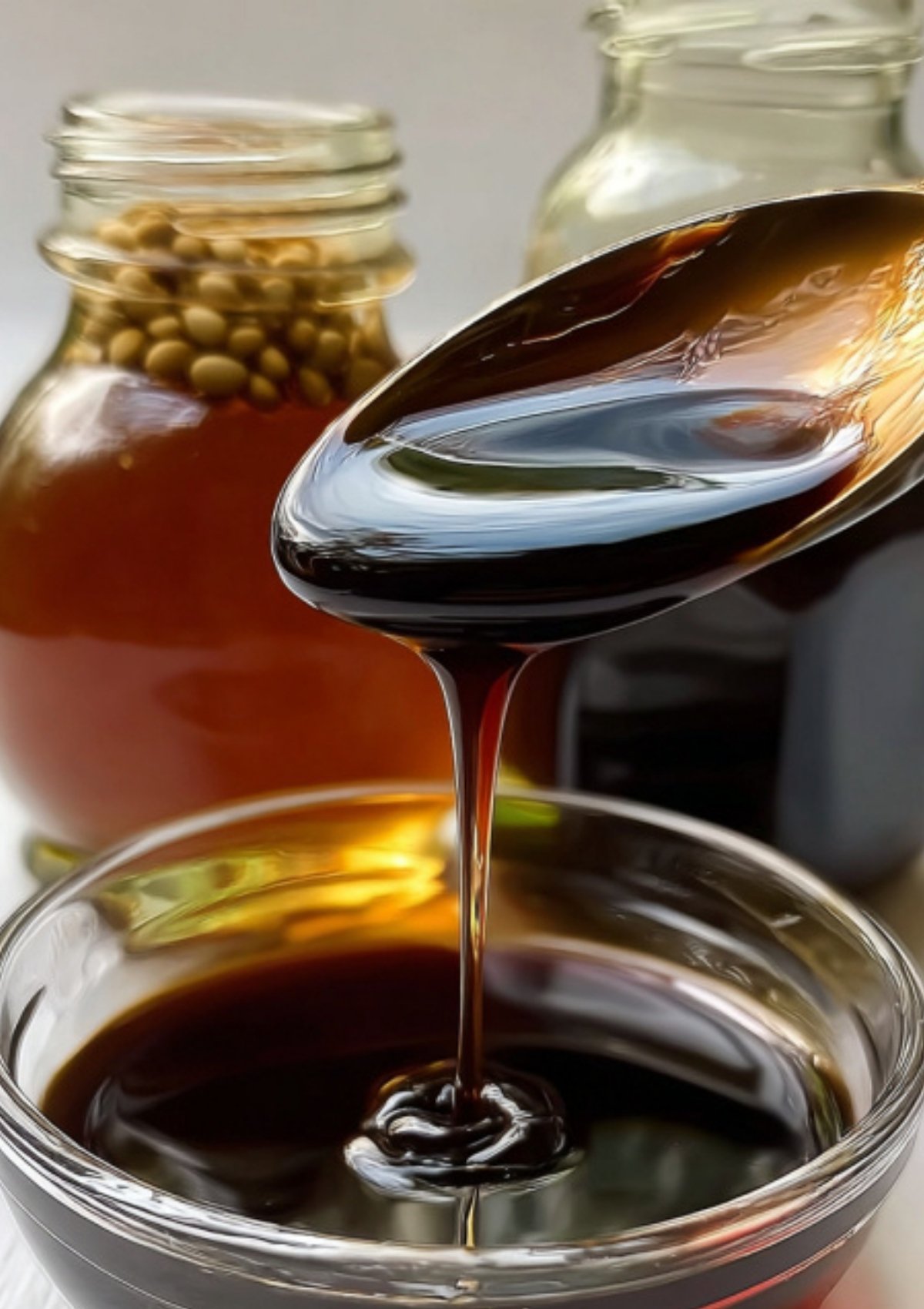
- Once your soy sauce has darkened and the flavor is deep, it’s ready to use.
- Pour into small bottles for daily use. Use as a dipping sauce, seasoning, or marinade—this stuff is gold!
Bring an explosion of bold flavor to your kitchen with this vibrant Korean sauce recipe. Striking the perfect balance between spicy chili paste, savory garlic, and a hint of sweetness, it instantly transforms any basic dish into a mouthwatering, restaurant-quality meal.

How To Make Soy Sauce
This traditional Korean method for homemade soy sauce uses just soybeans, salt, water, and time to produce a deeply savory, naturally fermented sauce. It’s a slow, rewarding process that yields an umami-packed condiment like no other.
Ingredients
- 6 cups dried soybeans
- 4 cups good salt (Himalayan or sea salt)
- Filtered or spring water
- A few pieces of charcoal
- Optional: dried Korean chilies, dried jujubes
- 1 raw egg (for salinity testing)
Instructions
- Soak and cook soybeans until very soft, then mash and form into blocks.
- Dry the blocks near a heater for several days, flipping occasionally.
- Hang blocks in a well-ventilated place for several weeks until covered in mold.
- Rinse fungi off and dry again briefly.
- Dissolve salt in 16 cups lukewarm filtered water. Drop in raw egg—it should float. If not, add more salt.
- Place 2 blocks in each jar with optional charcoal, chilies, and jujubes. Pour in brine and cover with cheesecloth.
- Ferment jars in sunny spot for 5–6 months. Occasionally remove cloth and let jars soak up sun.
- Strain, boil, cool, and transfer to jars. Age at least 2 more months for best flavor.
- Use in recipes or as a condiment—homemade soy sauce is rich, deep, and incredibly rewarding!
Notes
Use good-quality salt and water. Fermentation time varies with climate but longer aging = better flavor. Charcoal and jujubes are traditional flavor enhancers but optional. Don’t be alarmed by mold—it’s part of the process.
Nutrition Information
Serving Size 1 tablespoonAmount Per Serving Calories 10Total Fat 0gSaturated Fat 0gTrans Fat 0gUnsaturated Fat 0gCholesterol 0mgSodium 920mgCarbohydrates 1gFiber 0gSugar 0gProtein 1g
Tips & Troubleshooting
- Salt is essential: Don’t reduce the salt below the “egg floats” threshold—salt is what keeps bad bacteria away.
- Fermentation takes time: Let nature do the work. Soy sauce gets better the longer it ages.
- Don’t worry about the fungi: It’s a natural part of the process and safe for this traditional method.
Stop overpaying for boutique, preservative-laden condiments at the grocery store and master this affordable homemade sesame sauce recipe instead. Made for a fraction of the cost using standard kitchen staples, it delivers a much fresher, bolder nutty flavor while letting you completely control the ingredients.
FAQ
Charcoal purifies the brine; jujubes add mild sweetness and depth.
Yes, but the finished sauce has a rich, balanced flavor. If you need lower-salt, dilute finished soy sauce with broth when using.
Yes! They’re traditional, but the essential process works without them.

Leave a Reply