
Hey, I’m Chloe! And if you love those rich, slow-cooked dishes that feel both rustic and a little special, these Spanish beef cheeks are about to win you over.
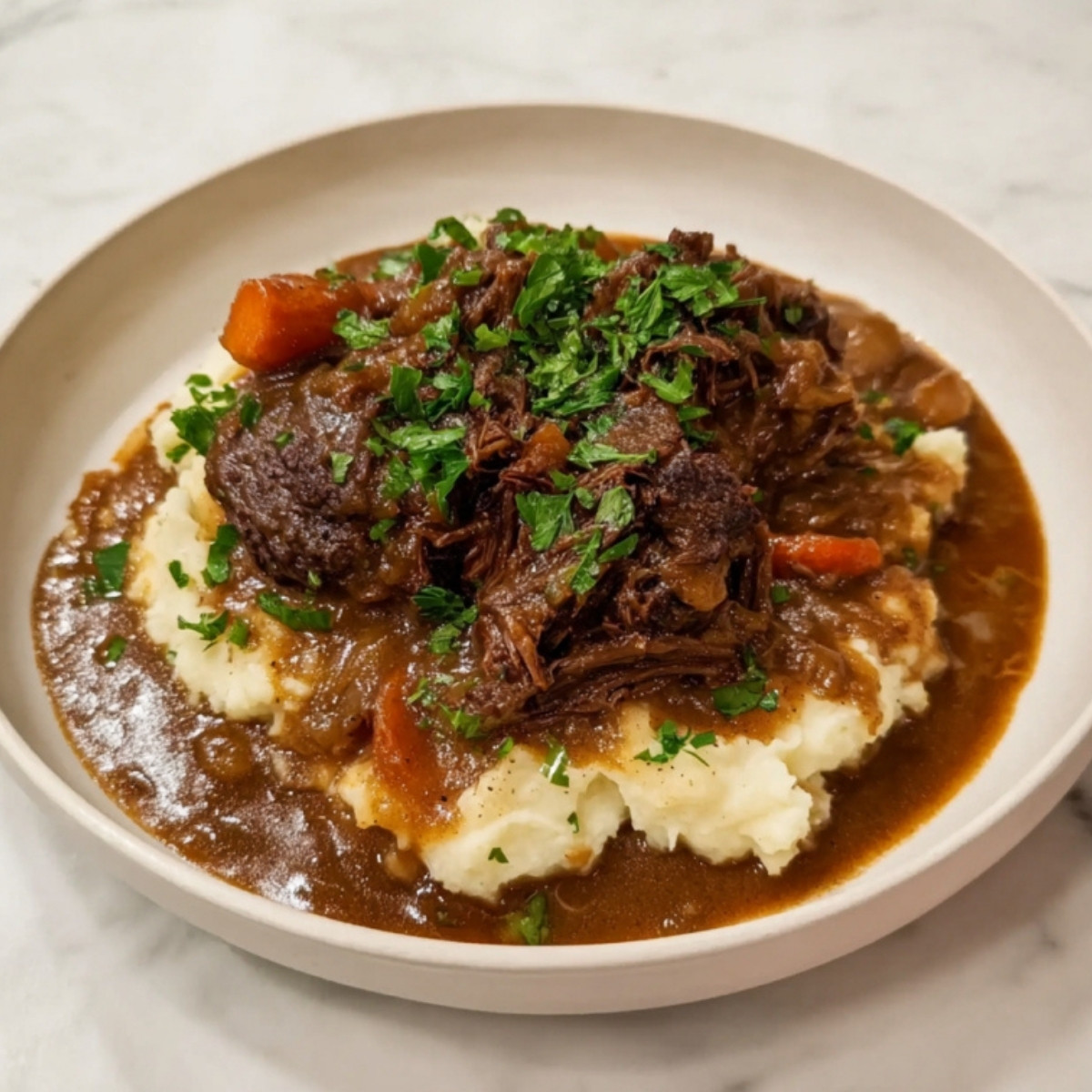
At Meat & Melt, we’re all about hearty comfort food that brings people together. And this recipe does exactly that. Tender beef cheeks gently braised in Spanish red wine, sweet vegetables, smoked paprika, and a touch of orange zest. The result is meltingly soft meat in a deep, glossy sauce that practically begs for creamy mashed potatoes or crusty bread.
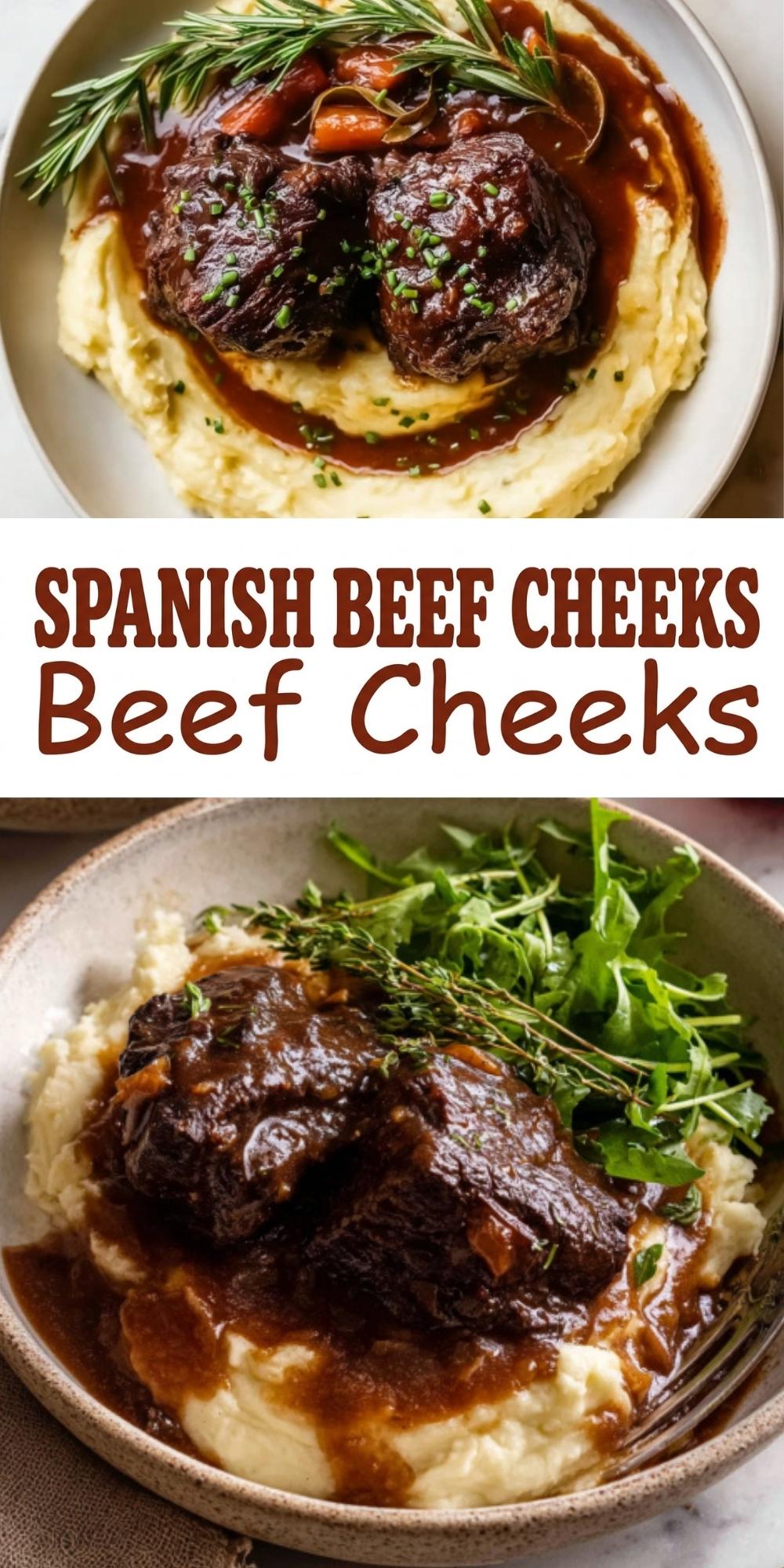
It feels restaurant-worthy. It tastes luxurious. But the technique? Surprisingly simple. Low heat, patience, and letting the pot do the work.
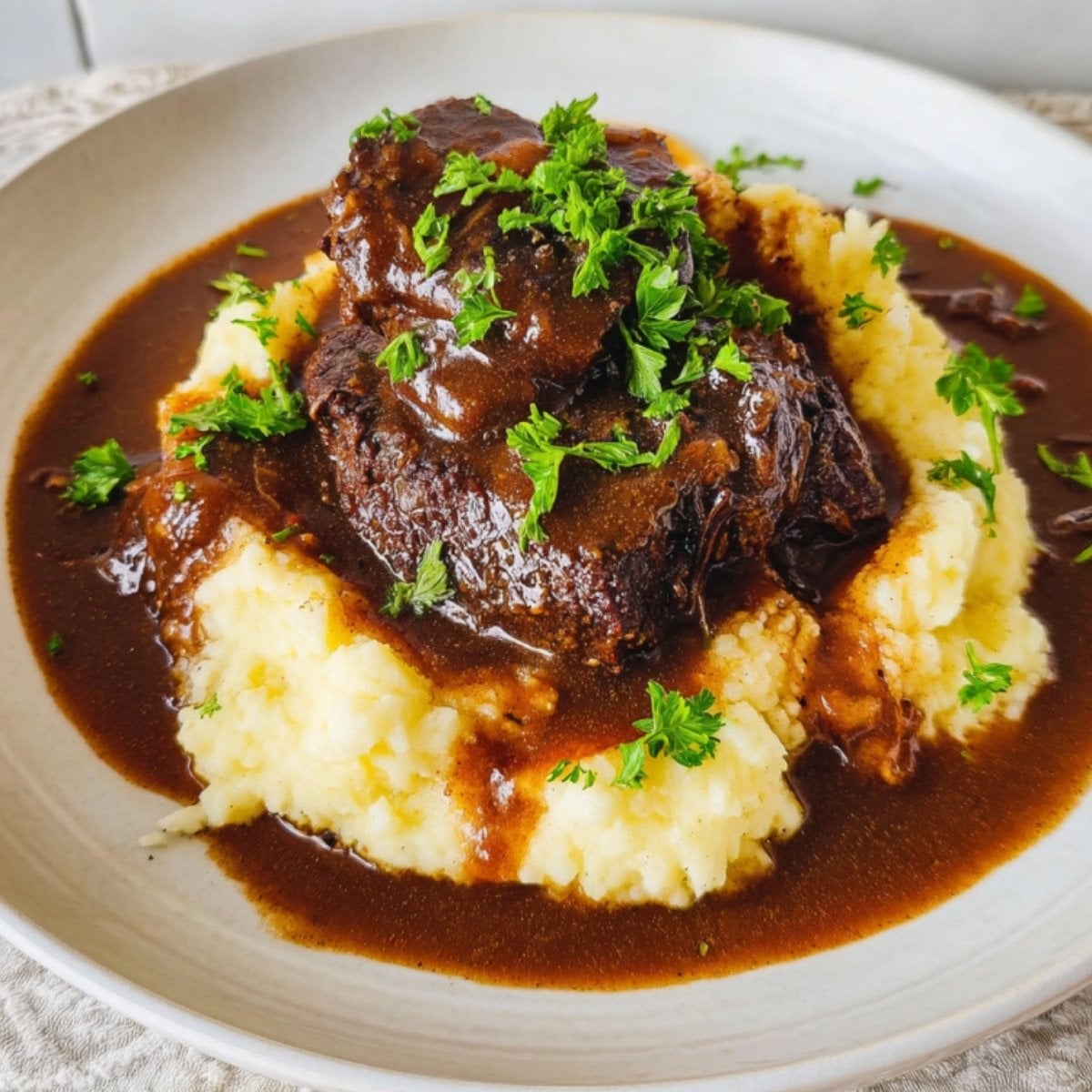
If you’ve never cooked beef cheeks before, this is the perfect place to start.
Why Spanish Beef Cheeks Are So Special
Beef cheeks come from the hardworking cheek muscle of the cow. That means they are naturally tough at first, full of connective tissue. But once you cook them low and slow, something magical happens.
The collagen melts into gelatin, creating:
- Buttery-soft texture
- Deep, savory richness
- A naturally thickened sauce
- That glossy, spoon-coating finish
Spanish cooking embraces this kind of transformation. Dishes like carrilleras de ternera are rooted in rustic tradition but feel incredibly refined on the plate.
This is slow food at its best.
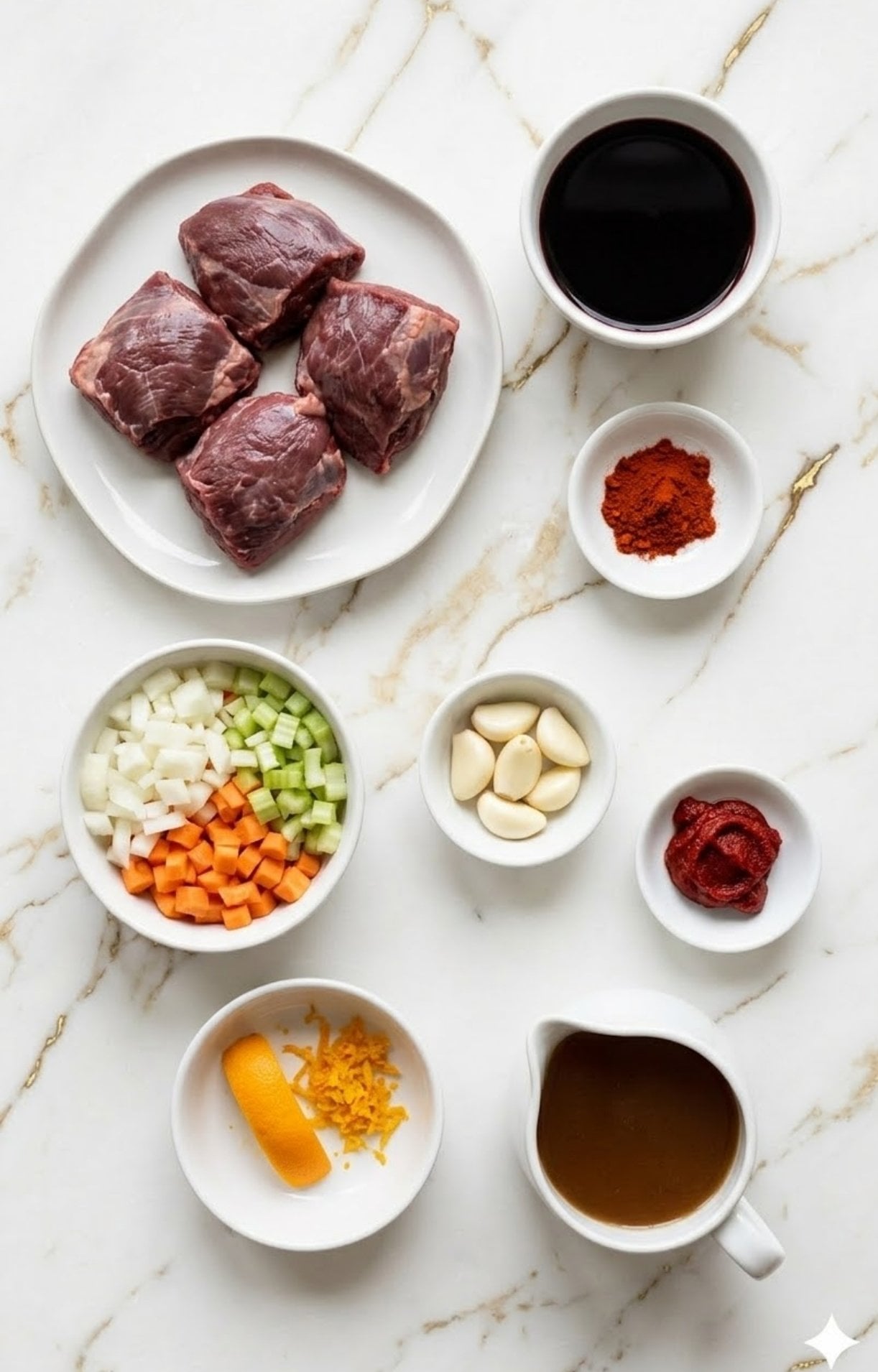
Ingredients Breakdown
Beef Cheeks
Ask your butcher to trim excess sinew. You want about four cheeks for four servings.
Spanish Red Wine
Tempranillo, Garnacha, or Rioja are ideal. If you cannot find Spanish wine, choose a good dry red you enjoy drinking.
Smoked Paprika
This adds warmth and that subtle smoky depth. Use sweet smoked paprika rather than hot.
Sofrito Vegetables
Onion, carrot, and celery soften into the sauce and provide natural sweetness.
Garlic
Essential for building depth from the start.
Tomato Paste
Adds body and intensifies the richness of the braising liquid.
Orange Zest
Brightens and balances the richness beautifully.
Beef Stock
Combines with wine to create that deep, glossy sauce.
For precise amounts, check the recipe card at the end of the post.
Step-by-Step: How to Make Spanish Beef Cheeks
Before starting, choose a heavy Dutch oven or sturdy pot with a lid.
1. Season the Beef
Pat the beef cheeks dry. Season generously with salt and freshly ground black pepper.
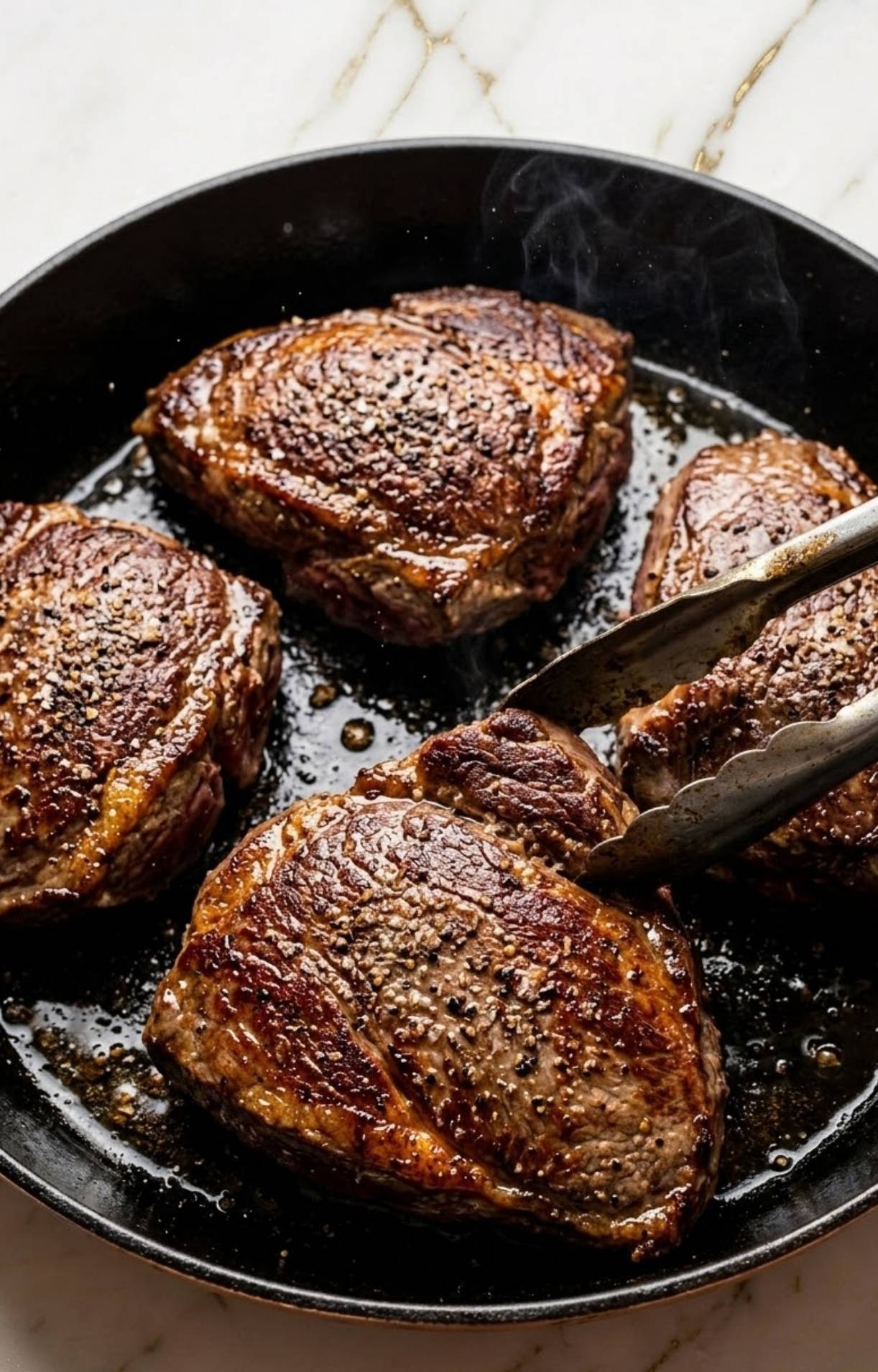
2. Brown the Cheeks
Heat olive oil over medium-high heat. Brown the cheeks on all sides until deeply golden. Remove and set aside.
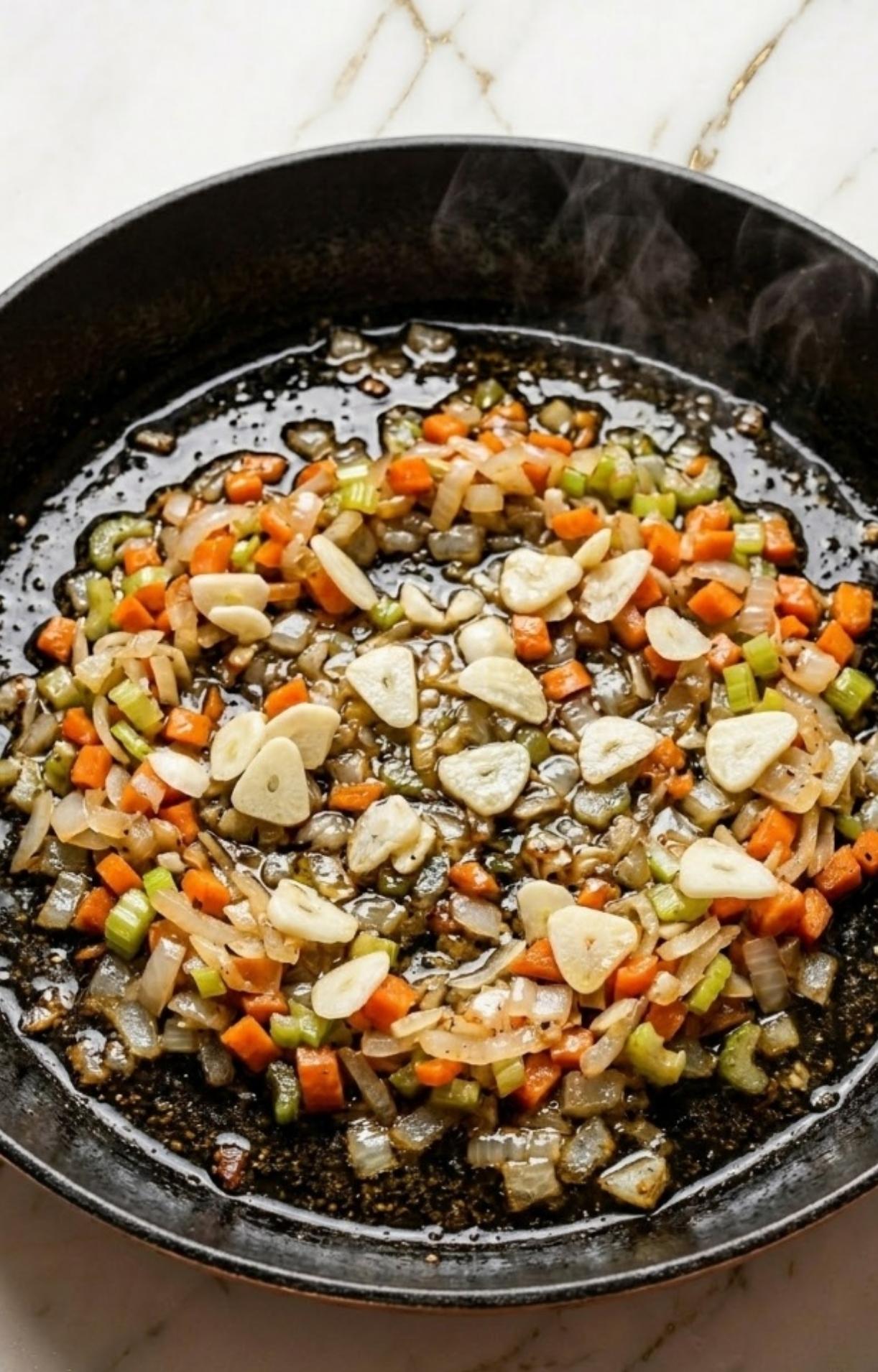
3. Build the Sofrito
In the same pot, cook onion, carrot, and celery for about 8 minutes until softened. Add sliced garlic and cook briefly.
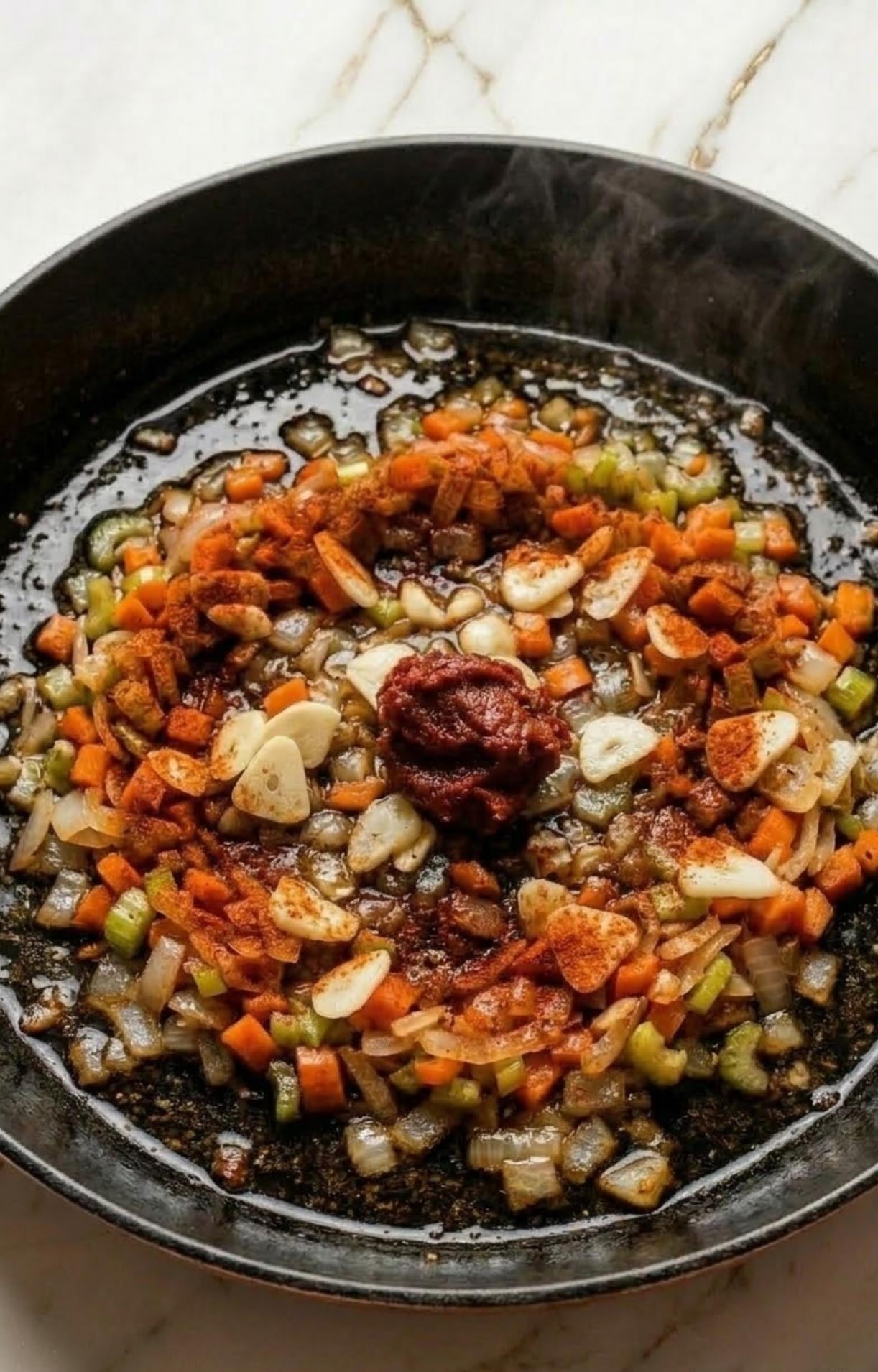
4. Toast the Tomato Paste & Paprika
Stir in tomato paste and smoked paprika. Cook for 1 to 2 minutes to deepen flavor.
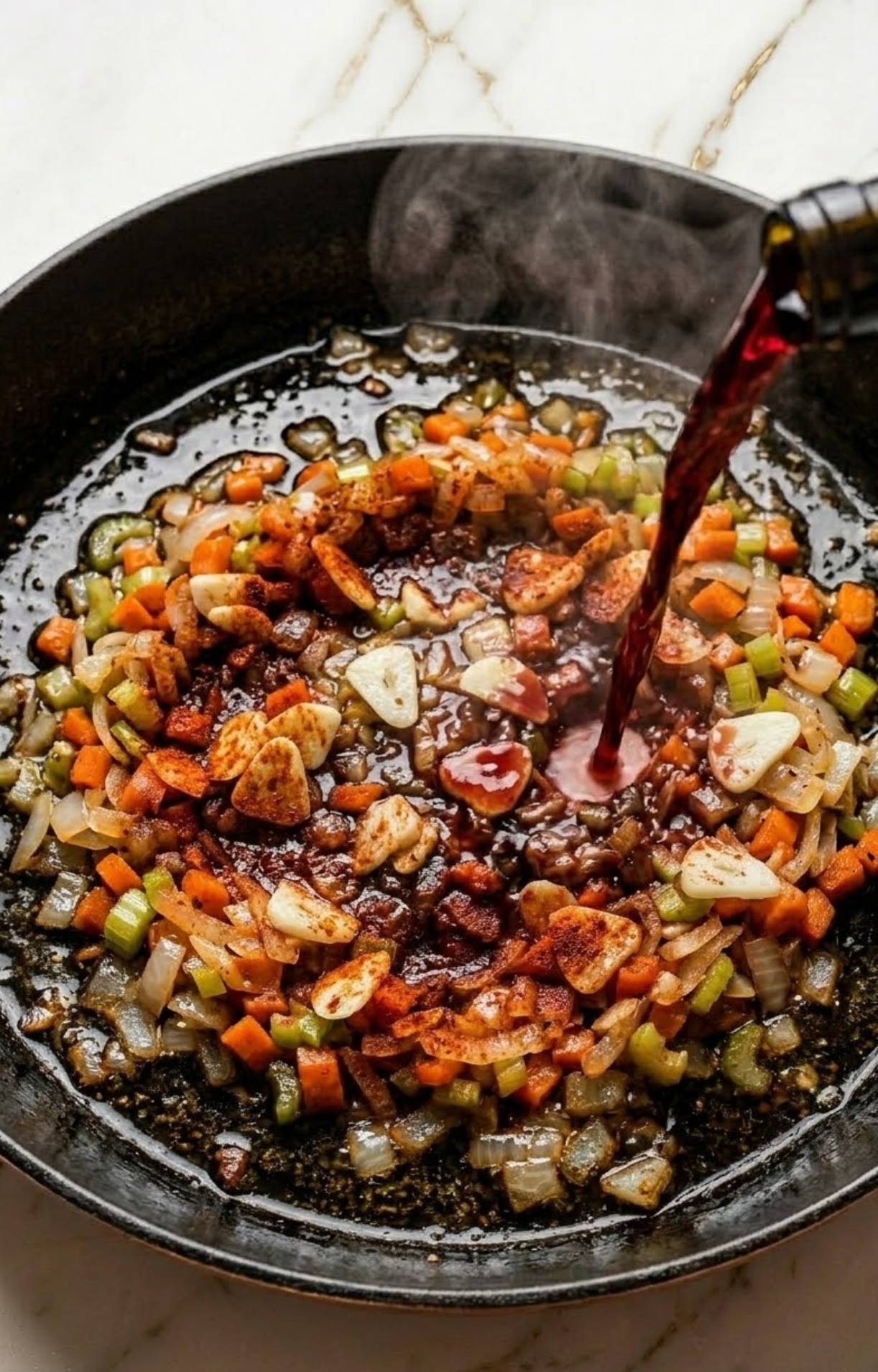
5. Deglaze with Wine
Pour in the Spanish red wine. Scrape the bottom of the pot to release browned bits. Let it simmer for about 5 minutes to reduce slightly.
6. Add Herbs & Stock
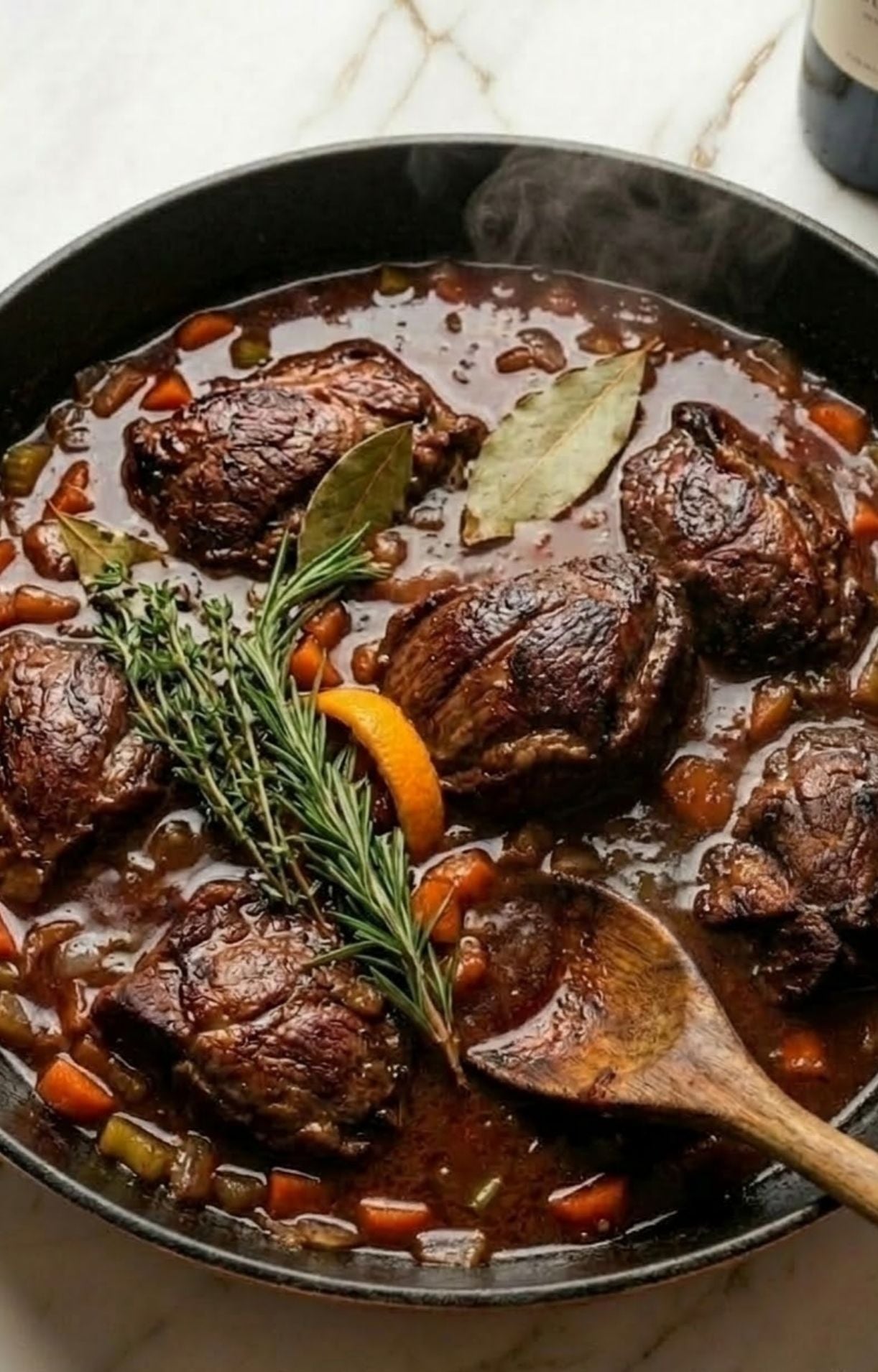
Return the beef cheeks to the pot. Add bay leaves, thyme, rosemary, orange zest, and beef stock. The cheeks should be mostly submerged.
7. Slow Braise
Bring to a gentle simmer, cover, and reduce heat to low. Cook gently for 3 to 3½ hours until fork-tender. Check occasionally and add a splash of stock if needed.
The cheeks are ready when they are soft enough to cut with a spoon.
8. Strain & Reduce (Optional but Recommended)
Remove the cheeks and herbs. Strain the sauce for a smooth finish if desired. Return sauce to pot and simmer uncovered 15 to 25 minutes until glossy and thick enough to coat the back of a spoon.
Return the cheeks to the sauce and warm through.
Pro Tips for Perfect Spanish Beef Cheeks
- Cook gently, not rapidly. Boiling makes beef tough.
- If the meat feels firm, it simply needs more time.
- This dish tastes even better the next day.
- Straining the sauce creates a refined, restaurant-style finish.
- Chill overnight and skim excess fat for an even cleaner sauce.
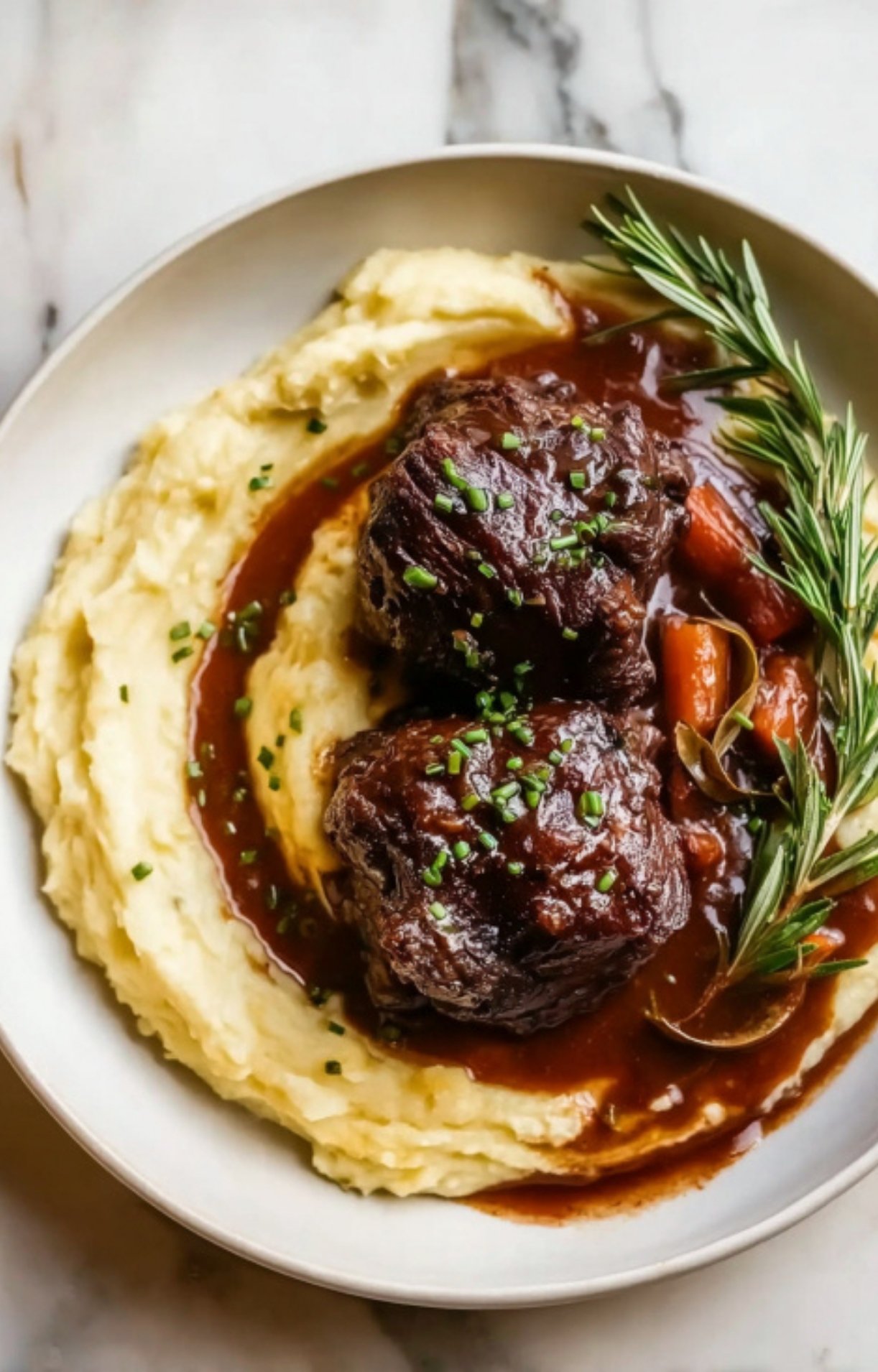
What to Serve with Spanish Beef Cheeks
These pair beautifully with:
- Creamy mashed potatoes
- Soft polenta
- Potato purée
- Crusty rustic bread
The sauce is too good to waste.
Wine Pairing
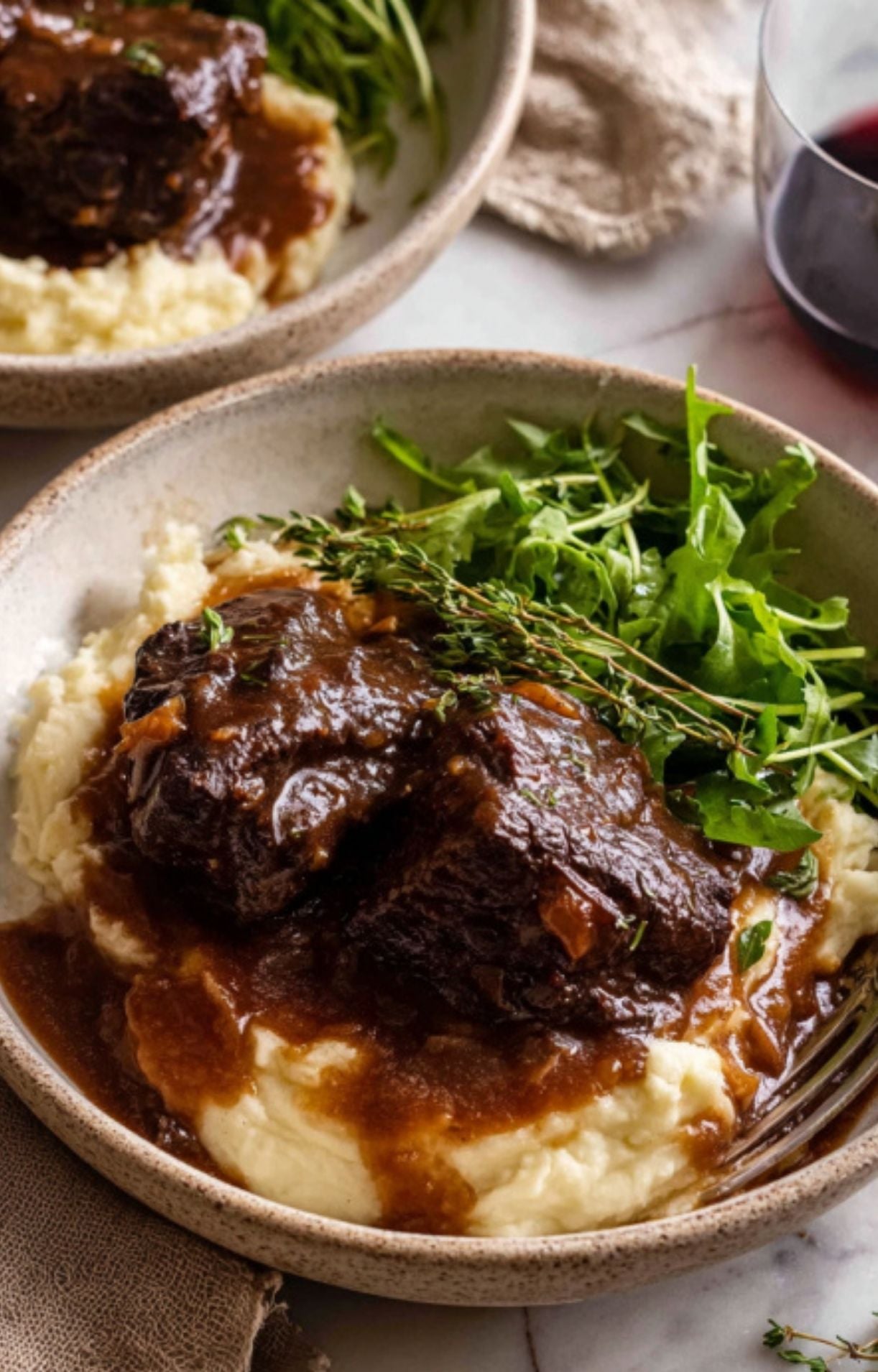
Serve with the same style of Spanish red wine used in the braise. Tempranillo or Garnacha complement the richness perfectly.
FAQ
Yes. In fact, they taste better the next day. Store in the fridge and reheat gently.
Short ribs or oxtail are good substitutes, though the texture will differ slightly.
They likely need more time. Collagen must fully break down for that buttery texture.
Absolutely. It will be more rustic but still delicious.

Spanish Beef Cheeks
- Total Time: 4 hours 15 minutes
- Yield: 4 servings 1x
Description
Rich, rustic, and restaurant-worthy, these Spanish beef cheeks are slow-braised in red wine with sweet vegetables, smoked paprika, and bright orange zest. The result is meltingly tender beef in a deep, glossy sauce that feels luxurious yet beautifully simple.
Ingredients
- 4 beef cheeks, trimmed
- Sea salt and freshly ground black pepper
- 2 tbsp olive oil
- 1 large onion, finely chopped
- 2 carrots, diced
- 2 celery stalks, diced
- 4 garlic cloves, sliced
- 2 bay leaves
- 2 sprigs thyme (or 1 tsp dried)
- 2 sprigs rosemary
- 500 ml Spanish red wine (Tempranillo or Rioja)
- 500 ml beef stock
- 2 tbsp tomato paste
- 1 tsp sweet smoked paprika
- Zest of 1 orange
Instructions
- Season beef cheeks generously with salt and pepper.
- Heat olive oil in a heavy pot over medium-high heat. Brown cheeks on all sides until deeply golden. Remove and set aside.
- In the same pot, cook onion, carrot, and celery for about 8 minutes until softened. Add garlic and cook briefly.
- Stir in tomato paste and sweet smoked paprika and cook for 1 to 2 minutes to deepen flavor.
- Deglaze with Spanish red wine, scraping up browned bits. Let simmer about 5 minutes to reduce slightly.
- Return beef cheeks to pot. Add bay leaves, thyme, rosemary, orange zest, and beef stock. Meat should be mostly submerged.
- Bring to a gentle simmer, cover, and cook on low for 3 to 3½ hours until fork-tender.
- Remove cheeks and herbs from the pot. Strain sauce if a smooth finish is desired.
- Simmer sauce uncovered for 15 to 25 minutes until glossy and reduced enough to coat the back of a spoon.
- Return cheeks to sauce, warm through, and serve hot.
Notes
Best made a day ahead as flavors deepen beautifully. Keep the braise gentle as boiling can toughen the meat. If cheeks feel firm, continue cooking until collagen fully breaks down. Straining the sauce creates a refined finish but a rustic texture is also wonderful.
- Prep Time: 30 minutes
- Cook Time: 3 hours 45 minutes
- Category: Dinner
- Method: Braising
- Cuisine: Spanish
Nutrition
- Serving Size: 1 serving
- Calories: 610 kcal
- Sugar: 7 g
- Sodium: 690 mg
- Fat: 34 g
- Saturated Fat: 12 g
- Unsaturated Fat: 20 g
- Trans Fat: 0.5 g
- Carbohydrates: 16 g
- Fiber: 3 g
- Protein: 58 g
- Cholesterol: 170 mg
Leave a Reply