
Looking for a sauce that makes everything better? This easy Gochujang Sauce is sweet, spicy, and packed with umami—ready in five minutes with just four simple ingredients. Drizzle it on veggies, rice bowls, or anything that needs a flavor boost. Naturally vegan and full of bold, complex taste, it’s the kind of sauce you’ll want to keep in your fridge and put on everything.
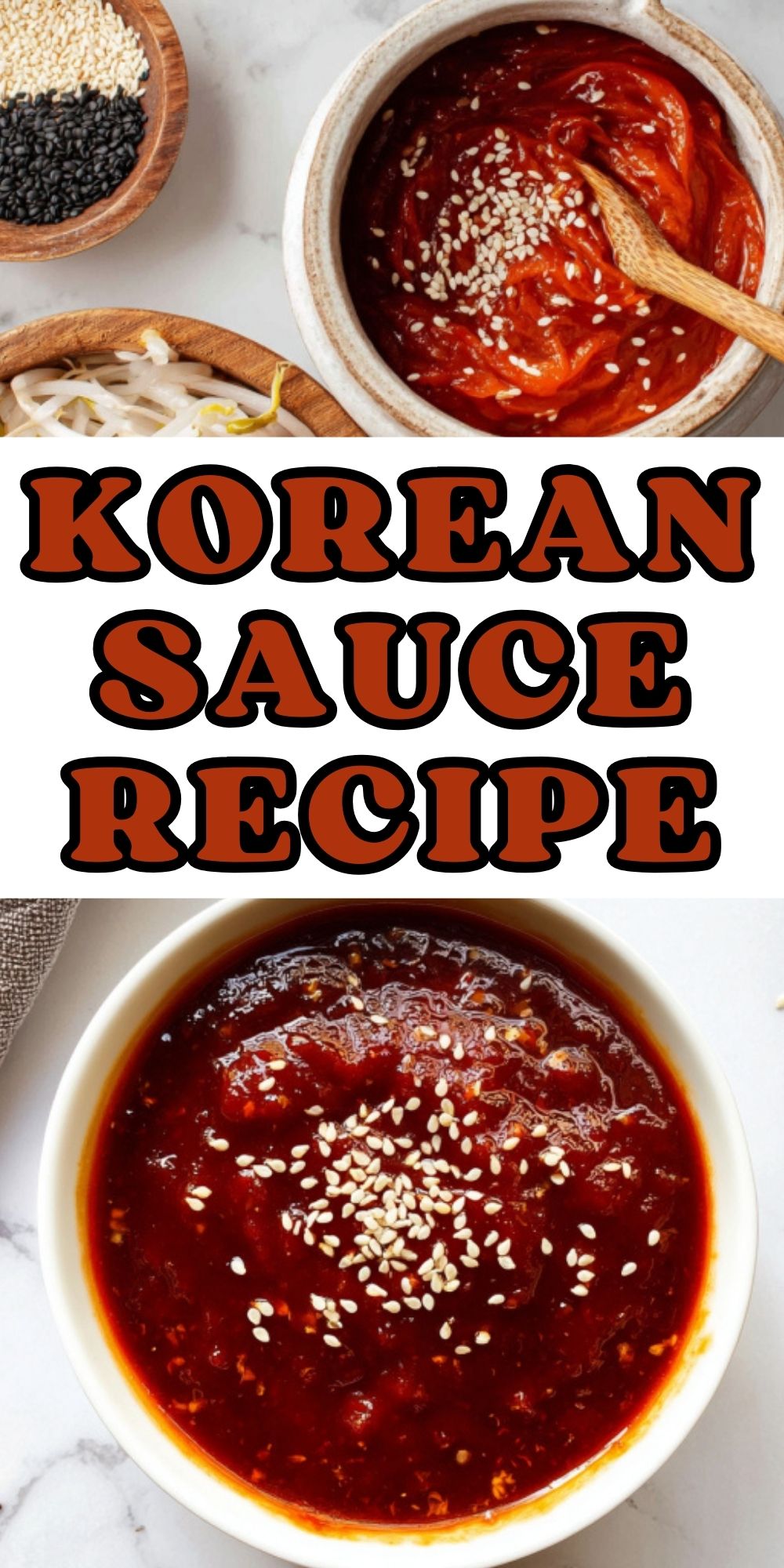
Why You’ll Love This Korean Sauce Recipe
- Big flavor, no fuss: You only need four ingredients and five minutes—no cooking required!
- Ultimate meal upgrade: Instantly turns grain bowls, veggies, and noodles into crave-worthy meals.
- Totally customizable: Make it mild or fiery, tangy or sweet—it’s your sauce now.
- Vegan & gluten-free: Plant-based and naturally free from gluten if you pick the right gochujang.
What is Gochujang ?
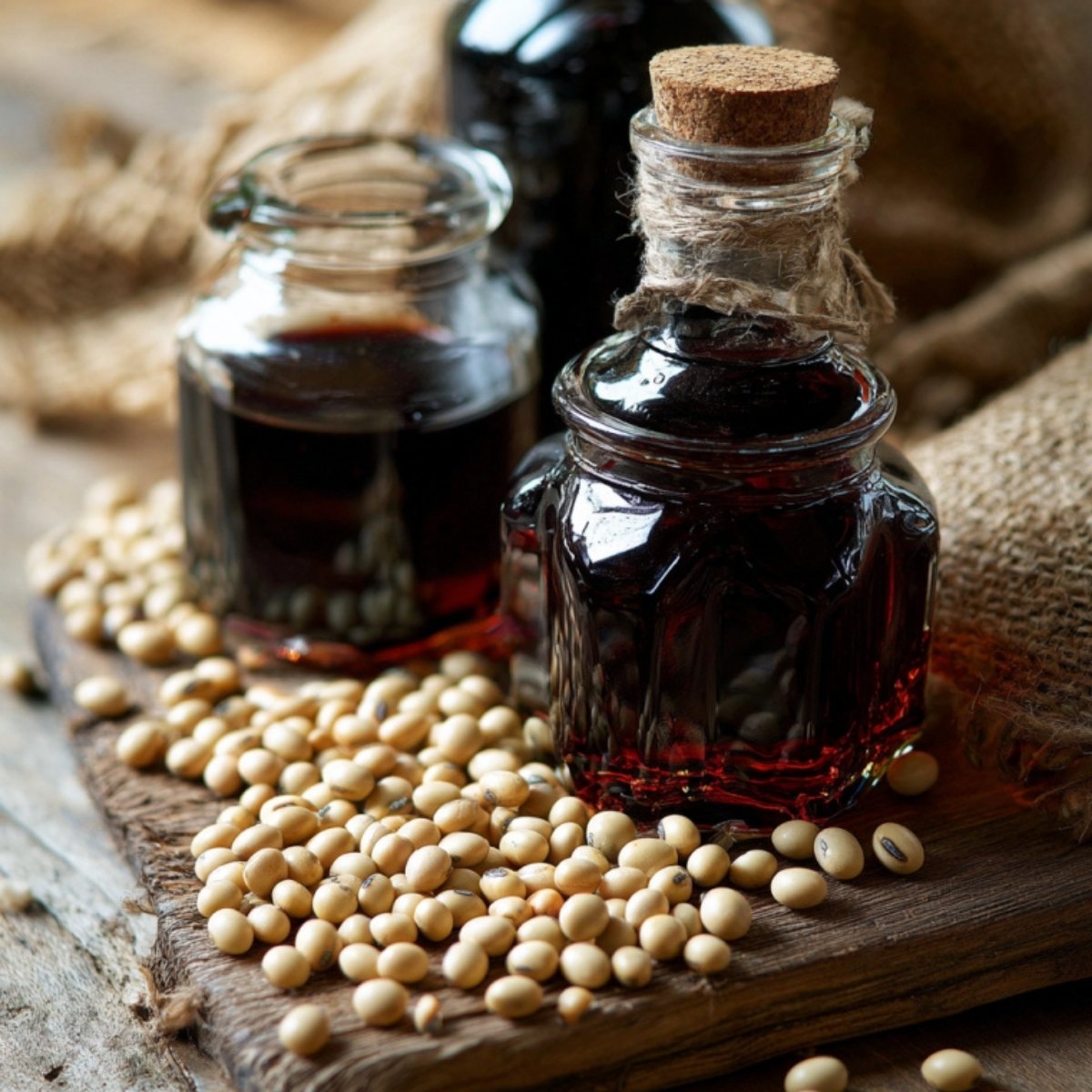
Gochujang is a bold Korean chili paste made from fermented peppers, glutinous rice, soybeans, and salt. It’s thick, spicy, funky, and a little sweet—so a little goes a long way. Mixing it with maple syrup, sesame oil, and rice vinegar turns it into a delicious, drizzly sauce that’s perfect for dipping or topping almost anything.
The 4 Essential Ingredients
- Gochujang paste: The real deal, straight from a Korean market or the Asian aisle. Start with less if you’re spice-shy, then add more for a bigger kick.
- Sesame oil: Nutty and aromatic, this rounds out the heat and adds richness.
- Rice vinegar: Brings a bright, tangy zip.
- Pure maple syrup: Sweetens the sauce naturally (no corn syrup here!) and balances out the savory heat.
For precise amounts, check the recipe card at the end of the post.
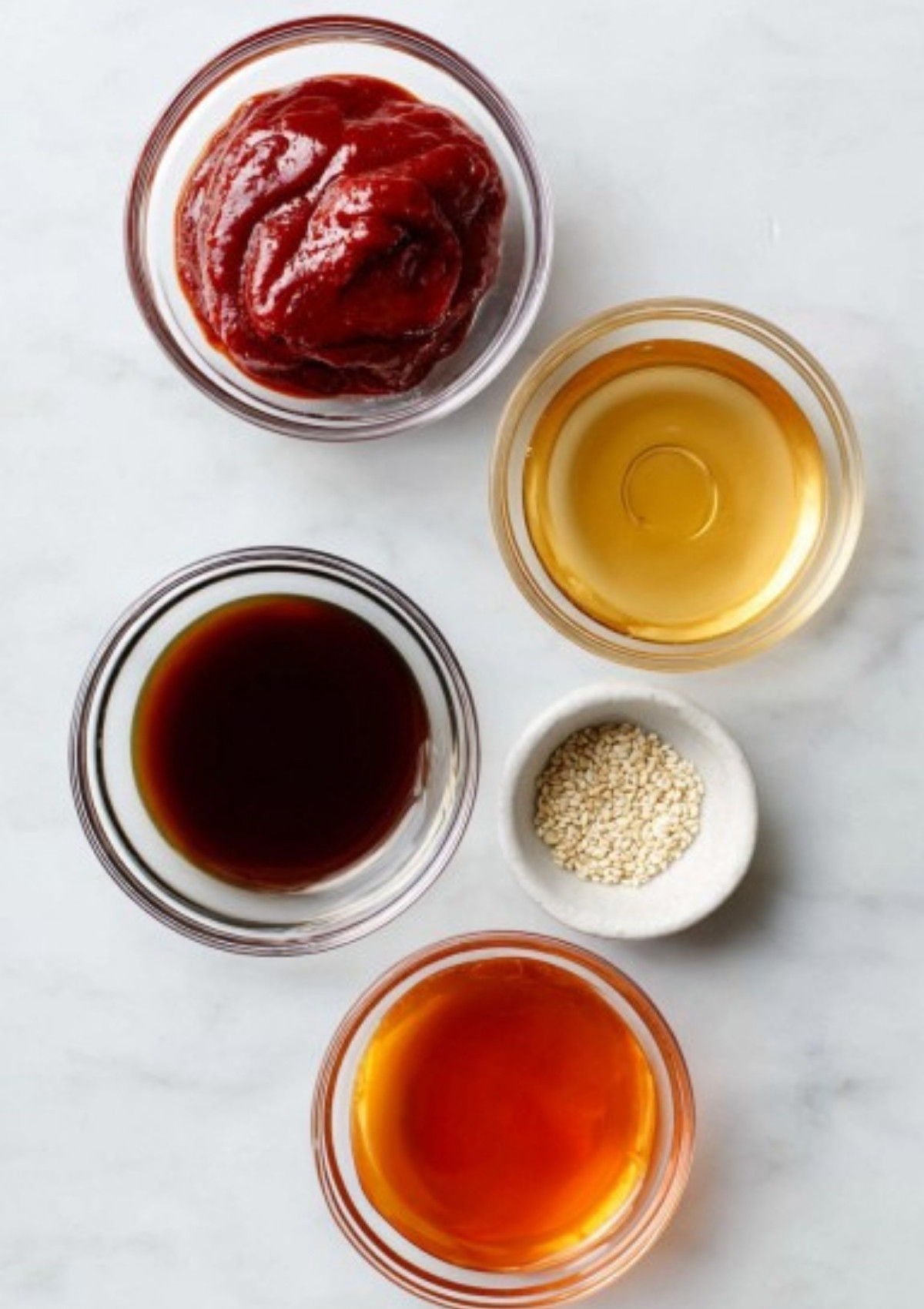
Pro tip: You can swap in honey if you’re not vegan, or agave if that’s what you’ve got. And if your pantry is looking a little bare, even regular white vinegar works in a pinch.
How to Make Korean Sauce (Gochujang Sauce)
Spoiler: It’s so easy, you’ll wonder why you ever bought store-bought sauces.
Quick Step-By-Step
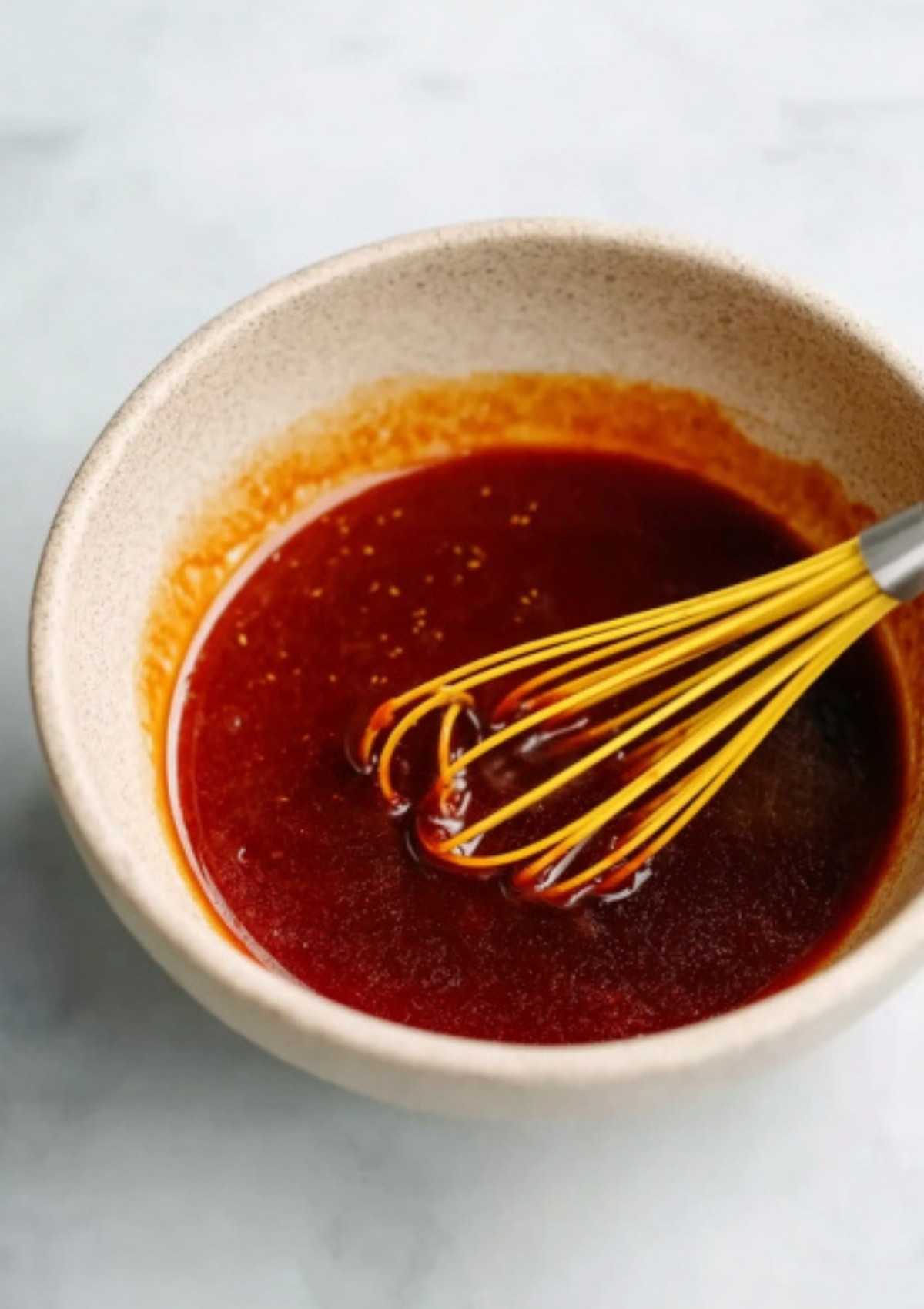
- Add everything to a bowl:
Grab a small bowl and add 2–3 tablespoons gochujang paste, 1½ tablespoons rice vinegar, 1 tablespoon sesame oil, and 1 tablespoon pure maple syrup.
- Whisk, whisk, whisk:
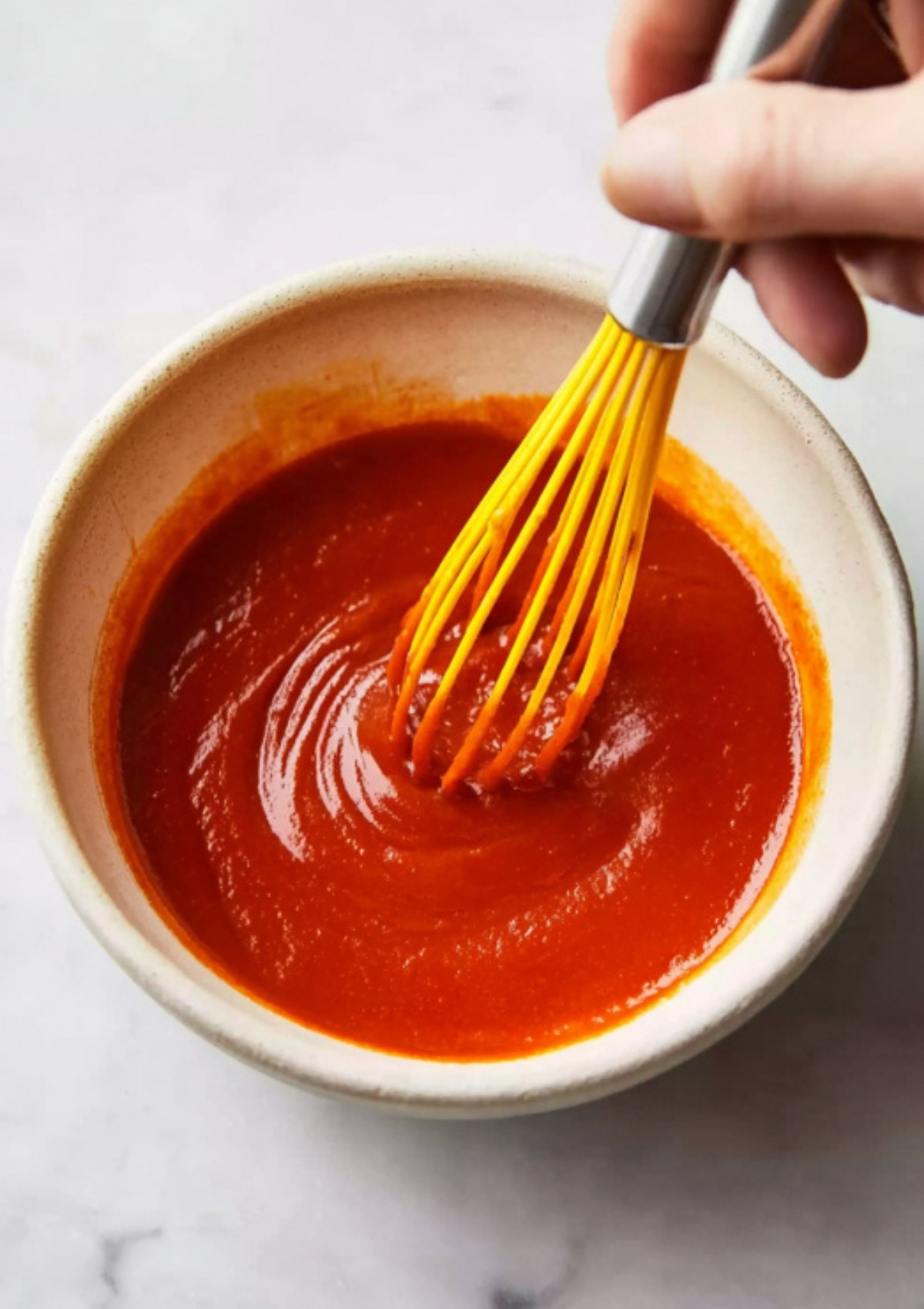
Stir it up until smooth and glossy. Taste and adjust—if you like it hotter, add more gochujang. For a sweeter vibe, drizzle in a bit more syrup. If you want it tangier, add an extra splash of vinegar.
- Serve or store:
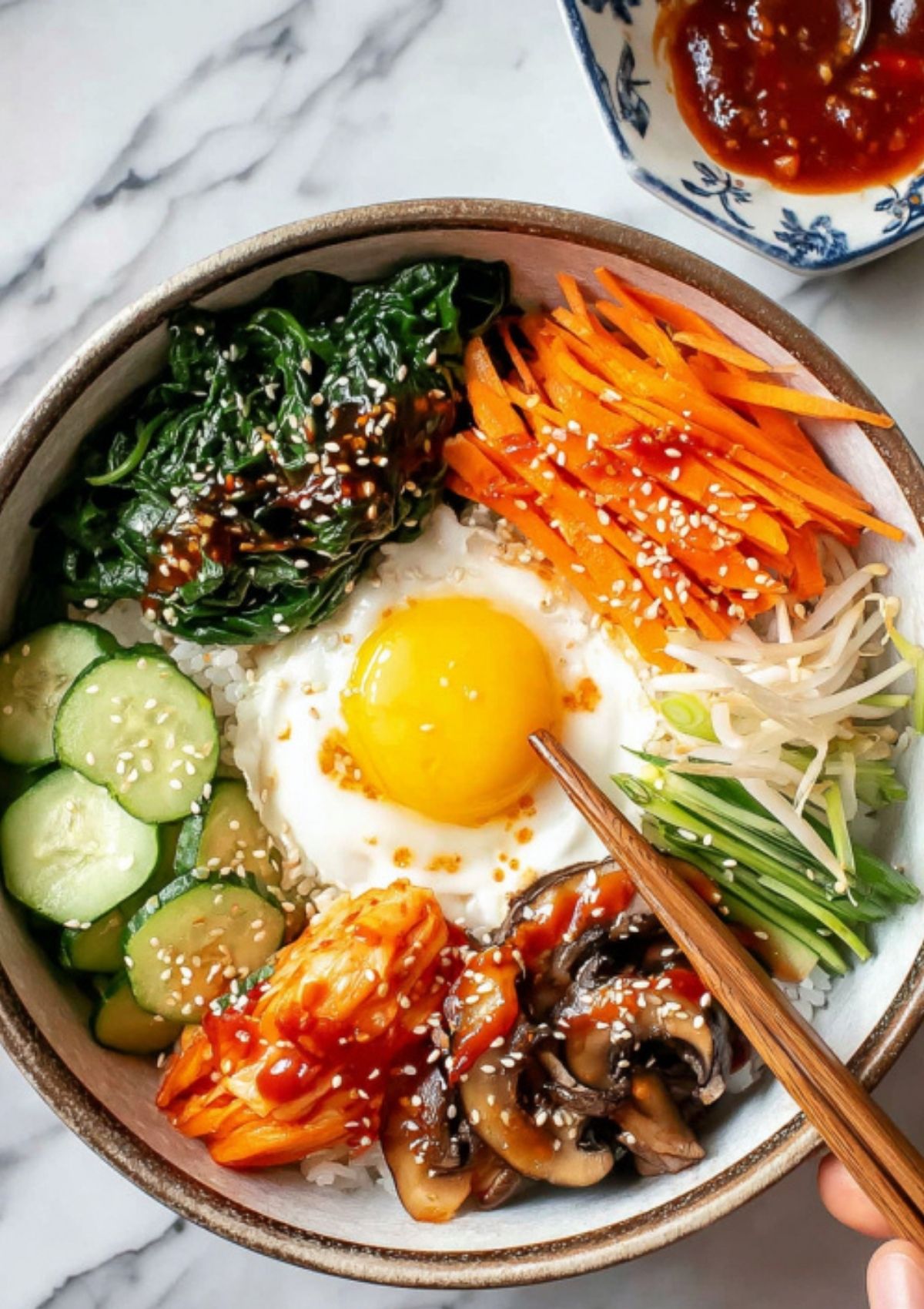
Spoon it over your favorite bowls, use as a dip, or pour into a jar and pop it in the fridge for up to a week.
Ingredient Notes
- Gochujang brands: Some are spicier than others. I love Mother-in-Law’s Gochujang, but any brand works.
- No maple syrup? Use honey, agave, or even a pinch of sugar.
- Toasted sesame oil: Adds a deeper, richer flavor—don’t skip it if you can help it!
How to Use Korean Gochujang Sauce
This is where things get fun—there are basically no limits to what you can drizzle this over.
- Bibimbap (Korean rice bowls): The OG pairing—add a generous spoonful to your bowl.
- Stir fry: Toss with veggies, tofu, or tempeh for a one-pan wonder.
- Grain bowls: Quinoa, brown rice, cauliflower rice… all of them love a little saucy action.
- Noodle dishes: Makes a killer spicy noodle bowl!
- Veggie burgers: Use as a spread or drizzle over the top.
- Dipping sauce: For sweet potato fries, dumplings, grilled veggies, or even sushi rolls.
- Avocado toast: (Trust me, it’s a vibe.)
- Salad dressing: Thin with a splash of water for a spicy-sweet vinaigrette.
Tips for the Best Korean Sauce
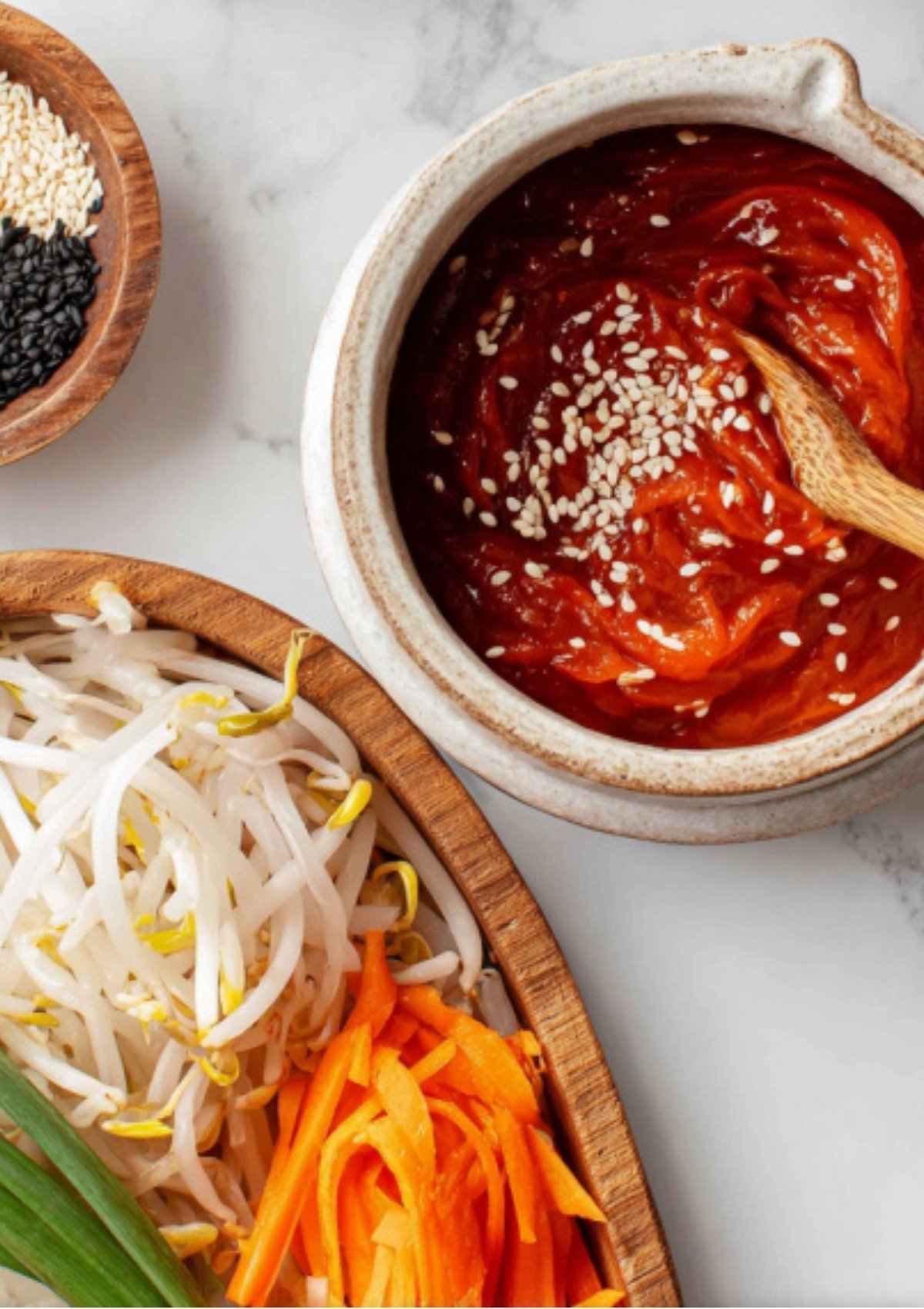
- Start small with gochujang: Brands vary in heat—taste as you go.
- Chill for deeper flavor: Letting the sauce sit for 10–20 minutes in the fridge deepens the flavors.
- Make it your own: Add minced garlic, ginger, a squeeze of lime, or even a sprinkle of sesame seeds for extra flair.
- Batch it up: Double or triple the recipe—trust me, you’ll find ways to use it.
Storing Your Sauce
- Fridge life: Keeps in an airtight container in the refrigerator for up to a week.
- Freezer-friendly: Freeze in ice cube trays for single servings you can thaw in a flash.
FAQ
Absolutely! Honey, agave, or a pinch of brown sugar all work well.
That depends on your gochujang and how much you use. Start with less and add to taste if you’re worried about the heat.
If you use gluten-free gochujang, then yes! Always check your labels.
You sure can—add a splash for a saltier, deeper flavor, but it’s not essential.

Korean Sauce Recipe
- Total Time: 5 minutes
- Yield: 4 servings 1x
- Diet: Vegan
Description
Sweet, spicy, and totally addictive—this Korean Gochujang Sauce comes together in five minutes with just four ingredients. Perfect for rice bowls, noodles, veggies, or anything that needs a bold flavor boost.
Ingredients
- 2–3 tablespoons gochujang paste
- 1½ tablespoons rice vinegar
- 1 tablespoon toasted sesame oil
- 1 tablespoon pure maple syrup
Instructions
- In a small bowl, whisk together the gochujang paste, rice vinegar, sesame oil, and maple syrup. Start with less gochujang if you want it mild, add more for extra spice.
- Taste and adjust—add more syrup for sweetness, more vinegar for tang, or more gochujang for heat.
- Spoon over bibimbap, grain bowls, stir fries, or use as a dipping sauce. Store leftovers in the fridge for up to 1 week.
Notes
Try adding minced garlic or ginger for extra flavor. Swap maple syrup with honey or agave. Thin with water to make a dressing.
- Prep Time: 5 minutes
- Cook Time: 0 minutes
- Category: Sauce
- Method: No-Cook
- Cuisine: Korean
Nutrition
- Serving Size: 1 portion
- Calories: 60
- Sugar: 3g
- Sodium: 400mg
- Fat: 4g
- Saturated Fat: 0.5g
- Unsaturated Fat: 3g
- Trans Fat: 0g
- Carbohydrates: 5g
- Fiber: 0g
- Protein: 1g
- Cholesterol: 0mg
Leave a Reply