
Hey, I’m Chloe!
If you want the exact glossy, sweet-tangy sauce that soaks into crispy beef and makes every bite pop, you are in the right place. This post breaks down Beijing beef sauce into a foolproof, easily adjustable recipe you can make ahead, tweak for heat, and use to transform stir-fried beef, chicken, or even tofu into a restaurant-style meal. It works as a marinade, a finishing glaze, or a full stir-fry sauce, and it stores beautifully so you can make dinner feel like takeout on a weeknight.
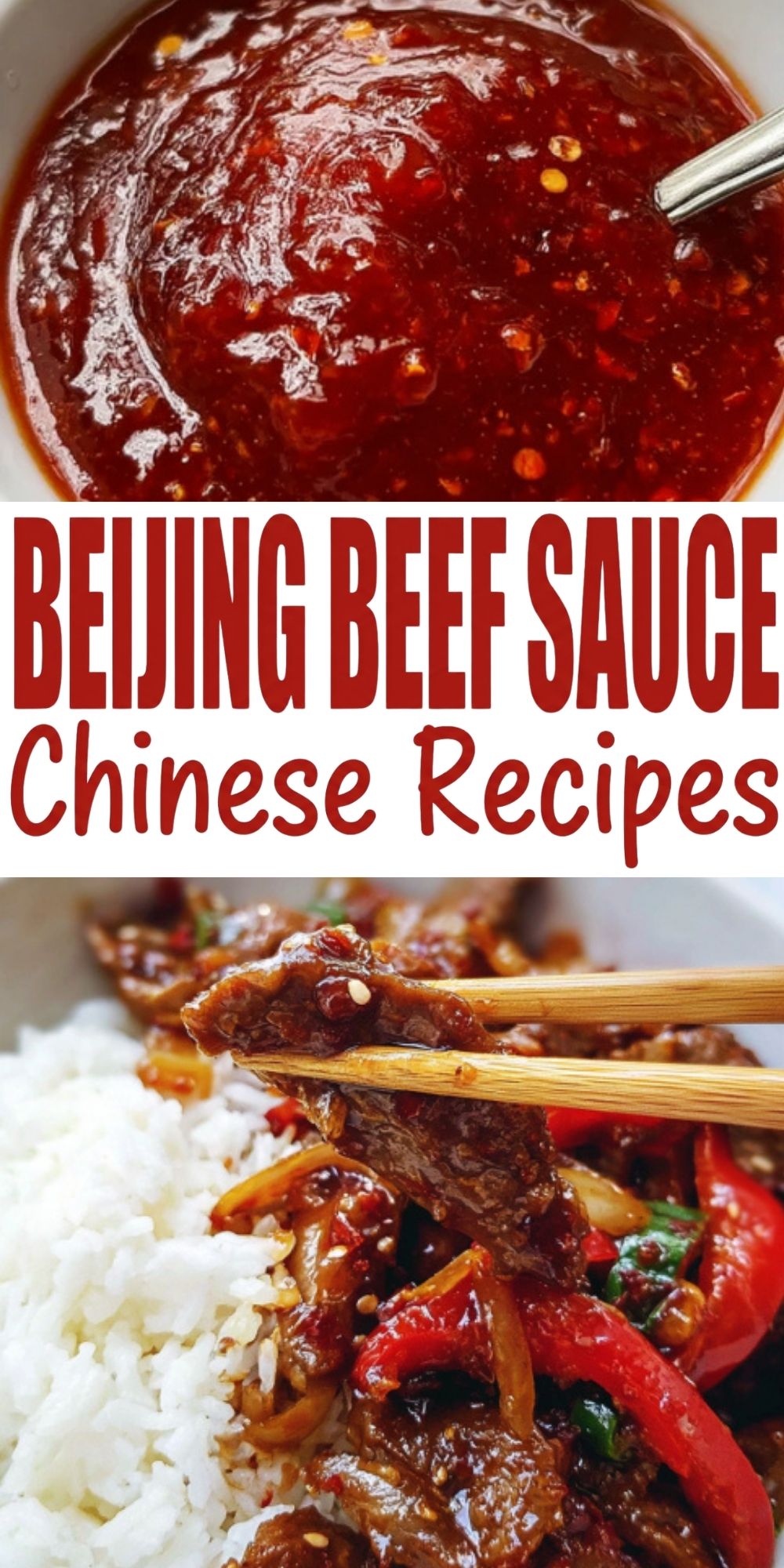
I wrote this recipe and guide with step-by-step clarity and Pinterest-friendly plating tips so you can make a shareable bowl that looks as good as it tastes. Let’s make your kitchen smell amazing.
Why the Sauce Matters
Beijing beef is about contrast. Crisp exterior, tender interior. Bright, tangy sauce with a sweet backbone and a subtle hit of chili. The sauce is the part that ties everything together. It is sticky enough to coat the beef but balanced enough so you notice layers of flavor — sweet, sour, savory, and a touch of citrus brightness.
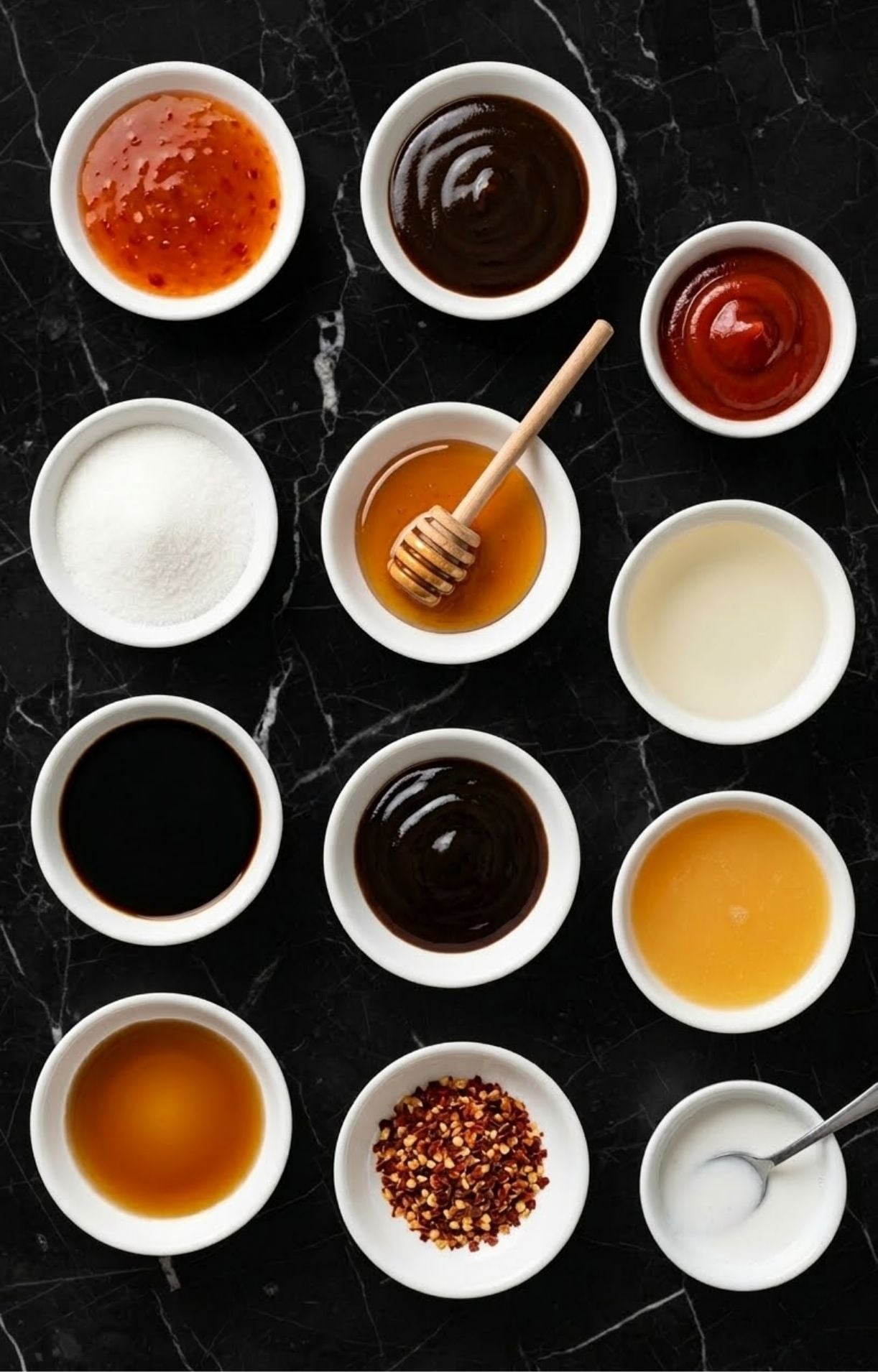
Core Ingredients and What They Do
Use these pantry-friendly ingredients to build the classic Beijing flavor profile.
- Asian sweet chili sauce — Sweet with a chili kick; it is the backbone of the sauce and gives that familiar flavor.
- Hoisin sauce — Adds depth, a touch of sweet-savory richness, and color.
- Ketchup — Provides tang and tomato sweetness that helps the sauce round out.
- Sugar or honey — Balances acidity and amplifies the gloss. Use granulated sugar if you want neutral sweetness or honey for a warmer note.
- Rice vinegar or red wine vinegar — Gives the sauce its bright tang. Rice vinegar is milder and slightly sweet.
- Oyster sauce — Brings savory umami. Substitute with more hoisin for a vegetarian tweak.
- Soy sauce — Salt and savory backbone. Use low-sodium if you want more control.
- Orange juice — A small splash brightens and lifts the whole sauce. Fresh or store-bought both work.
- Cornstarch slurry — Thickens the sauce to that sticky, clingy perfection.
- Crushed red pepper flakes or sriracha — For heat. Add to taste.
For precise amounts, check the recipe card at the end of the post.
Step-by-Step: Make the Sauce From Scratch
Short description: This is a short, reliable routine you can use every time. Mix, taste, adjust, and finish with the slurry.
- In a medium bowl, whisk together sweet chili sauce, hoisin, ketchup, sugar or honey, rice vinegar, soy sauce, oyster sauce, orange juice, and sesame oil.
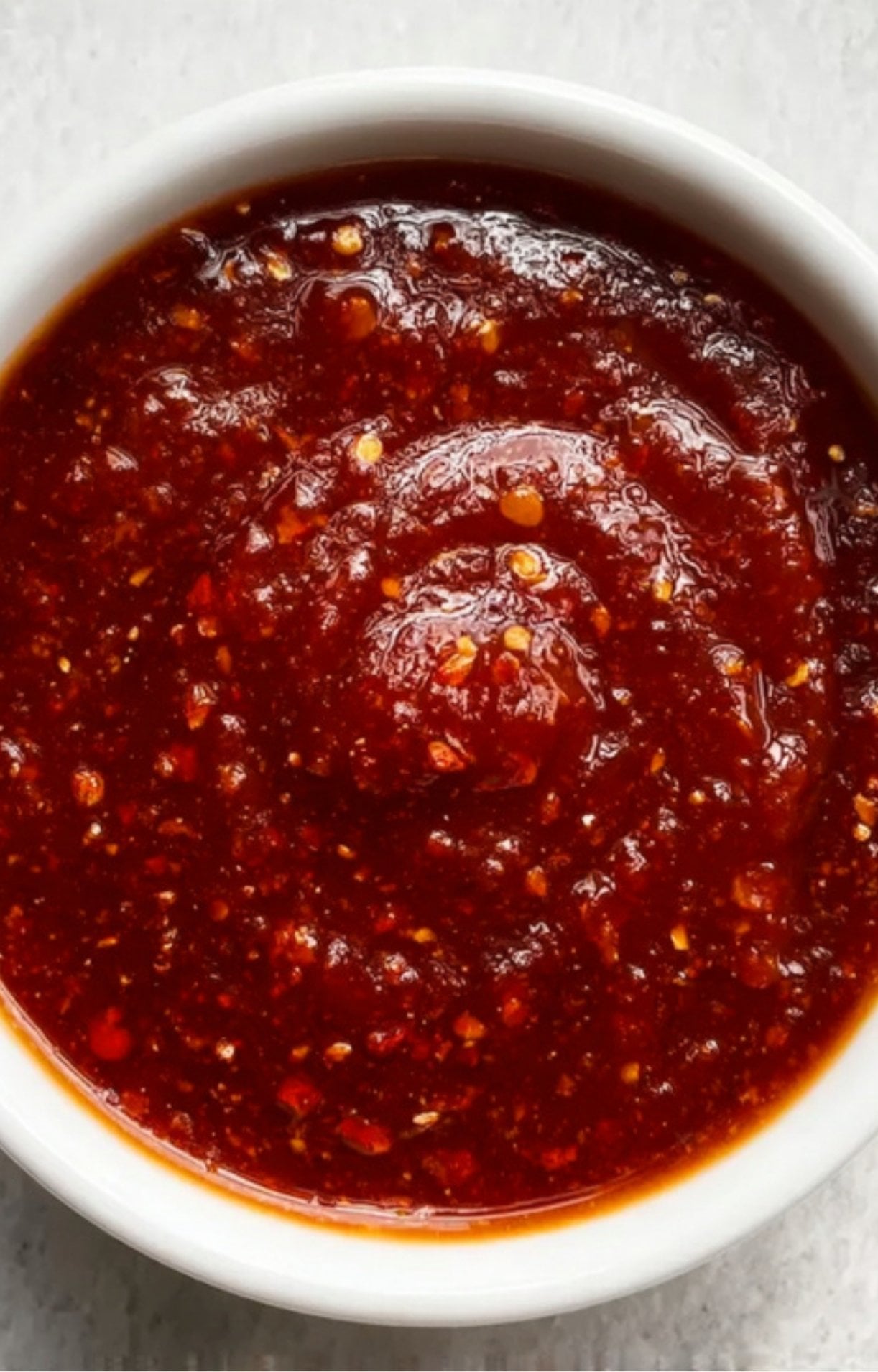
- Taste the sauce and adjust: add more sugar if you prefer sweeter, more vinegar if you want brightness, more soy for salt, or extra chili flakes for heat. Remember that flavors will concentrate slightly as the sauce reduces.
- When you are ready to use, pour the sauce into a skillet over medium heat. Bring to a simmer.
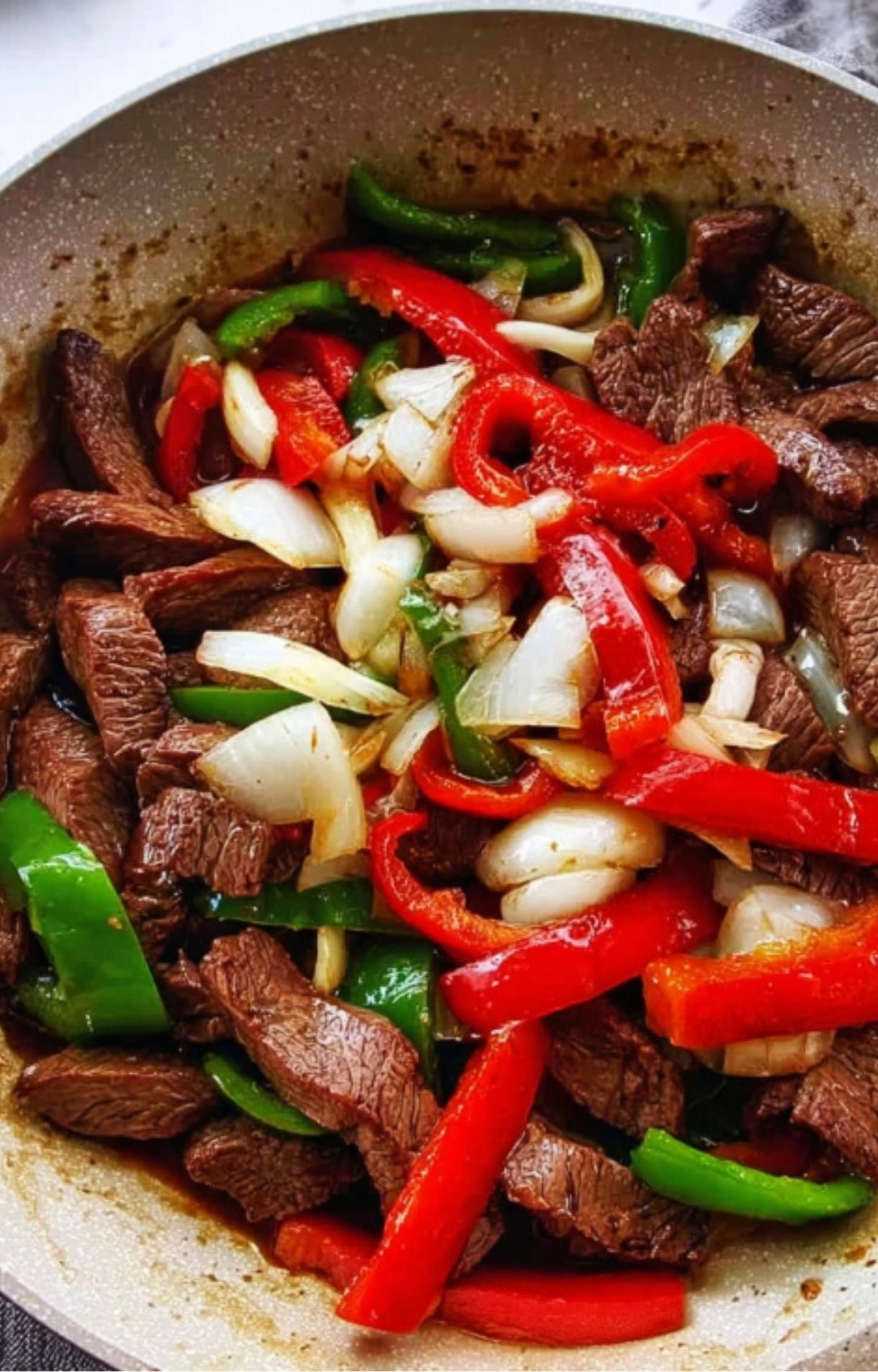
- Whisk the cornstarch with cold water to make a slurry. Slowly stir the slurry into the simmering sauce while whisking to prevent lumps.
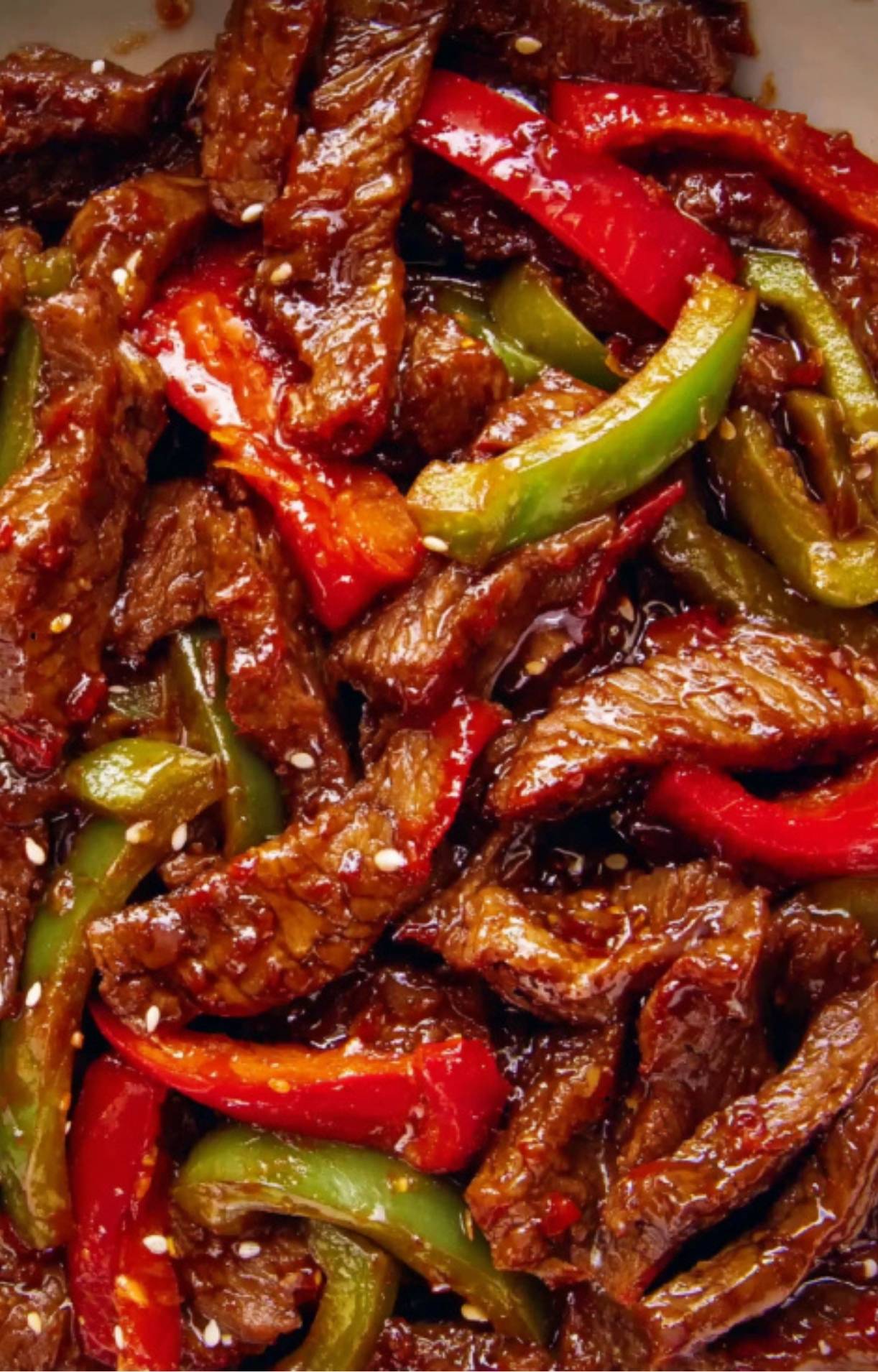
- Cook for 1 to 2 minutes until the sauce becomes glossy, thick, and coats the back of a spoon. Remove from heat and toss with cooked beef and vegetables.
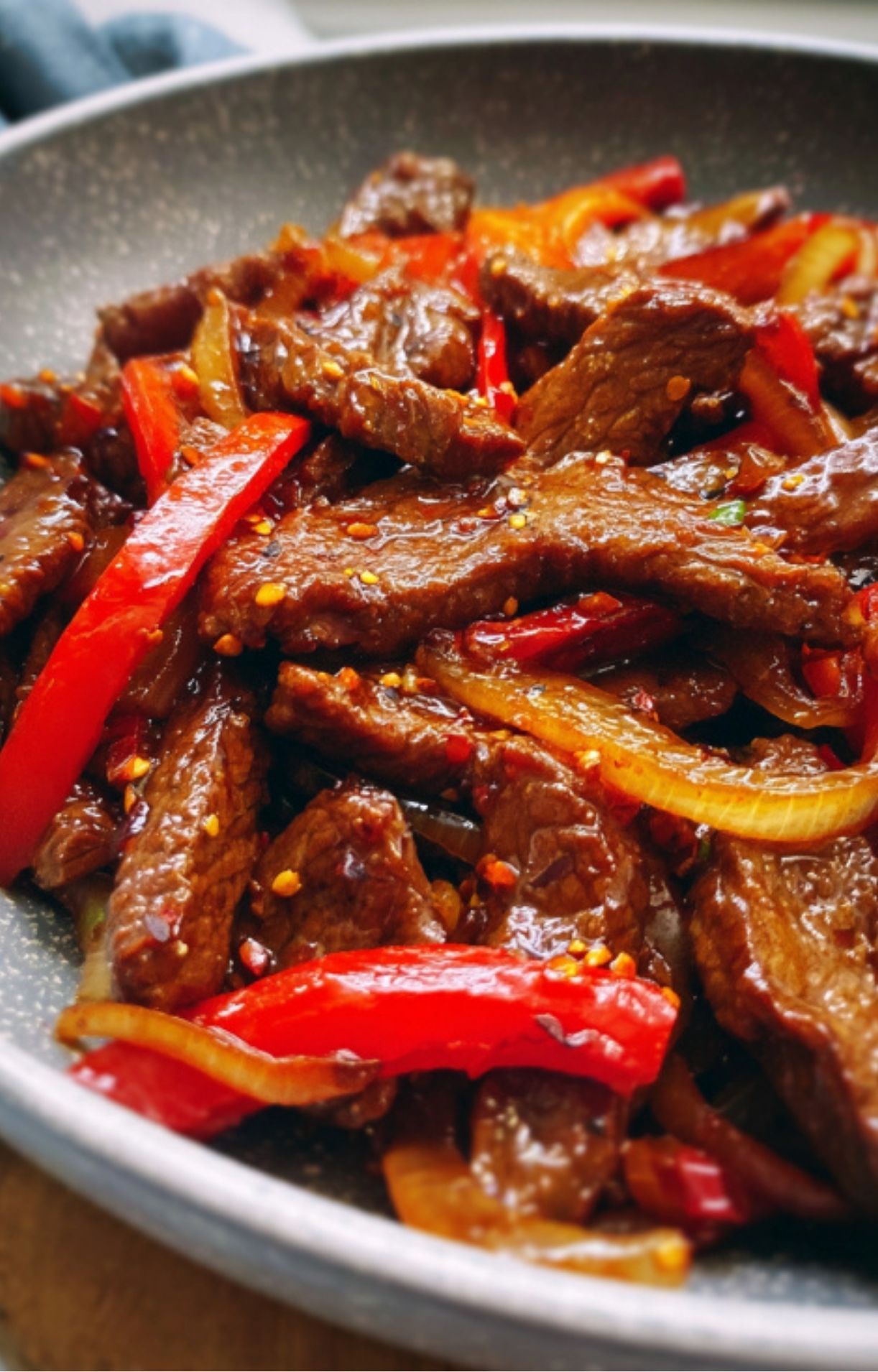
How to Use This Sauce — Three Easy Ways
1) Classic Stir-Fry Finish (best for crispy or seared beef)
- Make your beef crispy by deep-frying, pan-frying, or velveting and searing. Set aside.
- Stir-fry onions and bell peppers in a hot pan with a splash of oil.
- Add the sauce and simmer 1 to 2 minutes until it starts to thicken.
- Stir in the cornstarch slurry and cook until glossy.
- Return the beef and toss quickly to coat. Serve immediately over rice.
2) Quick Weeknight Stir-Fry (no deep-frying)
- Thinly slice beef and marinate briefly with a tablespoon soy and 1 teaspoon cornstarch.
- Sear in a hot skillet in small batches. Remove.
- Stir-fry vegetables, add sauce, then add beef back and simmer 1 minute until heated through and sauce is thick.
3) Make-Ahead Sauce for Meal Prep
- Prepare the sauce up to 48 hours ahead and refrigerate in an airtight jar.
- Reheat gently in a saucepan and add slurry to thicken just before tossing with cooked protein or veggies.
- For freezing, omit the slurry, freeze in a sealed container for up to 2 months, thaw overnight in the fridge, whisk, then add slurry and heat.
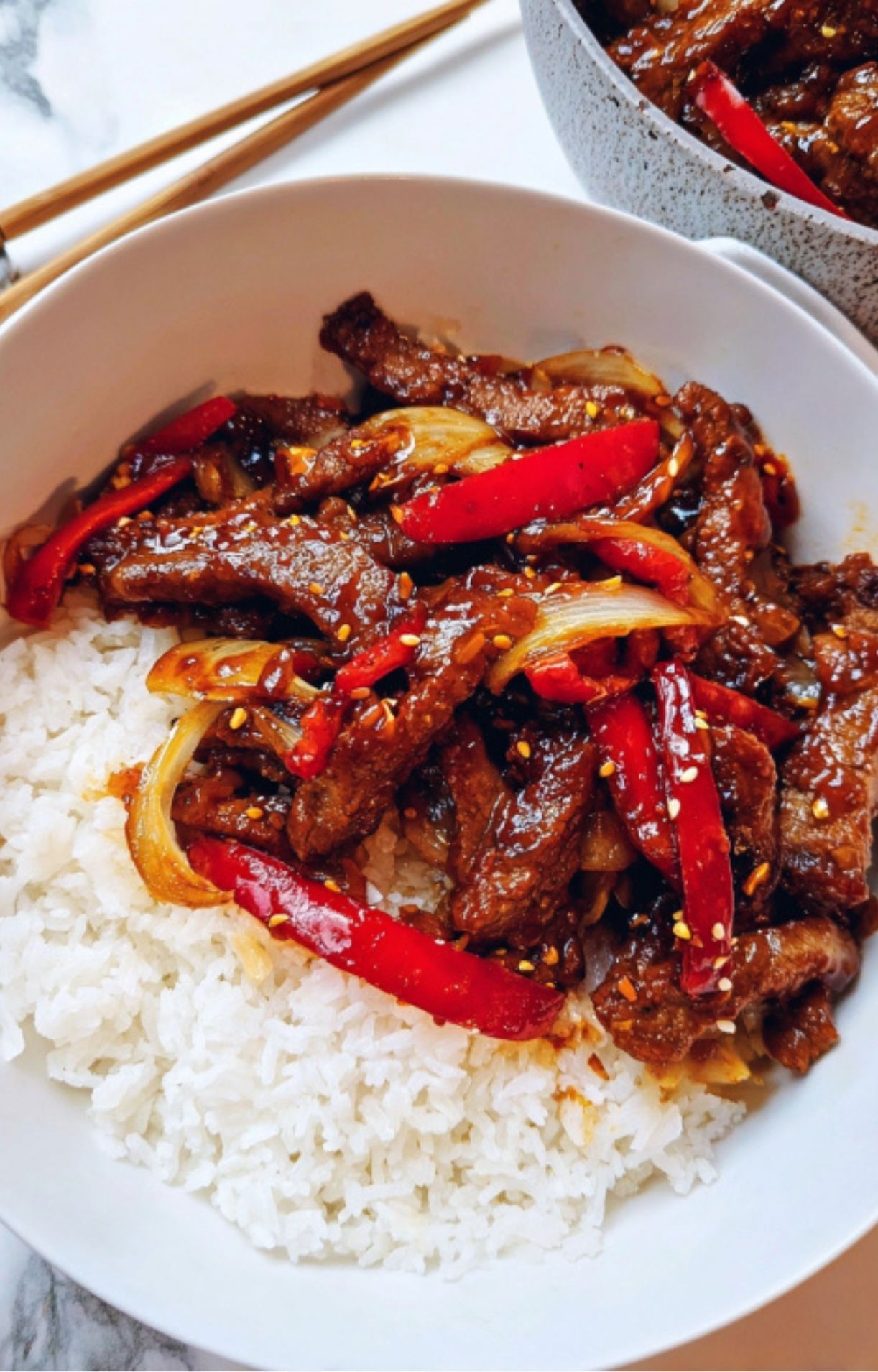

Beijing Beef Sauce
This Beijing Beef Sauce is glossy, sweet, tangy, and perfectly balanced with sweet chili sauce, hoisin, vinegar, and a touch of citrus. It is the sticky sauce that transforms stir fried beef, chicken, or tofu into a restaurant style Beijing beef dinner in minutes.
Ingredients
- ½ cup Asian sweet chili sauce
- ⅓ cup hoisin sauce
- ¼ cup ketchup
- ¼ cup granulated sugar or 3 tablespoon honey
- 2 ½ tablespoon rice vinegar or red wine vinegar
- 2 tablespoon soy sauce
- 1 tablespoon oyster sauce (optional)
- 1 tablespoon fresh orange juice
- 1 tablespoon toasted sesame oil
- 1 to 1 ½ teaspoon crushed red pepper flakes
- 1 ½ teaspoon cornstarch mixed with 2 tablespoon cold water
Instructions
- In a bowl whisk together sweet chili sauce, hoisin sauce, ketchup, sugar or honey, rice vinegar, soy sauce, oyster sauce, orange juice, sesame oil, and crushed red pepper flakes until smooth.
- Taste the sauce and adjust sweetness, tang, or spice if needed.
- Pour the sauce into a small saucepan and bring to a gentle simmer over medium heat.
- Stir the cornstarch with cold water to make a slurry.
- Slowly whisk the slurry into the simmering sauce while stirring constantly.
- Cook for 1 to 2 minutes until the sauce becomes glossy and thick enough to coat the back of a spoon.
- Remove from heat and toss with cooked beef and vegetables or store for later use.
Notes
Make the sauce ahead and store without the cornstarch slurry for easiest reheating. Add the slurry when reheating to thicken. Reduce sugar slightly if you prefer a tangier sauce. For a vegetarian version omit oyster sauce and add a small amount of miso dissolved in warm water for umami.
Nutrition Information
Serving Size 2 tbspAmount Per Serving Calories 70Total Fat 2gSaturated Fat 0gTrans Fat 0gUnsaturated Fat 2gCholesterol 0mgSodium 420mgCarbohydrates 14gFiber 0gSugar 12gProtein 1g
How to Tailor the Sauce for Taste and Diet
- Less sugar: Reduce the sugar by one third. Replace with a splash more orange juice for brightness.
- Lower sodium: Use low-sodium soy sauce and low-sodium hoisin where possible.
- Gluten-free: Use tamari instead of soy and check hoisin or substitute with extra sweet chili plus a touch of miso for depth. Omit oyster sauce or use a gluten-free alternative.
- Vegetarian: Omit oyster sauce. Add a teaspoon of miso dissolved in water for umami.
- Bolder umami: Add 1 teaspoon fish sauce or ½ teaspoon mushroom soy sauce for an earthy boost.
- Tangier: Swap some rice vinegar for apple cider vinegar, or add a splash more rice vinegar.
- Saucier finish: Add an extra 2 tablespoons sweet chili sauce and a drizzle of honey after stirring to coat.
Common Mistakes and How to Avoid Them
- Sauce too thin: Make sure you whisk the slurry until smooth and add it to a simmering sauce. Simmer briefly so it cooks and thickens.
- Too salty: Taste before adding more soy. Remember the sauce will concentrate as it reduces. Use low-sodium soy sauce when in doubt.
- Clumpy sauce: Always dissolve cornstarch in cold water first, then add slowly while whisking.
- Sauce too sweet: Add a small splash of vinegar or a squeeze of fresh orange juice and simmer to balance it.
- Beef goes soggy: If you want crisp beef, fry or sear and toss with sauce at the end. Do this right before serving to preserve texture.
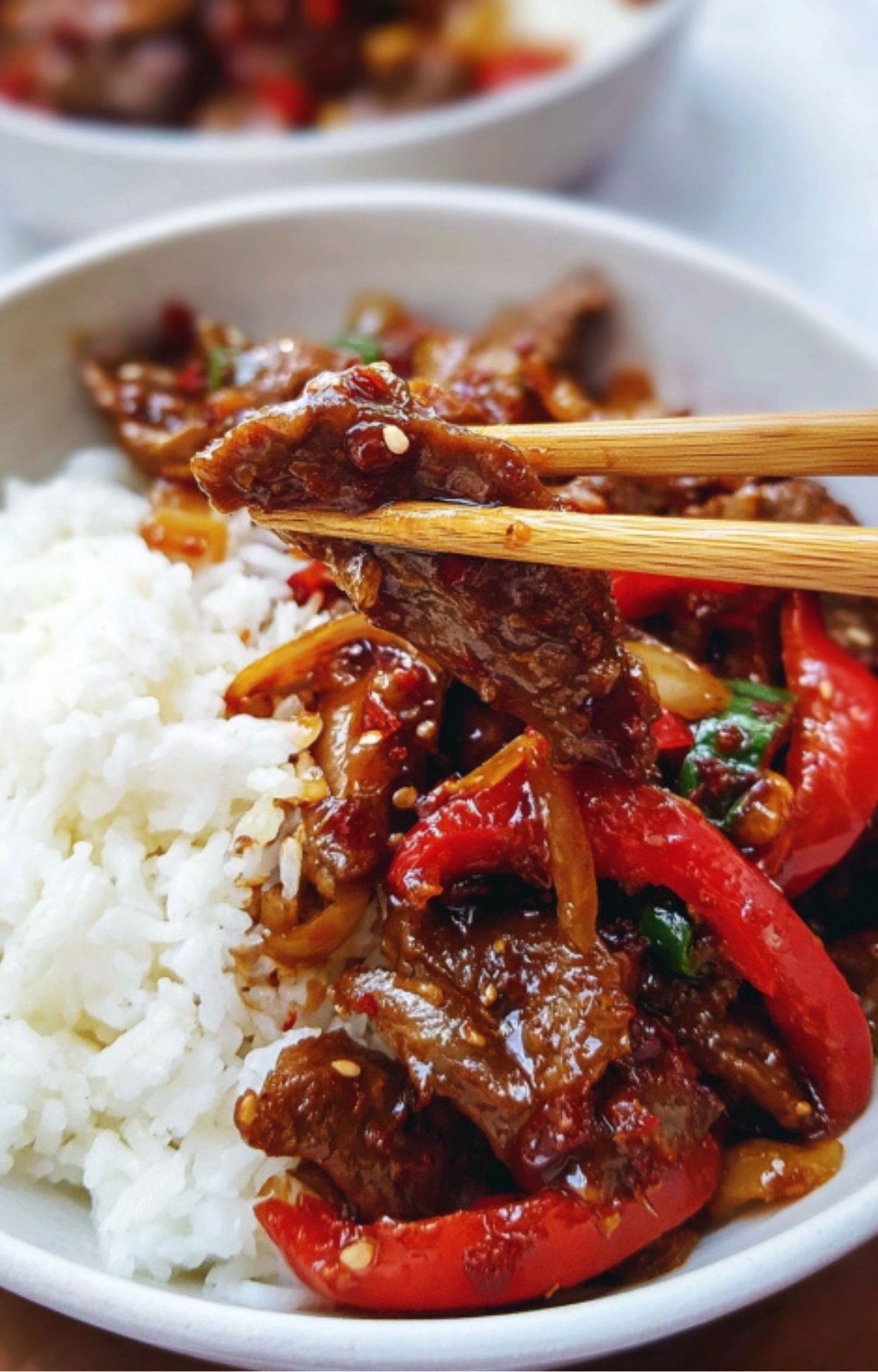
Pairings and Serving Ideas
- Classic: Serve over steamed jasmine rice with scallions.
- Low carb: Serve over cauliflower rice or a bed of sautéed greens.
- Noodles: Toss with lo mein or chow mein noodles for a saucy noodle bowl.
- Veg-forward: Add broccoli florets, snap peas, or carrots to the stir-fry for color and crunch.
- Make it a meal: Offer egg rolls, steamed buns, or a simple cucumber salad on the side.
Make-Ahead and Storage
- Refrigerator: Store the prepared sauce (without slurry) in a sealed jar for up to 4 days.
- Freezer: Freeze the sauce (omit slurry) in freezer-safe containers for up to 2 months. Thaw overnight in the fridge, whisk, add slurry, and finish on the stove.
- Meal prep tip: Keep sauce separate from crispy fried beef if you plan to reheat. Re-crisp the beef briefly in a hot oven or air fryer before combining.
FAQ
Yes. Use tamari instead of soy sauce and check your hoisin and oyster sauce labels. If hoisin is not gluten-free, substitute additional sweet chili sauce plus a touch of miso.
It is traditionally mildly spicy. Adjust the crushed red pepper flakes or add sriracha to increase heat. For a milder sauce, reduce the chili flakes and use a milder sweet chili sauce.
Absolutely. This sauce is versatile. It works great with crispy tofu, pan-seared chicken breast, or even shrimp.
The gloss comes from the starch thickener and the oils. If the sauce becomes matte when cool, reheat gently and whisk in a tiny touch of neutral oil before serving. Adding a small knob of butter at the end can also help the sauce shine, if it suits your dietary needs.

Leave a Reply