
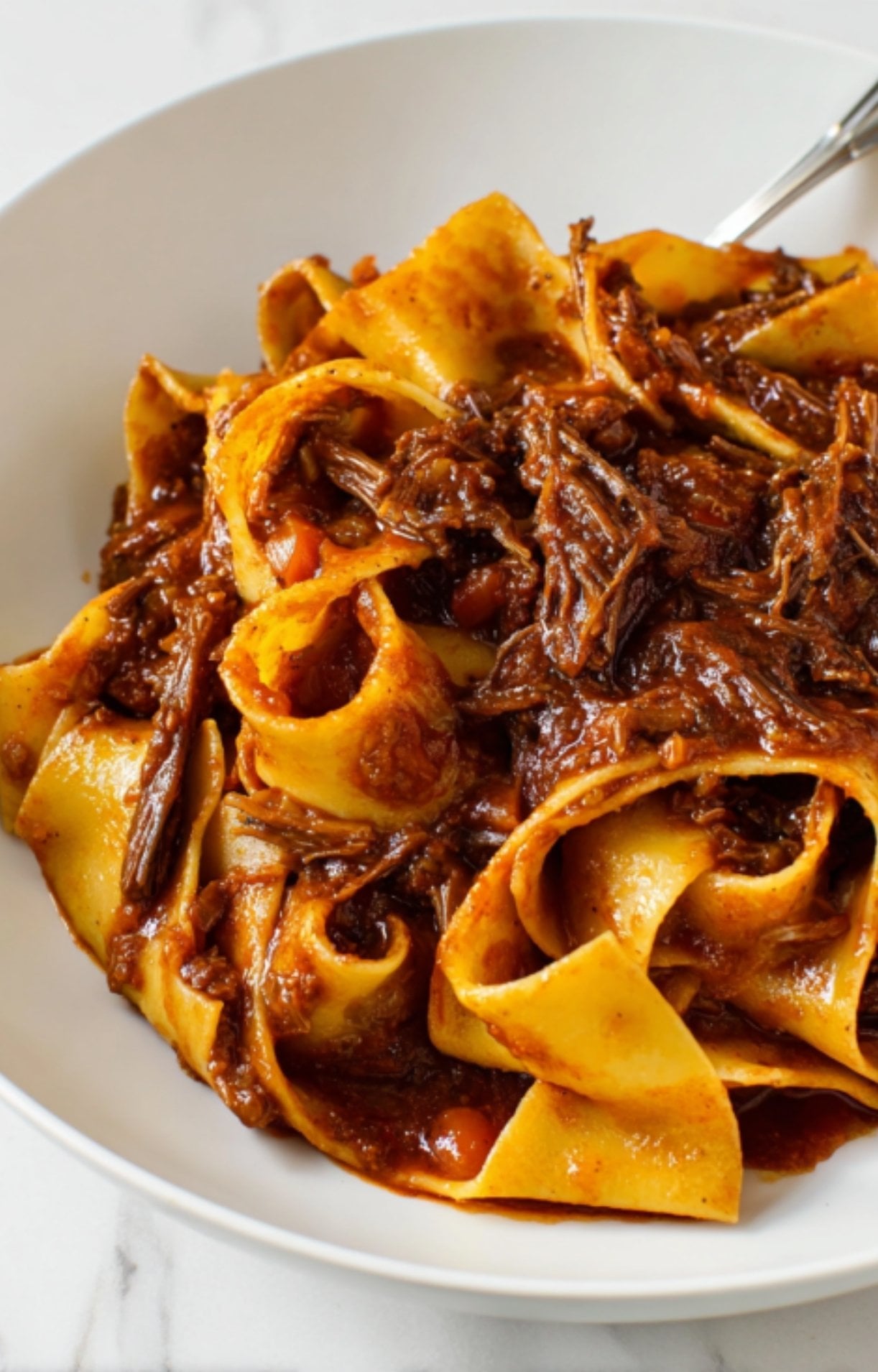
Hey, I’m Chloe! And if there is one pasta sauce that feels like pure comfort in a bowl, it is this beef cheek ragu. Rich. Slow-braised. Fall-apart tender. The kind of Sunday dinner that makes everyone linger at the table just a little longer.
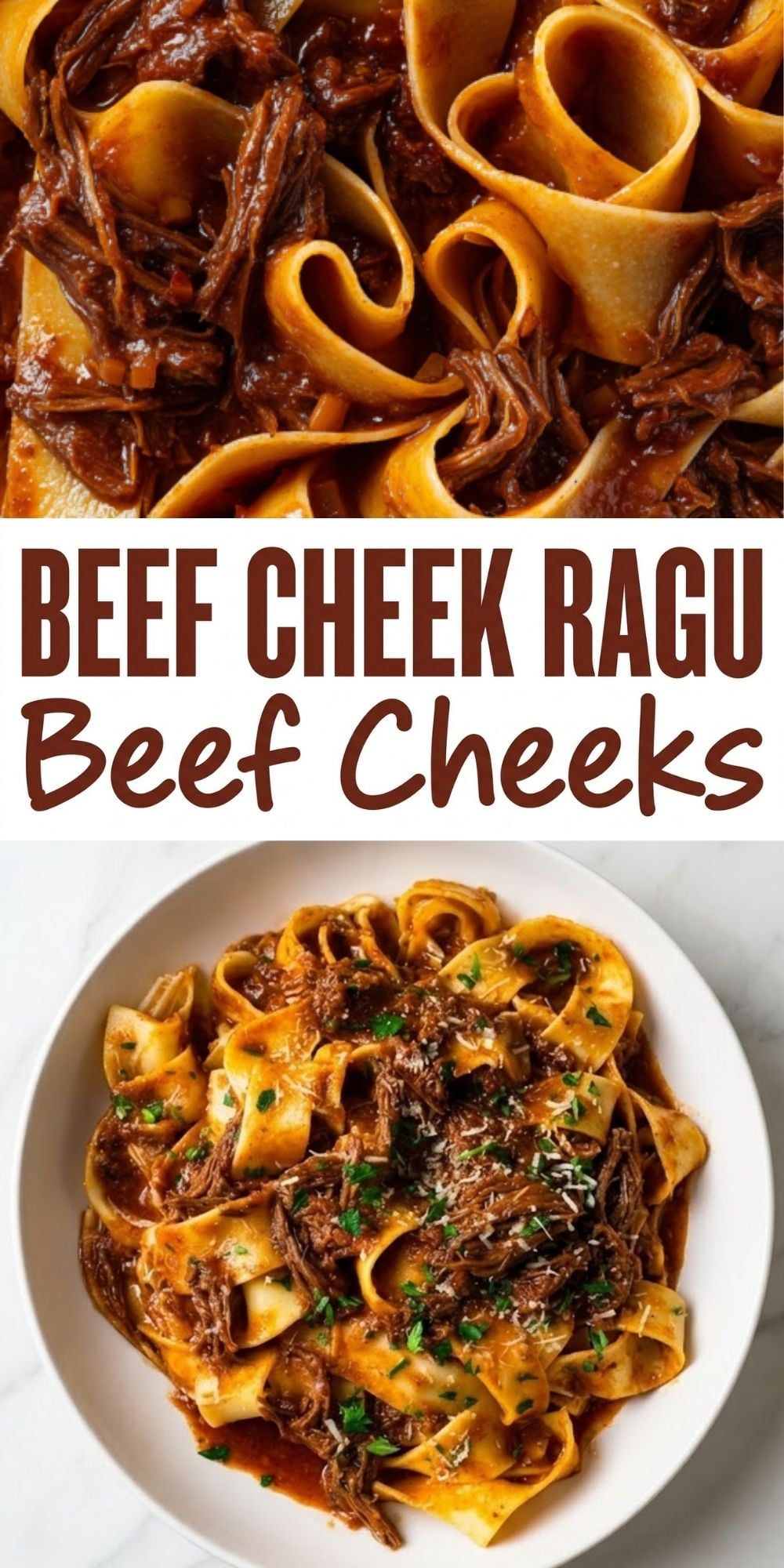
Here at Meat & Melt, you know I’m all about hearty, satisfying meals that bring people together. And this beef cheek ragu does exactly that. It looks impressive, tastes restaurant-worthy, but is actually so simple once you understand the process. The oven does most of the work, and you get a glossy, deeply flavorful sauce that clings perfectly to pasta.
Why Beef Cheek Ragu Is So Special
Beef cheeks are one of those underrated cuts that truly shine with slow cooking. They are naturally tough because they are a hardworking muscle, but that is exactly what makes them perfect for braising.
As they cook low and slow, all that connective tissue breaks down into silky richness. The result is meat that shreds effortlessly and melts into the sauce. It creates a beef cheek ragu that is deeply savory, slightly smoky from pancetta, balanced with tomatoes and red wine, and brightened at the end with lemon zest.
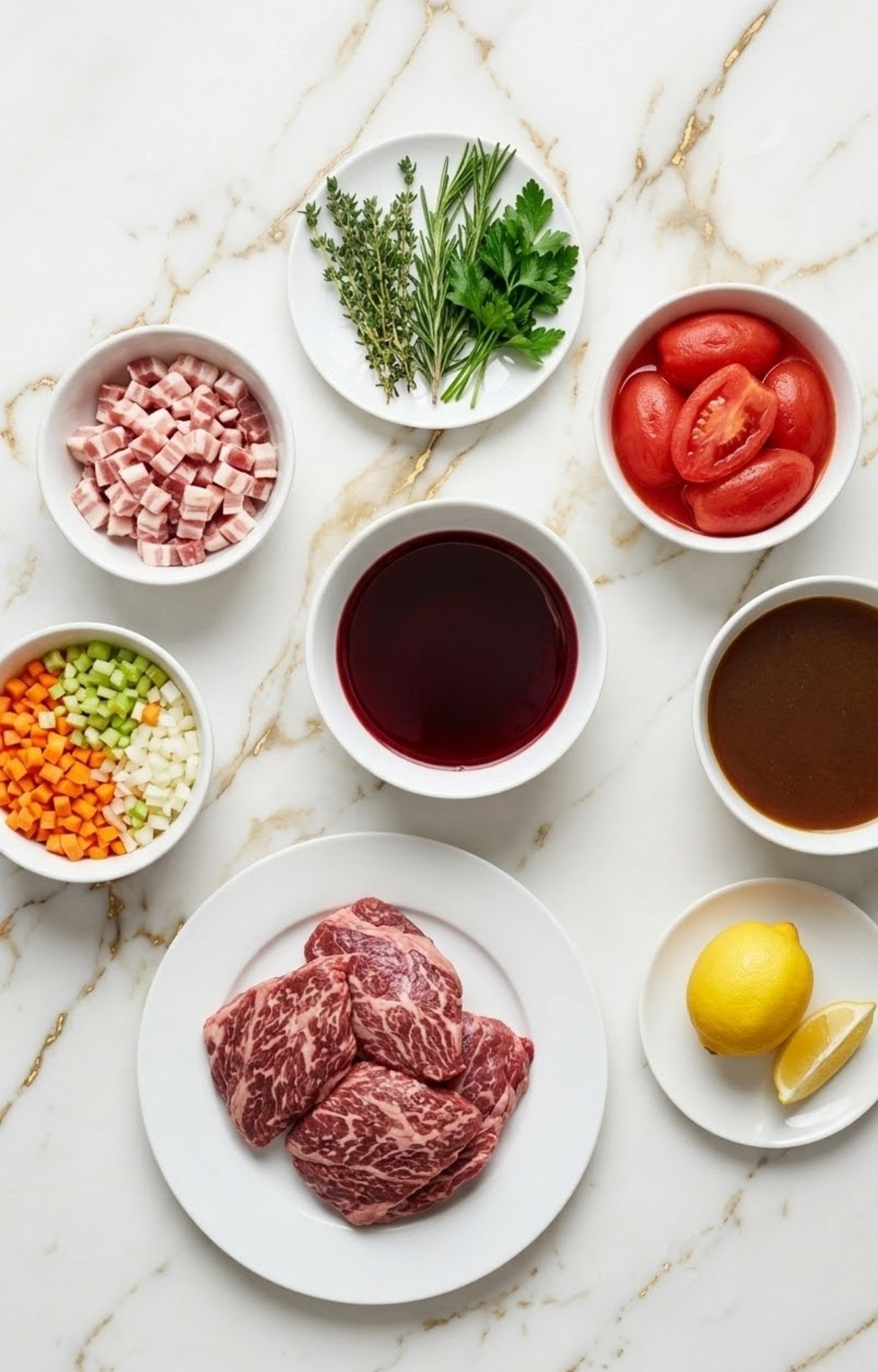
Ingredients That Make This Beef Cheek Ragu Shine
Beef Cheeks
This is the star. Look for 1 to 1.2 kg total, usually about three cheeks. Any butcher should carry them. They may look thick and dense at first, but trust the process.
Pancetta
This adds a subtle smoky, salty base. Thick-cut pancetta diced into small cubes works beautifully. If you cannot find pancetta, streaky bacon is a great substitute.
Soffrito
Finely chopped onion, carrot, and celery create that classic Italian flavor base. Do not rush this step. Let them soften gently.
Fresh Herbs
Rosemary and thyme add depth and warmth. Please use fresh if possible. It really does make a difference.
Red Wine
Use something drinkable but not fancy. A merlot or cabernet works perfectly. The wine adds body and richness.
Tomatoes and Beef Stock
These create the braising liquid that transforms everything into silky ragu.
Lemon
This might surprise you, but lemon zest and a small squeeze of juice at the end bring everything to life. It lifts the richness and makes the beef cheek ragu taste balanced instead of heavy.
For precise amounts, check the recipe card at the end of the post.
What Pasta Works Best?
Honestly, almost anything works.
- Pappardelle
- Tagliatelle
- Rigatoni
- Fresh pasta
- Dried pasta
I usually allow 100 grams dried pasta per person or 150 grams fresh.
The key is choosing a shape that can hold onto that rich beef cheek ragu.
Step-by-Step: How to Make Beef Cheek Ragu
Before you begin, preheat your oven to 160°C (320°F). This is a low and gentle braise.
1. Prepare the Beef
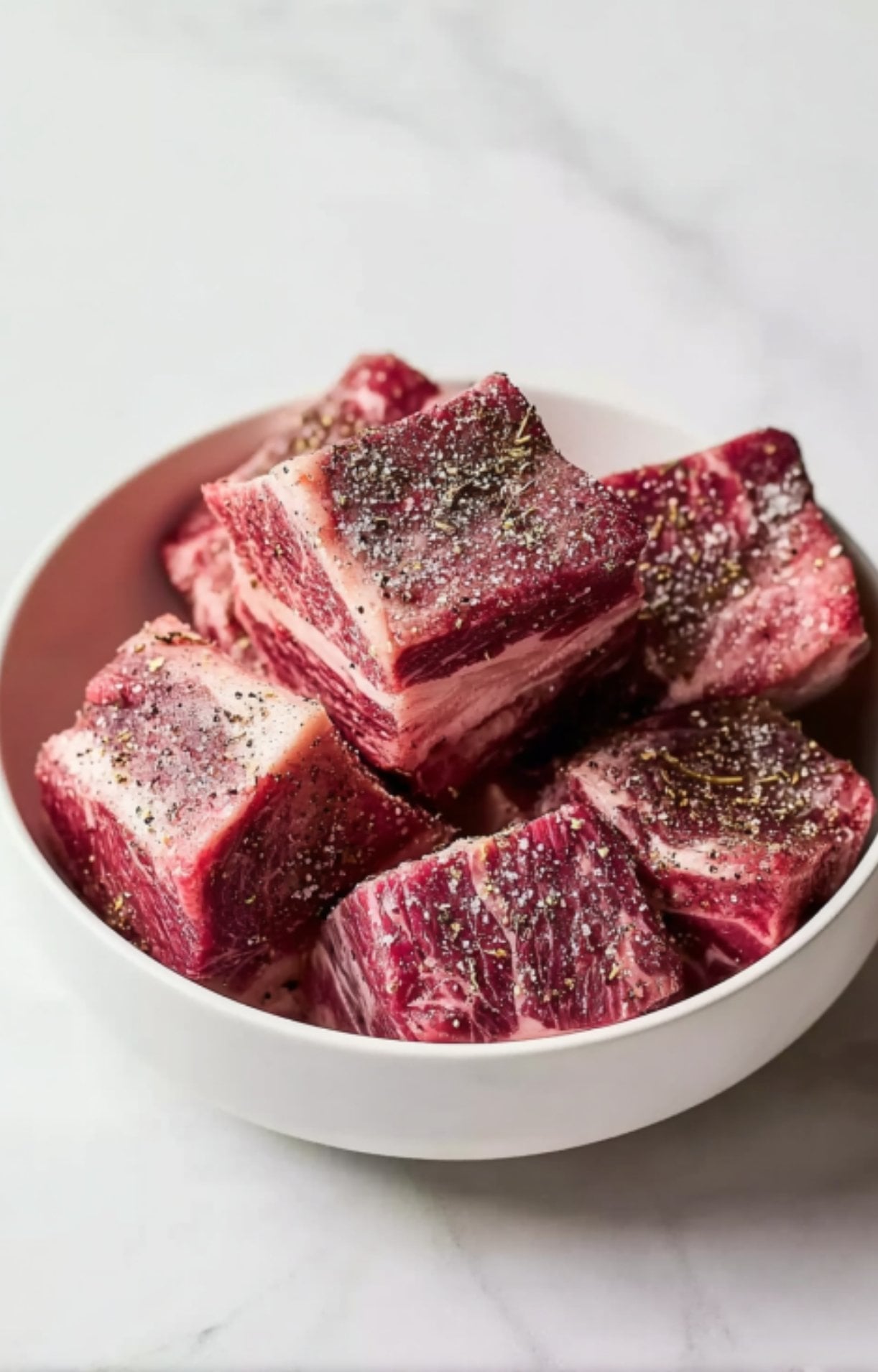
Pat the beef cheeks dry with paper towels. Season generously with salt and pepper.
2. Sear the Meat
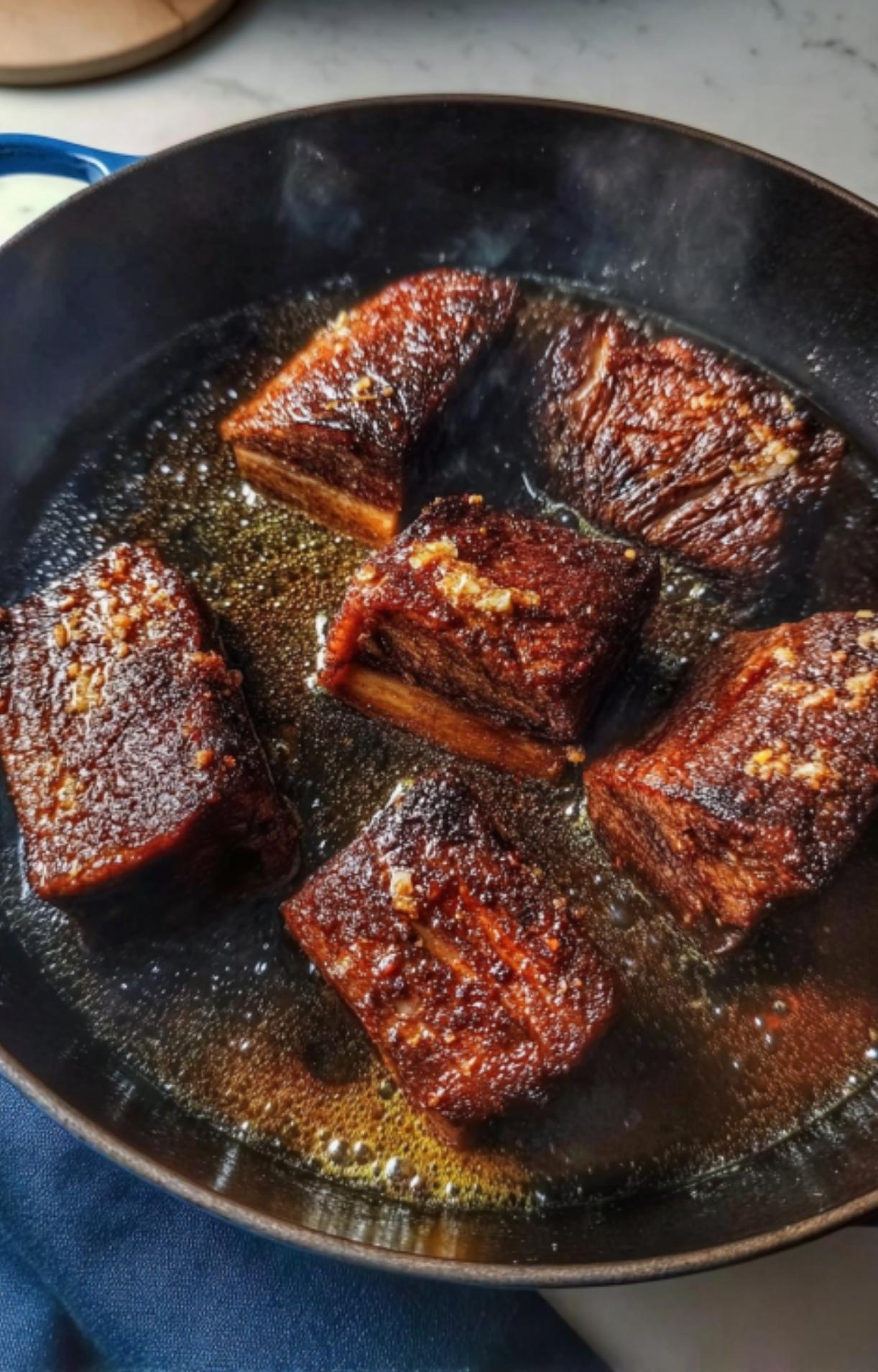
Heat olive oil in a heavy pan over medium-high heat. Sear the cheeks on all sides until deeply browned. Work in batches if needed. Set aside.
3. Cook the Pancetta
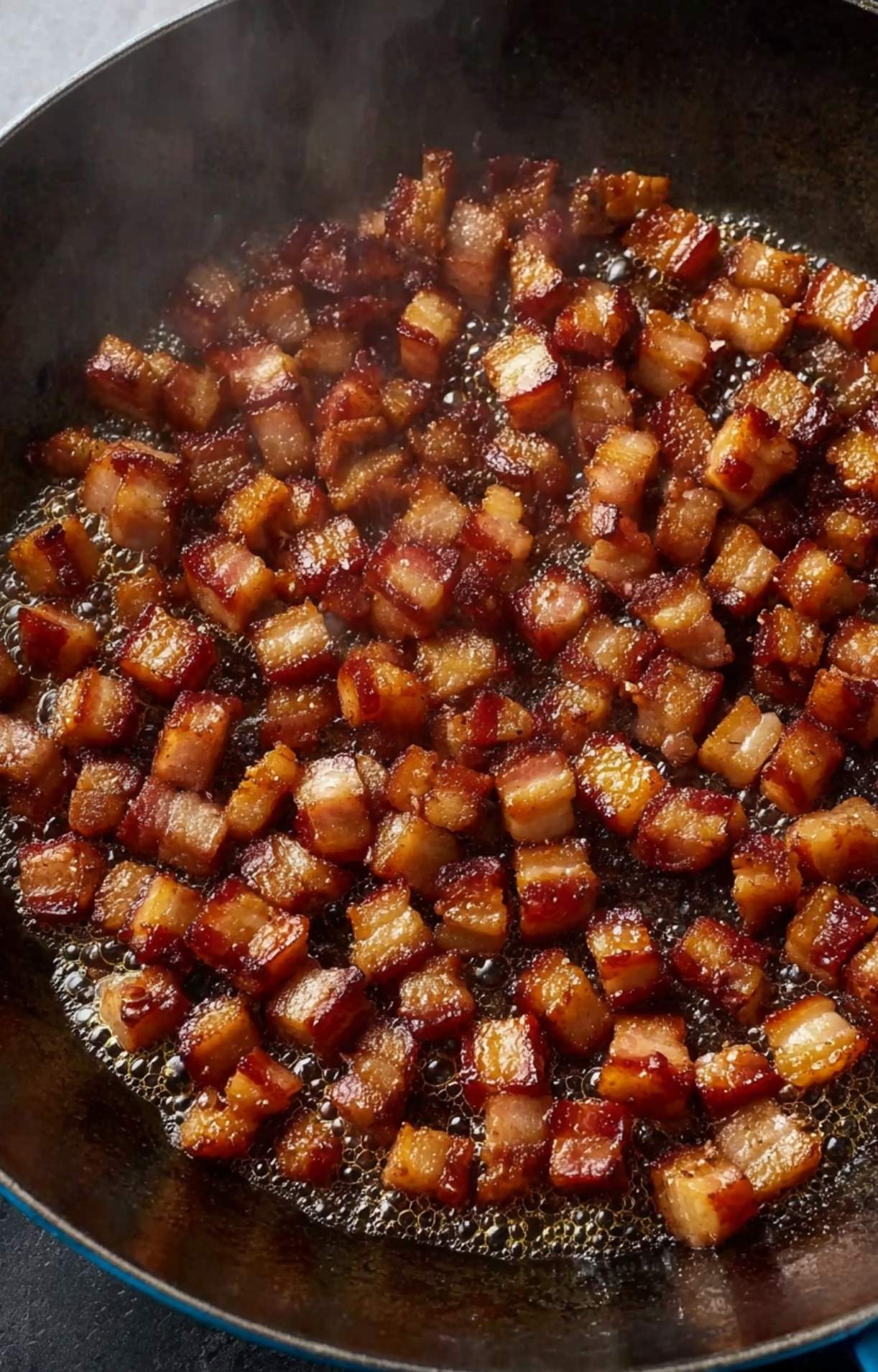
In a heavy ovenproof pot, cook pancetta until browned and slightly crisp. Remove with a slotted spoon but leave the fat behind.
4. Build the Flavor Base
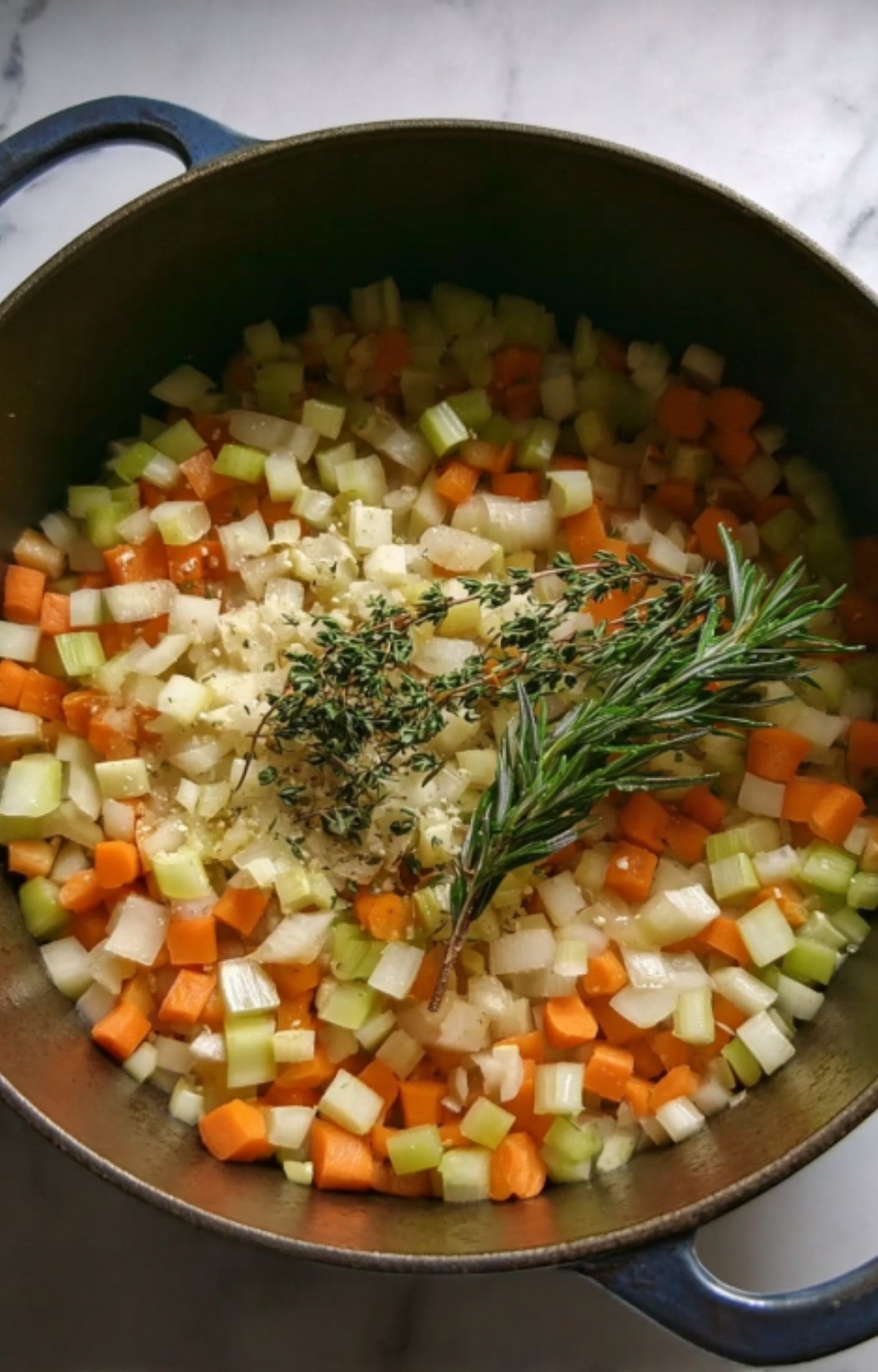
Add onion, carrot, celery, salt, and pepper. Cook over medium heat until soft, about 10 minutes. Add garlic and herbs halfway through.
5. Deglaze with Wine
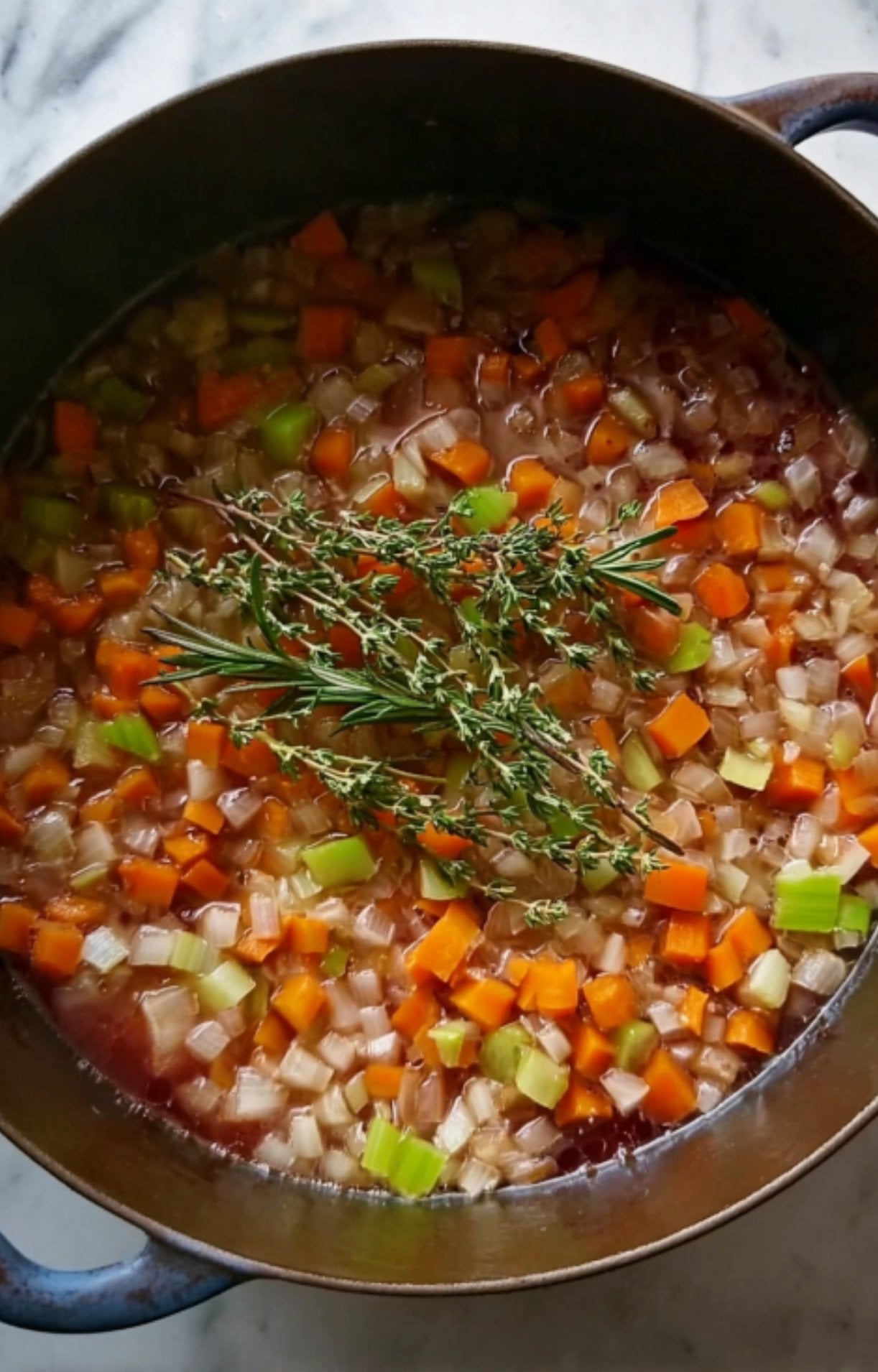
Pour in the red wine and let it simmer briefly to cook off the alcohol and concentrate the flavor.
6. Add Tomatoes and Stock
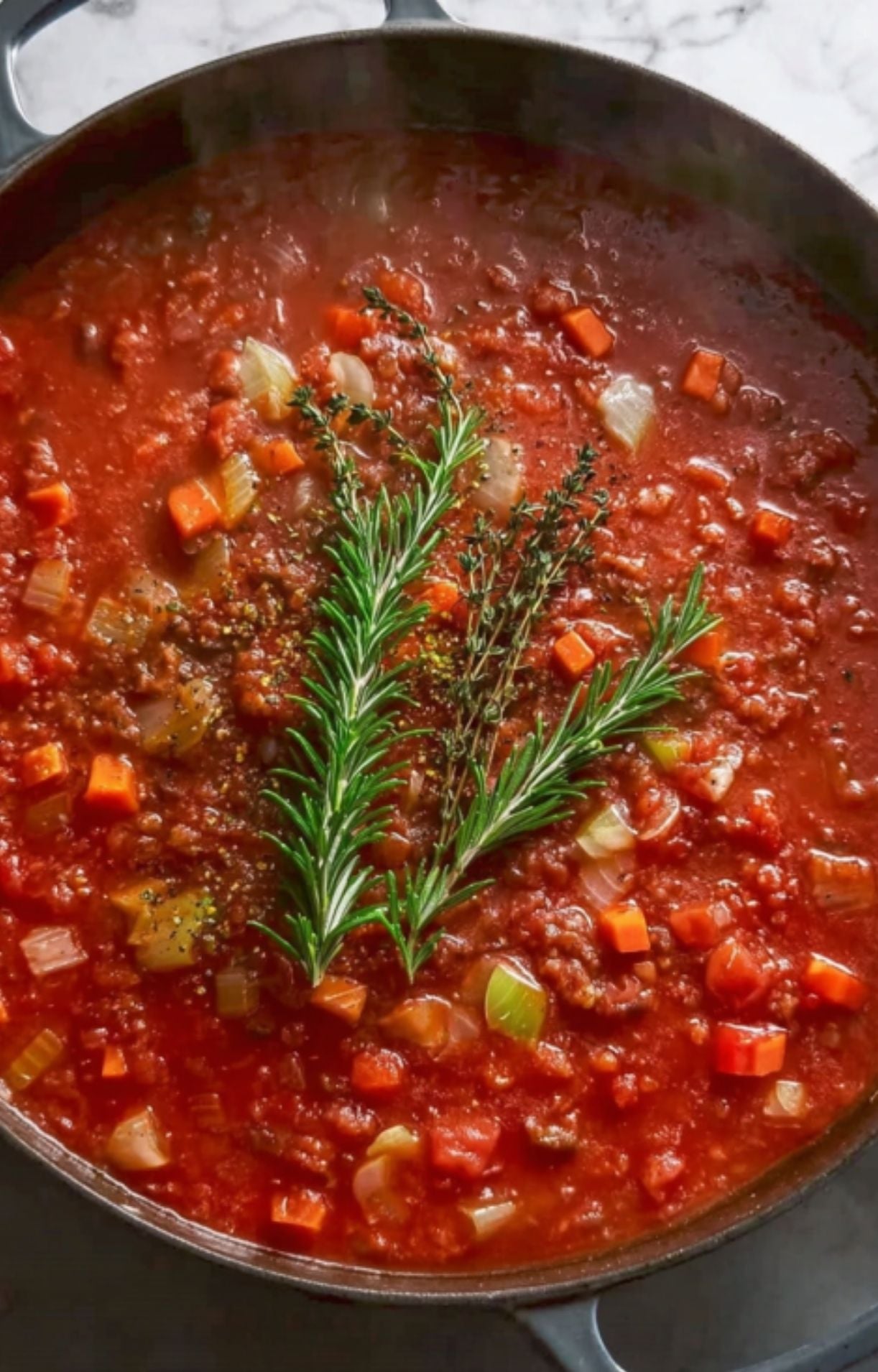
Stir in the tomatoes and beef stock. Bring to a gentle simmer.
7. Braise
Return the beef cheeks and pancetta to the pot. The meat should be mostly submerged. Cover and place in the oven for about 3 hours. Turn the cheeks halfway through.
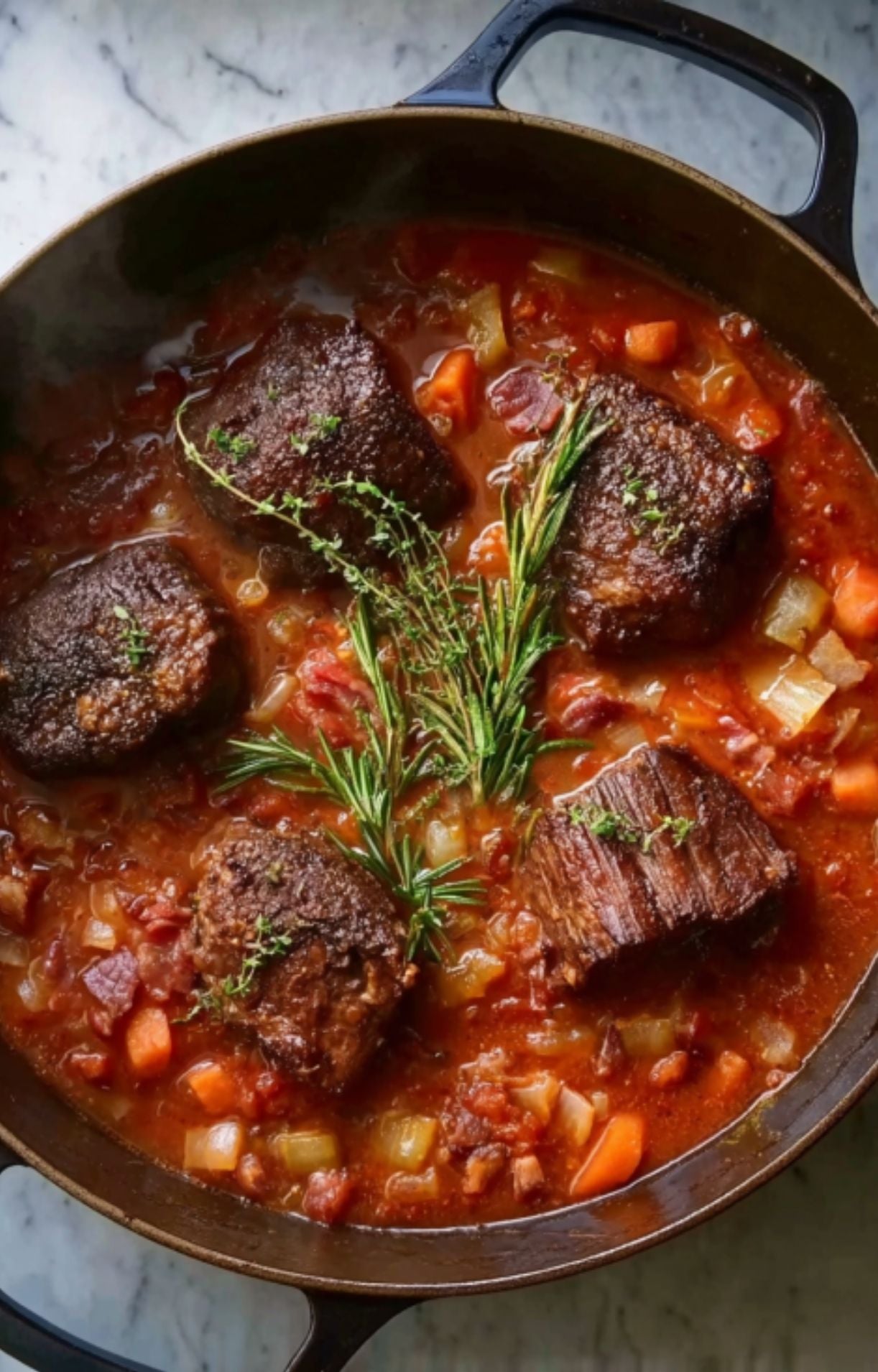
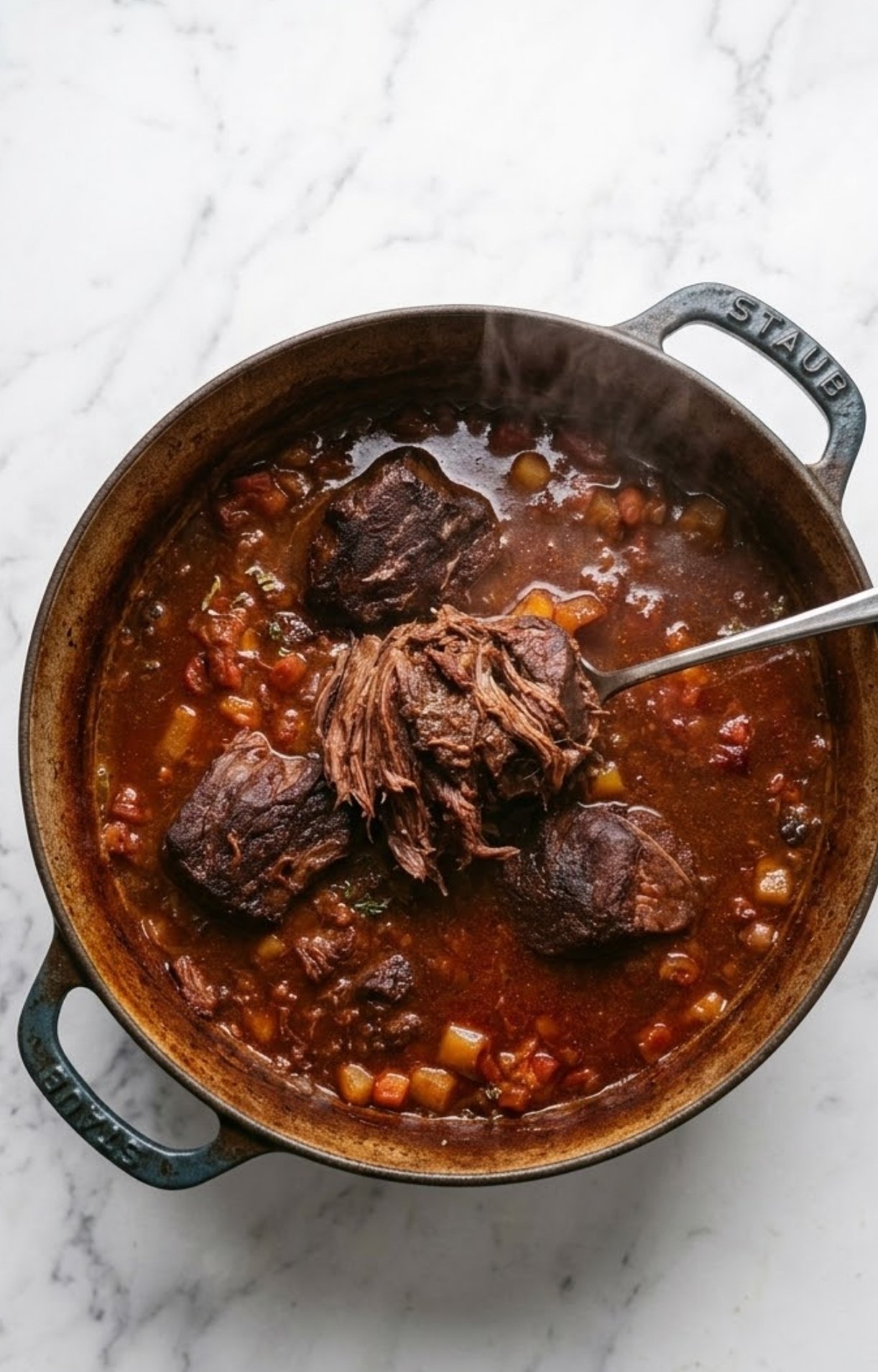
They are ready when they fall apart easily with two forks.
8. Shred and Finish
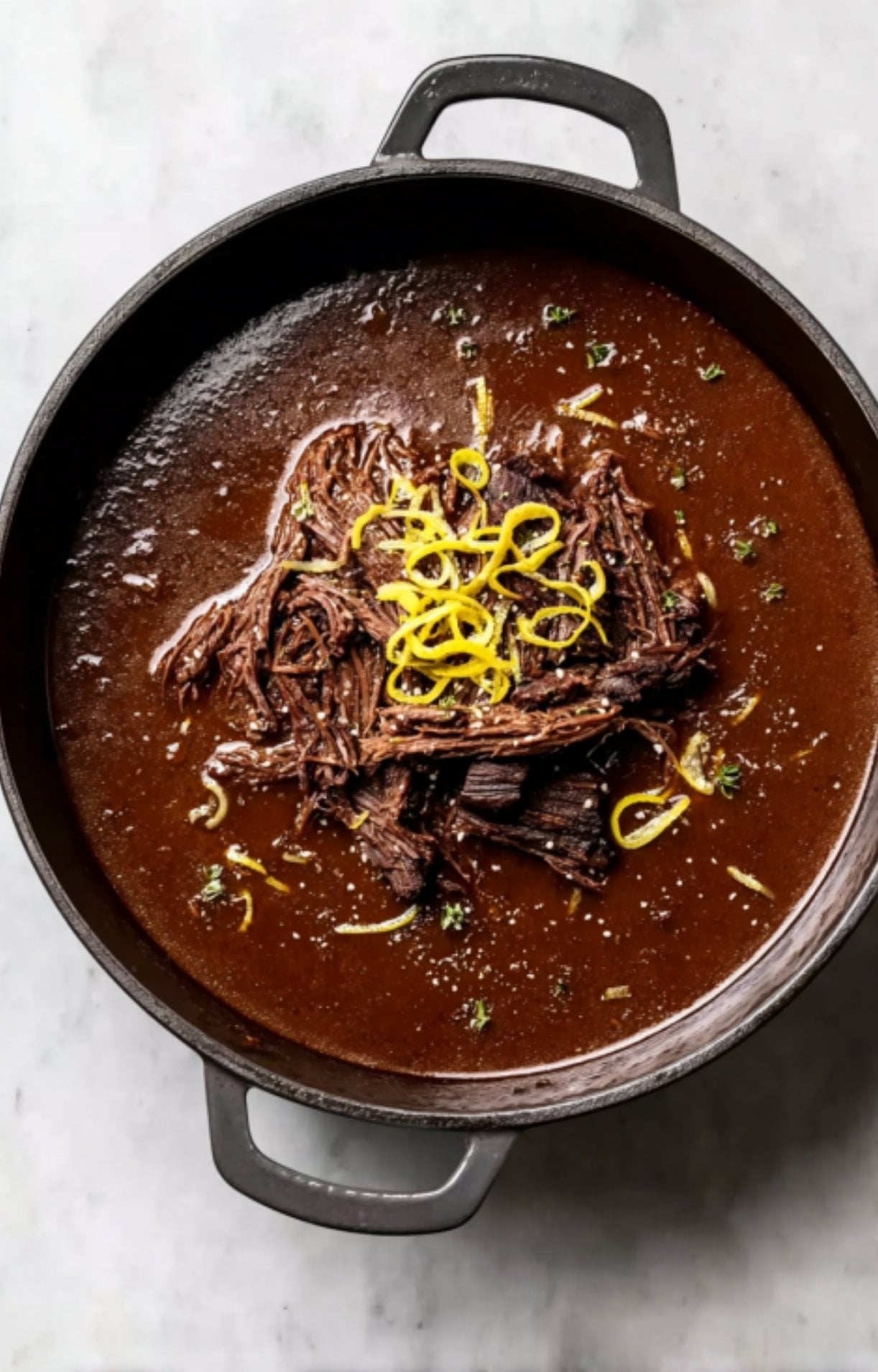
Remove the cheeks and shred them. Use a stick blender to blend the sauce if you prefer it smooth, or leave it rustic. Return the meat to the pot. Add lemon juice and adjust seasoning.
How to Serve Beef Cheek Ragu
Cook your pasta in well-salted boiling water.
In a large pan, warm the amount of ragu you plan to use. For every two portions, stir in:
- 30 g butter
- 20 g finely grated Parmesan
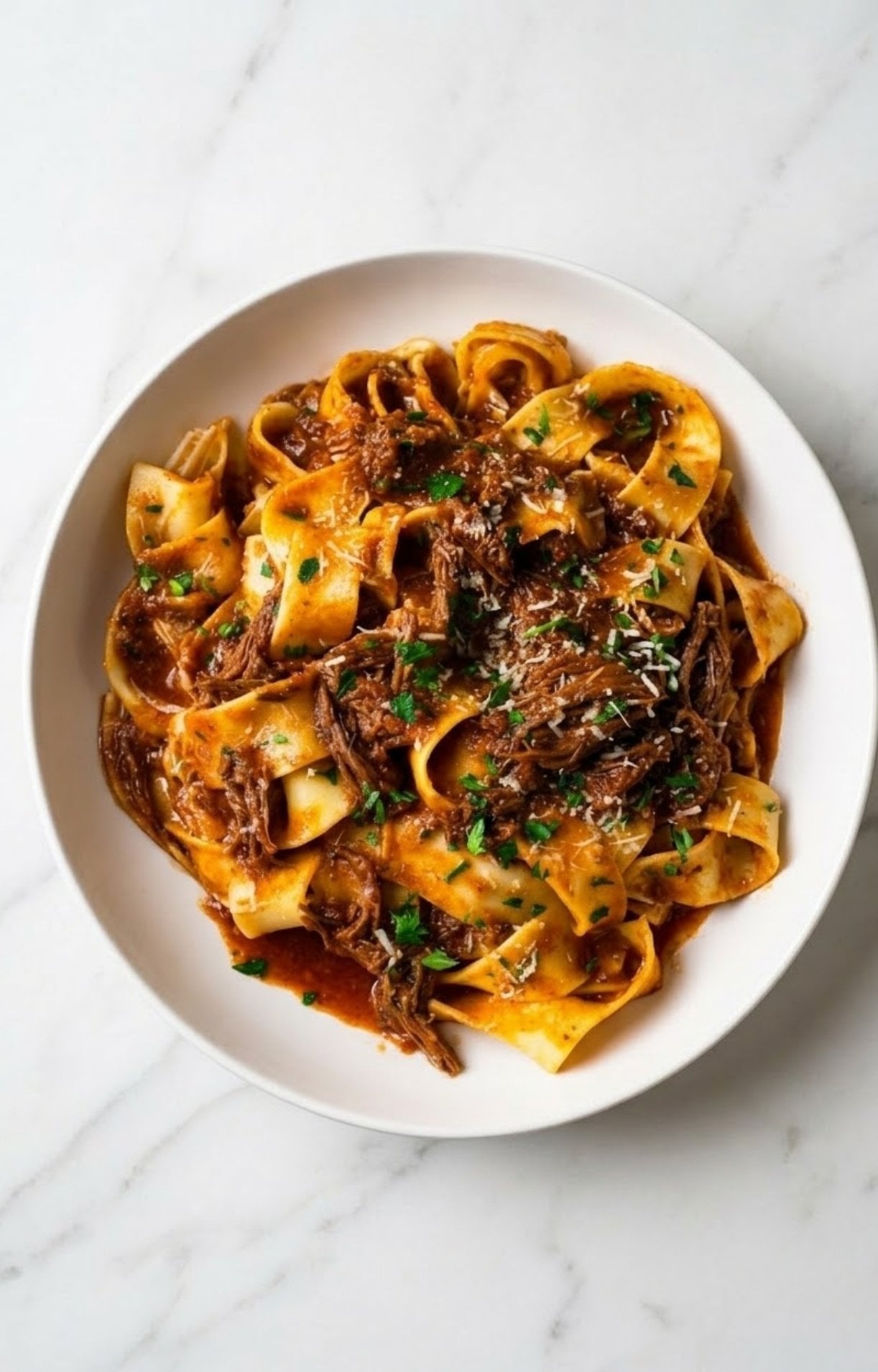
Add the cooked pasta and a splash of pasta water. Let it gently simmer together for a minute or two.
Finish with:
- Freshly grated lemon zest
- Chopped flat-leaf parsley
- Extra Parmesan
It should look glossy, rich, and comforting.

Beef Cheek Ragu
Rich, slow-braised, and fall-apart tender, this beef cheek ragu is pure comfort in a bowl. A deeply savory red wine pasta sauce with pancetta, herbs, and tomatoes, finished with bright lemon for balance. Perfect for cozy family dinners and impressive yet simple entertaining.
Ingredients
- 1 to 1.2 kg beef cheeks
- Salt and pepper
- Olive oil
- 140 g thick pancetta, cut into small lardons
- 1 small brown onion, finely chopped
- 1 stalk celery, finely chopped
- 1 carrot, finely chopped
- 5 to 6 garlic cloves, minced
- 1 tablespoon fresh rosemary, finely chopped
- 1 tablespoon fresh thyme, finely chopped
- 500 ml red wine
- 1 x 400 g tin tomatoes
- 500 ml beef stock
- Pasta of choice
- ½ to 1 cup fresh flat-leaf parsley
- Zest of 1 lemon plus 1 tablespoon juice
- 3 tablespoon butter
- Parmesan cheese
Instructions
- Preheat oven to 160°C (320°F).
- Pat beef cheeks dry with paper towels and season generously with salt and pepper.
- Heat olive oil in a heavy pan over medium-high heat and sear beef cheeks on all sides until deeply browned. Work in batches if needed. Remove and set aside.
- In a heavy ovenproof pot, cook pancetta until browned and slightly crisp. Remove with a slotted spoon and leave the rendered fat in the pot.
- Add onion, carrot, celery, salt, and pepper. Cook over medium heat until softened, about 10 minutes. Add garlic, rosemary, and thyme halfway through.
- Pour in red wine and let it simmer briefly to cook off the alcohol and concentrate flavor.
- Stir in tomatoes and beef stock and bring to a gentle simmer.
- Return beef cheeks and pancetta to the pot. Ensure meat is mostly submerged. Cover and braise in the oven for about 3 hours, turning halfway through, until meat falls apart easily.
- Remove beef cheeks and shred with two forks. Blend sauce with a stick blender if a smooth texture is preferred or leave rustic. Return shredded beef to the pot, add lemon juice, and adjust seasoning.
- Cook pasta in well-salted boiling water. Warm ragu in a large pan, add butter and Parmesan, then toss with cooked pasta and a splash of pasta water. Simmer together briefly and finish with lemon zest, parsley, and extra Parmesan.
Notes
Even better made one day ahead as flavors deepen overnight. Store refrigerated up to 4 days or freeze up to 3 months and reheat gently. Slightly undercook pasta before finishing in sauce for best texture and a glossy finish.
Nutrition Information
Serving Size 1 servingAmount Per Serving Calories 650Total Fat 32gSaturated Fat 14gTrans Fat 0.5gUnsaturated Fat 16gCholesterol 165mgSodium 720mgCarbohydrates 38gFiber 4gSugar 6gProtein 48g
My Best Tips for Incredible Beef Cheek Ragu
- Make It Ahead: This beef cheek ragu tastes even better the next day. The flavors deepen overnight. Store it in the fridge and gently reheat, adding a splash of stock or pasta water if needed.
- Brown Properly: Take your time searing the beef cheeks. That golden crust equals flavor.
- Do Not Waste the Pancetta Fat: That rendered fat is liquid gold. Cook your onion mixture in it.
- Slightly Undercook the Pasta: Finish cooking the pasta in the sauce with a splash of pasta water. That is how you get that glossy, clingy finish
- Warm Your Plates: It sounds simple, but warm plates keep pasta hot longer when serving guests.
Storage and Freezing
Refrigerator: Up to 4 days in an airtight container.
Freezer: Up to 3 months.
Thaw overnight in the fridge and reheat gently on the stove.
FAQ
Yes. Sear the beef and pancetta first, then transfer everything to a slow cooker. Cook on low for 6 to 8 hours until tender.
Yes. Sear using sauté mode, then pressure cook for about 60 to 75 minutes with natural release. You may need to reduce the sauce slightly afterward.
Simmer uncovered on the stove until it reduces and thickens.
The richness of slow-braised beef benefits from acidity. Lemon zest and juice brighten the sauce and balance the depth of flavor.

Leave a Reply