
Hey, I’m Chloe! Welcome back to Meat & Melt. If you love a juicy rib eye as much as I do but also want to make smart choices for your health, this post is written just for you. I’ll walk you through rib eye steak nutrition in an approachable way, explain what those nutrition numbers mean, compare rib eye to other cuts, give tips for making it a healthier meal, and share an easy pan-seared rib eye recipe with nutrition estimates you can use in planning your meals. I write like I’m sitting across the counter from you, sharing what I’ve learned after years of testing recipes and feeding hungry family dinners.
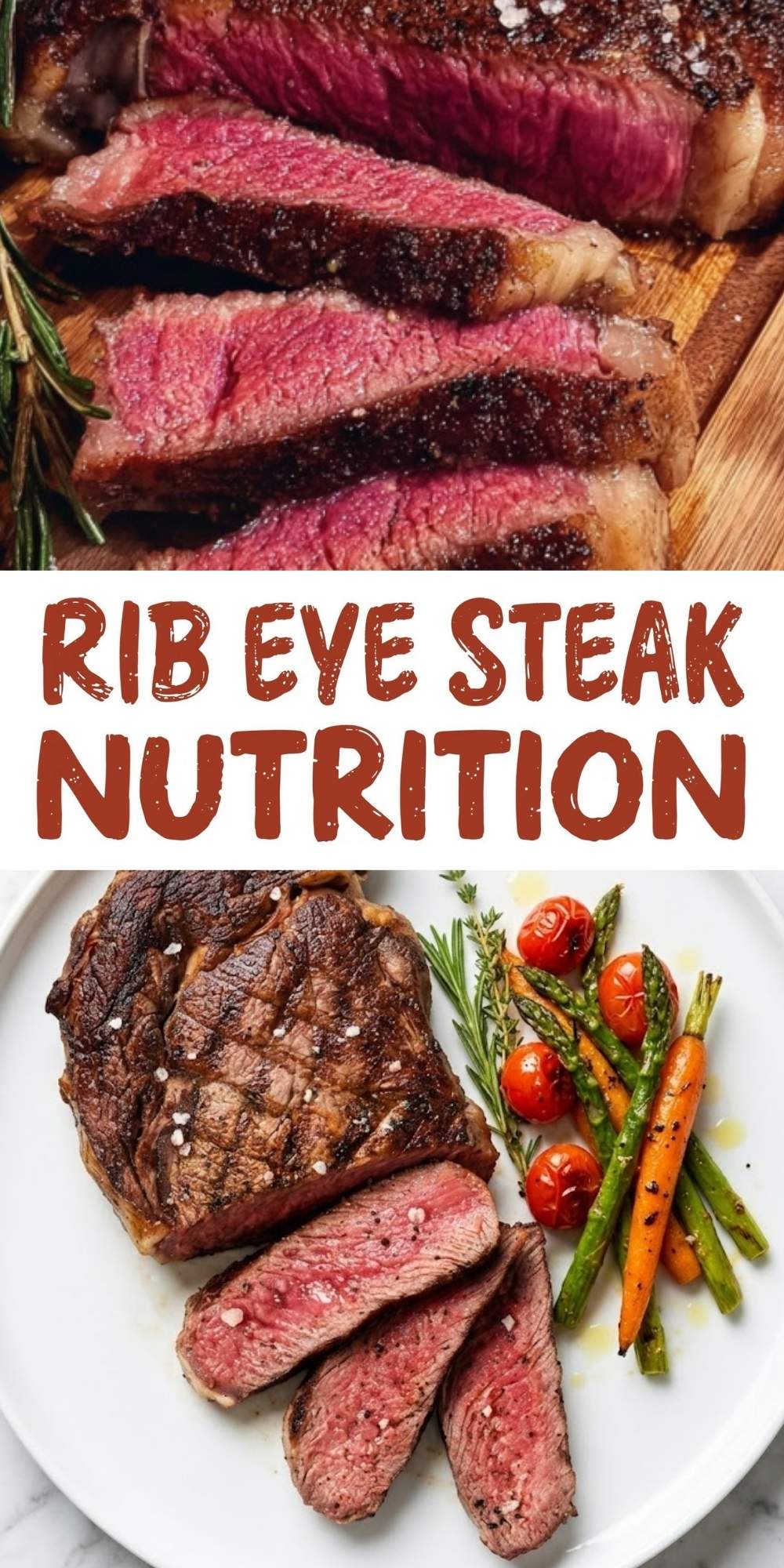
What exactly is a rib eye?
Rib eye comes from the cow’s rib primal. It’s prized for the fat marbling running through the meat. That fat melts while cooking and makes the steak tender and deeply flavored. You’ll see rib eye sold boneless or bone-in, labeled as rib eye, rib-eye, Delmonico, or Scotch fillet in some regions.
Why the marbling matters
Marbling is the intramuscular fat streaks that give rib eye its richness. Fat equals flavor and moisture. But that same fat also increases calorie and saturated fat counts, so it’s the reason rib eye is nutritionally denser than leaner steaks.
Rib eye nutrition — the numbers (per 100 grams)
Here are the approximate values you’ll see referenced for rib eye nutrition per 100 grams:
- Calories: 275
- Protein: 26 g
- Total fat: 20 g (includes saturated fat)
- Iron: 2.6 mg
- Zinc: 5.1 mg
- Vitamin B12: 2.9 mcg
Those values capture the core strengths of rib eye: good protein and several important micronutrients, alongside a higher calorie and fat load than leaner cuts. These figures are useful for comparing cuts and estimating intake for common portion sizes. (Source material in your original guide informed these values.) tone voice
Rib Eye Nutrition Facts Label (per 100g)
| Nutrient | Amount |
|---|---|
| Calories | 275 kcal |
| Total Fat | 20 g |
| Saturated Fat | 8 g |
| Cholesterol | 66 mg |
| Sodium | 66 mg |
| Carbohydrates | 0 g |
| Fiber | 0 g |
| Sugar | 0 g |
| Protein | 26 g |
| Iron | 2.6 mg |
| Zinc | 5.1 mg |
| Vitamin B12 | 2.9 mcg |
Rib eye has zero carbs and zero fiber — it’s a pure protein-and-fat cut, which is why it
fits keto and low-carb plans without any adjustment.
What those nutrients do for you
- Protein (26 g/100 g): Builds and repairs muscle, supports immune function, and helps you feel full after a meal.
- Iron (2.6 mg/100 g): Heme iron in beef is highly bioavailable and helps carry oxygen in your blood.
- Zinc (5.1 mg/100 g): Important for immune health and wound healing.
- Vitamin B12 (2.9 mcg/100 g): Supports nervous system health and red blood cell formation.
- Fat: Provides energy and helps absorb fat-soluble vitamins, but saturated fat should be consumed in moderation.
Portion math you can actually use
Most restaurant steaks are between 8 and 12 ounces cooked weight. To turn the 100 g nutrition values into a useful serving estimate, here’s a practical example for an 8-ounce (about 227 g) rib eye:
Calculate calories for 227 g:
- 275 calories per 100 g × 2.27 = 275 × 2.27 = 550 + 74.25 = 624.25 calories (approx 624 kcal)
Protein for 227 g:
- 26 g protein per 100 g × 2.27 = 26 × 2.27 = 52 + 7.02 = 59.02 g protein (approx 59 g)
Total fat for 227 g:
- 20 g fat per 100 g × 2.27 = 20 × 2.27 = 40 + 5.4 = 45.4 g fat (approx 45 g)
Micronutrients (approx):
- Vitamin B12: 2.9 mcg × 2.27 = 6.58 mcg
- Iron: 2.6 mg × 2.27 = 5.90 mg
- Zinc: 5.1 mg × 2.27 = 11.58 mg
Those numbers show why a single hearty rib eye can cover a big chunk of your daily protein and a decent share of B12, iron, and zinc — but it also explains the calorie and fat density you should plan around.
Rib Eye Calories and Protein by Serving Size
| Serving | Calories | Protein | Fat |
|---|---|---|---|
| 100 g | 275 kcal | 26 g | 20 g |
| 3 oz (85 g) | 234 kcal | 22 g | 17 g |
| 4 oz (113 g) | 311 kcal | 29 g | 23 g |
| 6 oz (170 g) | 468 kcal | 44 g | 34 g |
| 8 oz (227 g) | 624 kcal | 59 g | 45 g |
| 12 oz (340 g) | 935 kcal | 88 g | 68 g |
| 1 lb (454 g) | 1,249 kcal | 118 g | 91 g |
Figures are for cooked rib eye and rounded to the nearest whole number. Trimming visible
fat before cooking will lower the fat and calorie totals.
Rib eye vs other common cuts
If you are comparing rib eye to leaner options:
- Rib eye: High flavor and fat, high calories. Best when you want a rich steak meal and you control portion size.
- Sirloin: Lower fat and calories, still good flavor. Easier to fit into moderate-calorie plans.
- Tenderloin (filet): One of the leaner, tender choices with lower calories and less fat.
Choose rib eye when flavor is top priority and you’re planning a balanced plate. Choose leaner cuts if you need to limit calories or saturated fat while keeping protein high.

Rib Eye Steak Nutrition
If you love a juicy rib eye but also want to make smart nutrition choices, this practical guide breaks down rib eye steak nutrition, portion math, and an easy pan-seared method you can use any night of the week. High in protein, iron, zinc, and B12, rib eye is rich and flavorful thanks to its marbling, so portion control and balanced sides are key.
Ingredients
- 1 rib eye steak about 8 ounces 227 g
- Salt and freshly ground black pepper
- 1 tablespoon olive oil or avocado oil
- Optional 1 clove garlic smashed
- Optional fresh thyme or rosemary sprig
- Optional lemon wedge or chimichurri for serving
Instructions
- Remove steak from the fridge and let sit at room temperature 30 minutes then pat dry.
- Season both sides generously with salt and pepper.
- Heat a heavy skillet on high until very hot and add oil.
- Sear steak 3 to 4 minutes per side for medium rare adjusting for thickness.
- Add garlic and herbs during the last minute if using.
- Rest 5 to 10 minutes then slice against the grain and serve with vegetables and a whole grain.
Notes
Nutrition estimates are based on typical rib eye values per 227 g cooked portion and will vary by trimming and cooking loss. For a lighter meal split the steak into two servings and pair with high fiber vegetables. Use an instant read thermometer and aim for 125 F to 130 F for medium rare.
Nutrition Information
Serving Size 227 gAmount Per Serving Calories 624Total Fat 45gSaturated Fat 18gTrans Fat 0gUnsaturated Fat 24gCholesterol 150mgSodium 150mgCarbohydrates 0gFiber 0gSugar 0gProtein 59g
How rib eye fits into different eating styles
- Keto: Excellent — high fat and protein, zero carbs.
- Paleo: Fits perfectly as a whole-food animal protein.
- Balanced/Calorie-Controlled: Works if you portion the steak (4 to 6 ounces) and add bulk with vegetables and whole grains.
Health considerations and moderation
Rib eye contains more saturated fat than lean cuts. Eating it occasionally as part of a varied diet is a reasonable approach for most people. If you have specific heart health concerns, chat with a registered dietitian or your healthcare provider about how often rib eye should appear on your meal plan.
Preparation tips to keep the meal smart
- Trim visible fat before cooking if you want to reduce total fat.
- High-heat sear or grill to build flavor without extra sauces.
- Oil choice: Use a small amount of olive oil or avocado oil for searing.
- Let excess juices rest on the cutting board so you can drain and portion as needed.
- Serve with vegetables like roasted Brussels sprouts or a big green salad to add fiber, vitamins, and volume to the plate.
Flavor-forward, lighter finishing ideas
- Finish with a squeeze of lemon for brightness instead of a heavy butter sauce.
- Make a chimichurri from parsley, garlic, red wine vinegar, and a drizzle of olive oil — it adds big flavor and fresh herbs.
- Serve with a side of sweet potato or quinoa rather than fries to add fiber and a slower-burning carb.
Buying tips for the best rib eye
- Marbling first: Look for even white streaks of fat through the meat.
- Thickness: Aim for at least 1 inch for an easier sear and better temperature control.
- Grass-fed vs grain-fed: Grass-fed can be leaner with a different flavor profile and sometimes higher omega-3s. Grain-fed tends to be richer and more buttery in taste.
Simple pan-seared rib eye
This is my go-to quick method to get a beautiful sear and juicy center. It uses minimal ingredients and takes under 20 minutes from pan to plate.
Instructions
- Bring steak to room temperature for 30 minutes. Pat dry and generously salt both sides.
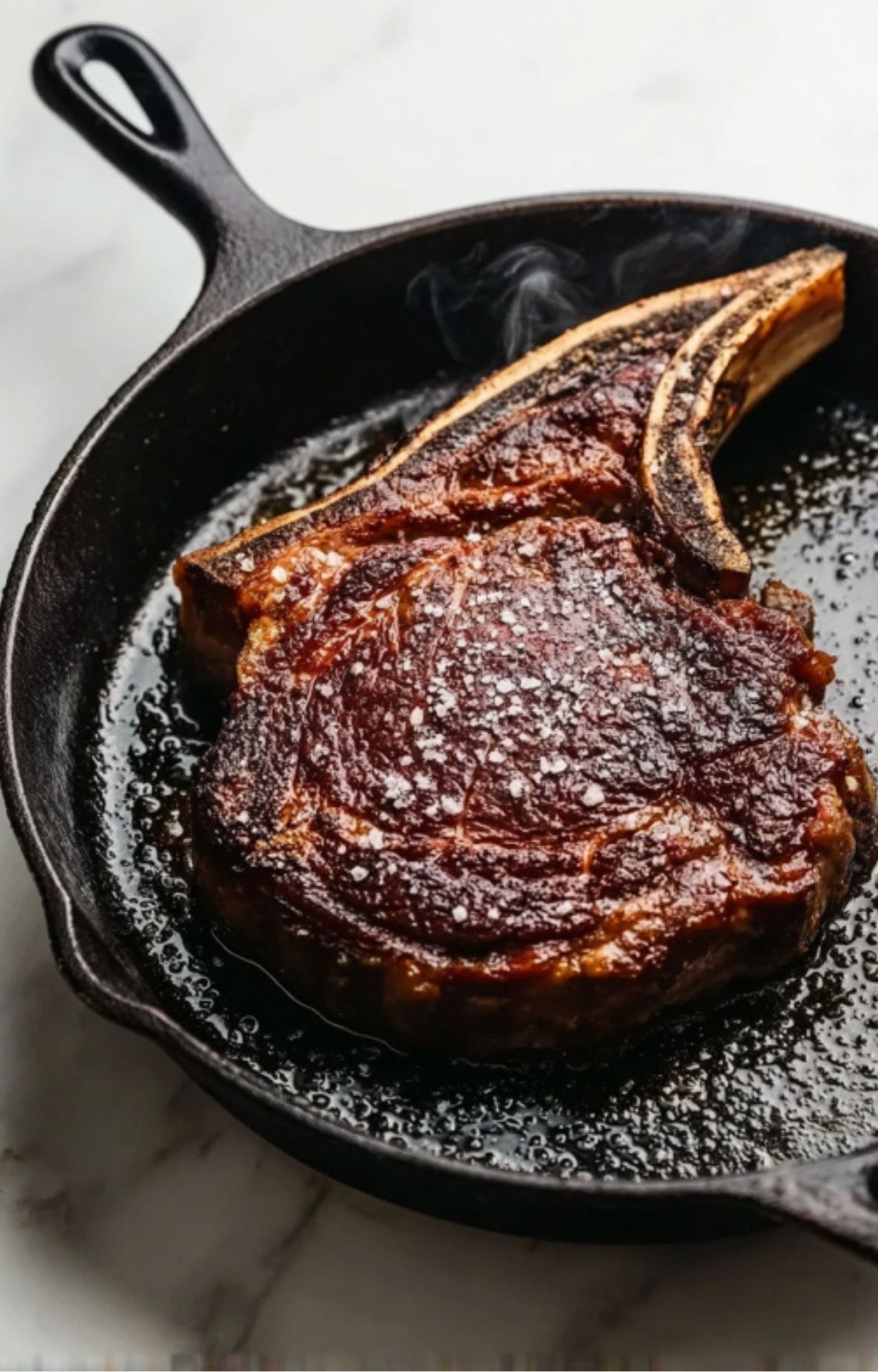
- Heat a heavy skillet on high until very hot. Add a tablespoon of oil.
- Sear steak 3 to 4 minutes per side for medium-rare depending on thickness. Use a thermometer for accuracy: 130°F for medium-rare.
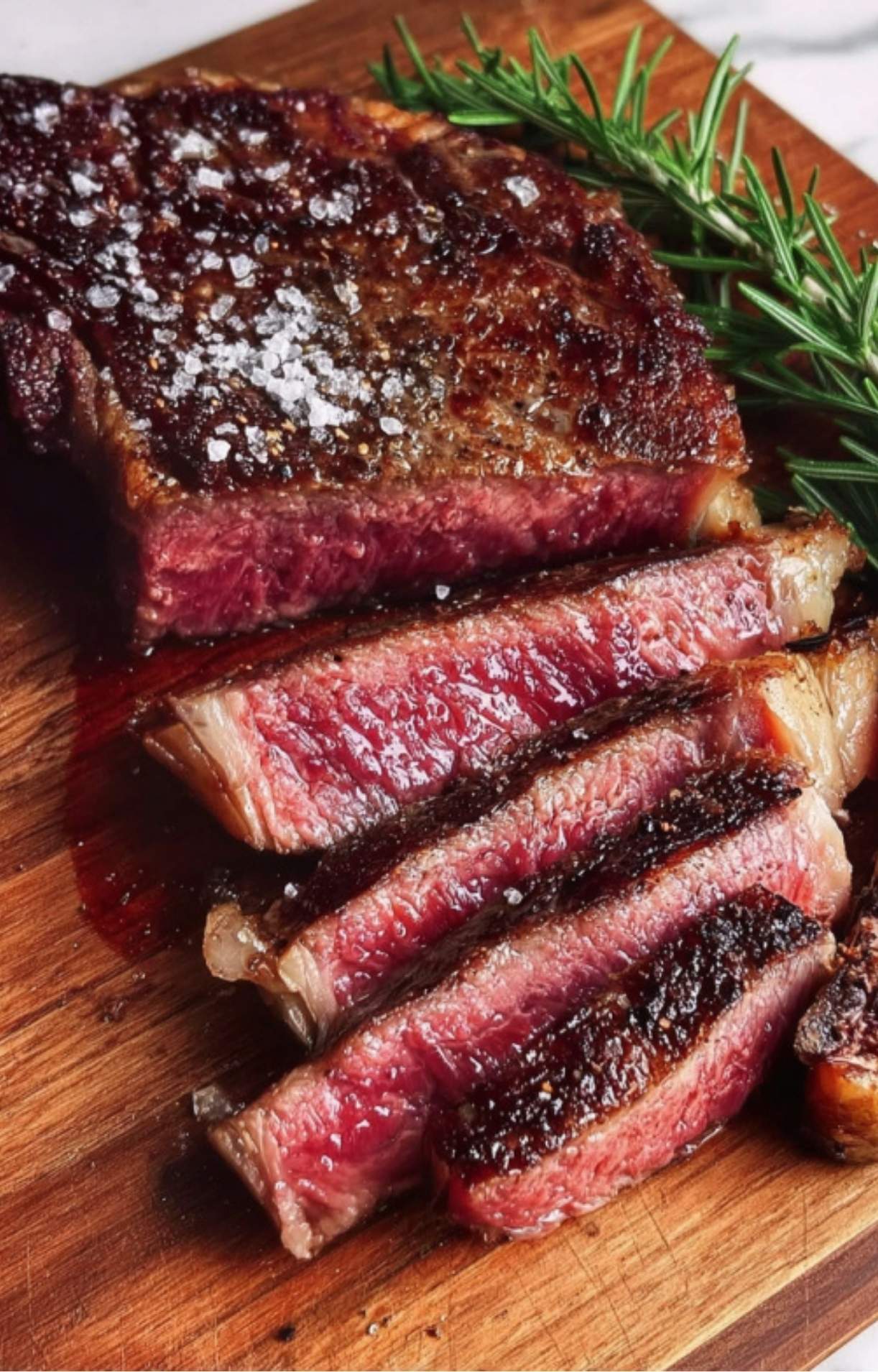
- Rest the steak 5 to 10 minutes before slicing to keep juices locked in.
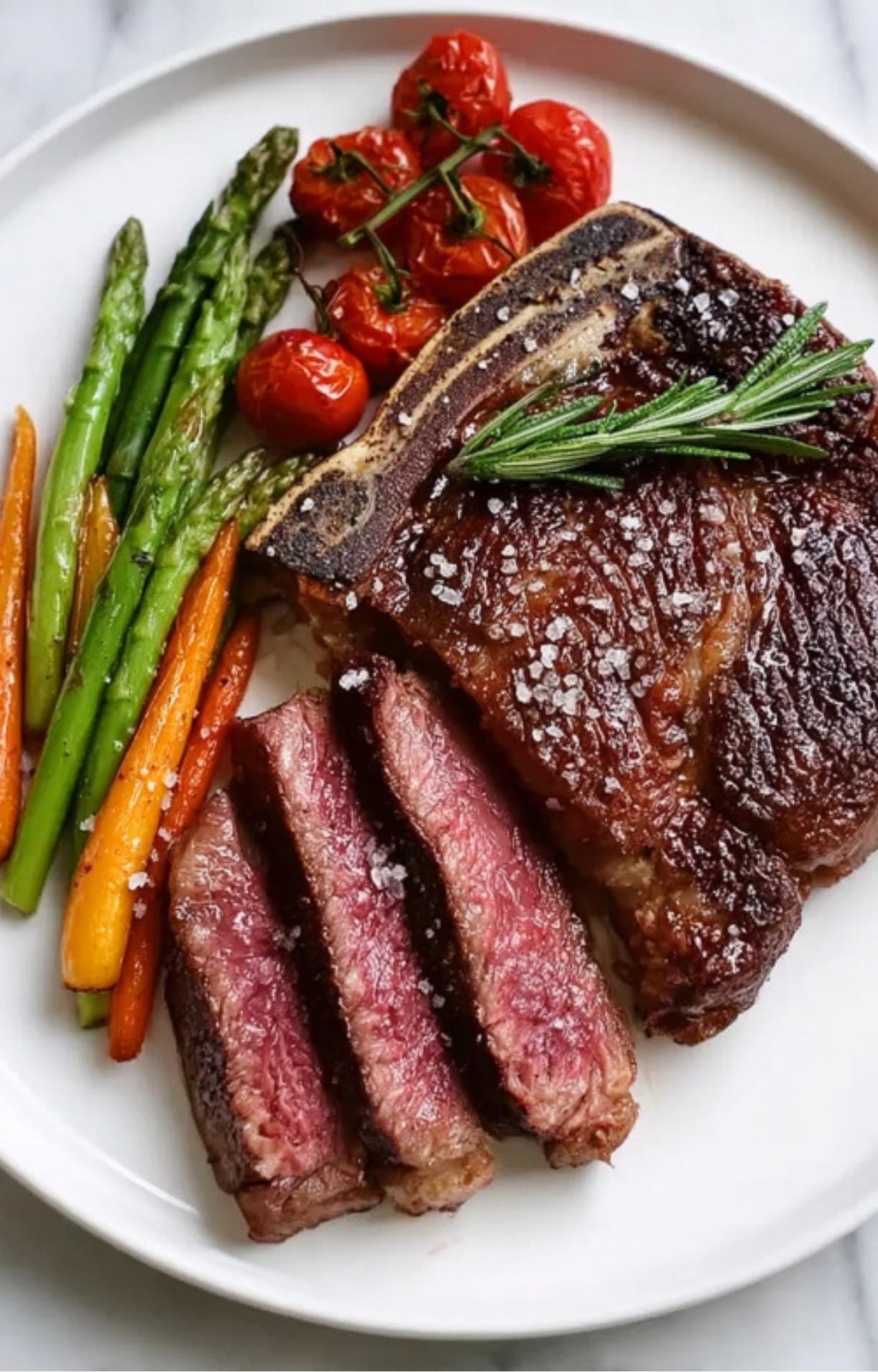
- Slice against the grain and serve with a vegetable side.
Serving ideas
- Thinly slice and serve over a bed of mixed greens with cherry tomatoes and vinaigrette.
- Serve alongside garlic-roasted mushrooms and a small scoop of brown rice.
- Use leftover slices in fajitas, salads, or a hearty sandwich on whole-grain bread.
FAQ
How much protein is in a ribeye steak?
A ribeye has about 26g of protein per 100g. A typical 8-ounce (227g) cooked ribeye
has roughly 59g of protein — more than enough to cover most people’s protein needs
for a single meal.
How many calories are in a ribeye steak?
About 275 calories per 100g. An 8-ounce cooked ribeye runs around 624 calories,
while a smaller 4-ounce portion is closer to 311 calories.
How much saturated fat is in a ribeye steak?
Roughly 8g of saturated fat per 100g, or about 18g in a full 8-ounce serving.
Trimming the visible fat cap before cooking reduces this noticeably.
Does ribeye steak have carbs?
No. Ribeye, like all beef, has 0g of carbohydrates and 0g of fiber — it’s a
pure protein-and-fat food, which is why it’s a staple on keto and low-carb diets.
Is ribeye high in protein?
Yes. At 26g of protein per 100g, ribeye ranks among the higher-protein cuts of
beef, comparable to sirloin and only slightly behind leaner cuts like tenderloin.
Is rib eye steak healthy?
Rib eye is nutrient-dense and high in protein, iron, zinc, and B12. It is higher in calories and saturated fat than leaner cuts, so it is healthiest when eaten in moderation and balanced with vegetables and whole grains.
How often can I eat rib eye without risking heart health?
For most people, enjoying rib eye occasionally, for example once a week or less, is reasonable. If you have high cholesterol or other heart disease risk factors, talk with your doctor or dietitian for personalized guidance.
Does cooking method change the nutrition?
The cooking method itself does not change the protein much, but adding butter heavy sauces or deep frying will increase calories. Grilling, broiling, or pan-searing with a little healthy oil keeps calories lower.
Can rib eye fit into a weight loss plan?
Yes. Because it is high in protein, rib eye can help with satiety, but portion control is the key. Opt for 3 to 6 ounce portions and bulk up the meal with non-starchy vegetables.

Leave a Reply