
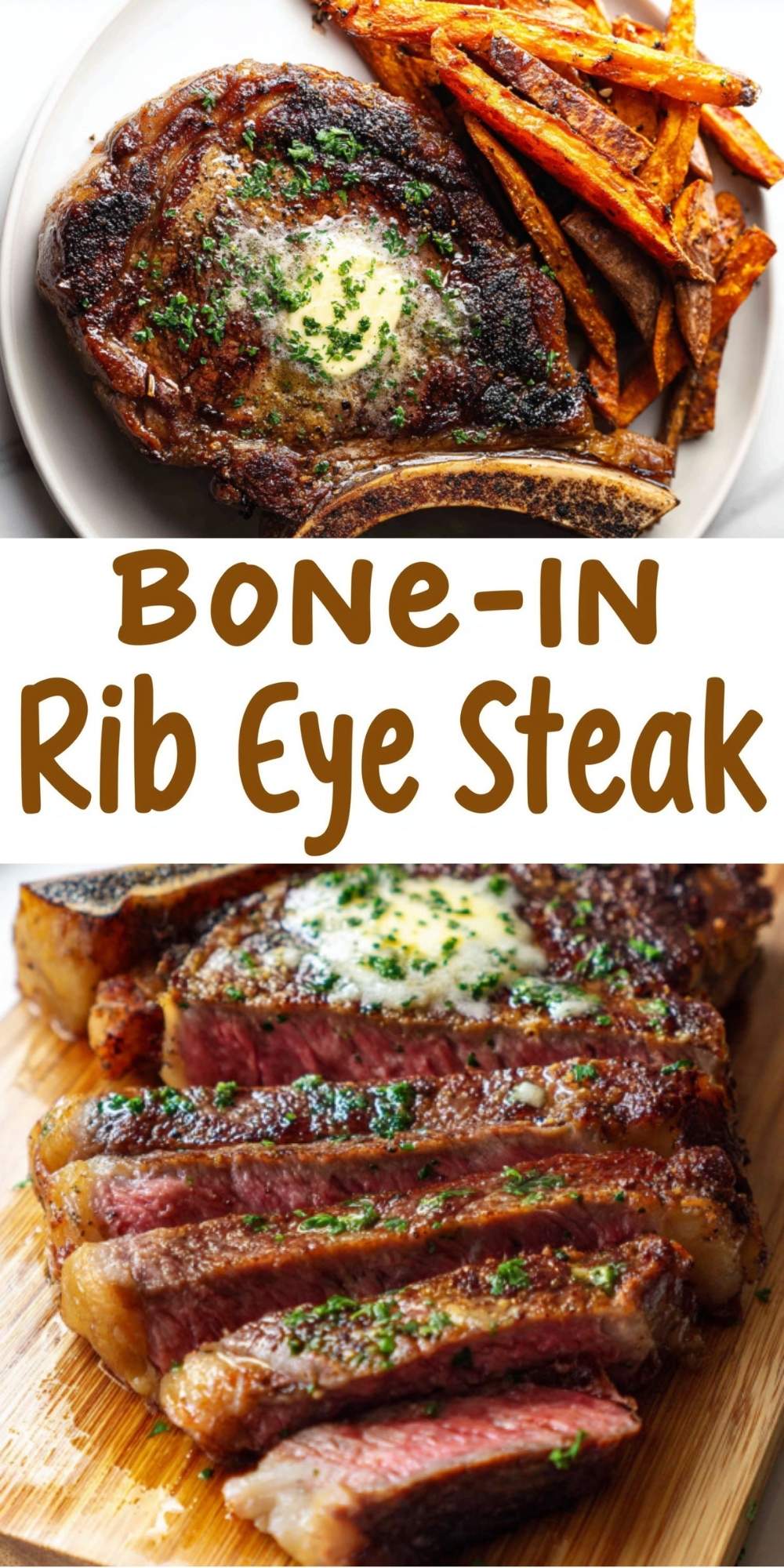
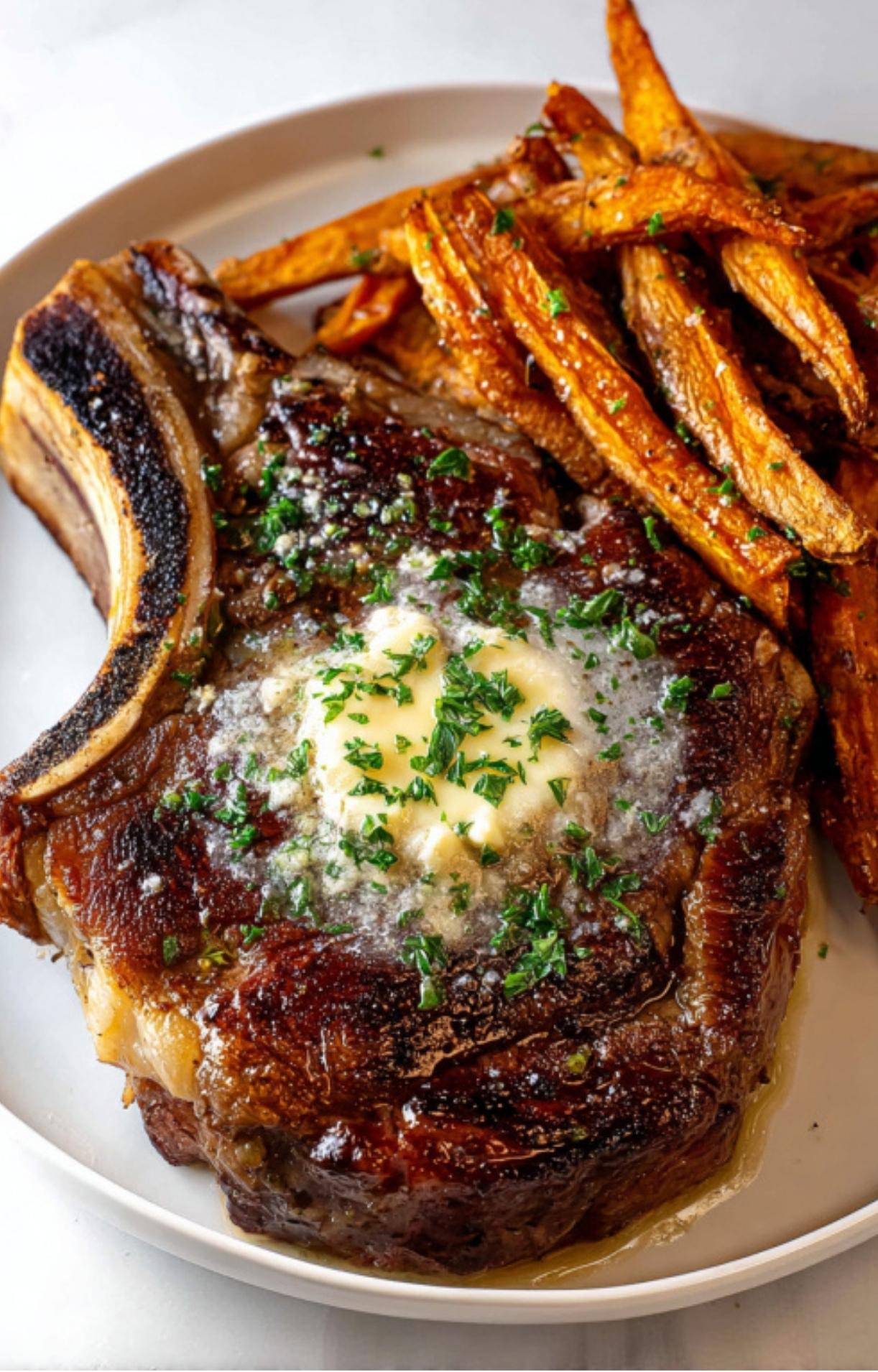
Hey, I’m Chloe! Welcome to Meat & Melt. If you want a bone-in rib eye steak that looks like it came from a steakhouse, slices like butter, and fills your kitchen with the smell of a dinner worth celebrating, you are in the right place. This recipe focuses on a reliable reverse sear method that gives you precise doneness, deep beefy flavor, and a caramelized crust every time. It’s approachable, repeatable, and great for family dinners or a special weekend meal.
Who this recipe is for
Home cooks who want reliable, restaurant-style results without complicated equipment. You may have tried pan-searing and wound up with an overcooked center or an underbrowned crust. The reverse sear solves that: slow oven heat for an even interior, then a screaming hot skillet for a perfect crust.
Equipment and tools you’ll want
- Instant-read thermometer
- Rimmed baking sheet with a wire rack
- Heavy oven-safe skillet, ideally cast iron
- Tongs and a carving knife
- Aluminum foil for resting
Using an instant-read thermometer is the single best way to nail doneness, so if you do not own one, this recipe is a great excuse to get one.
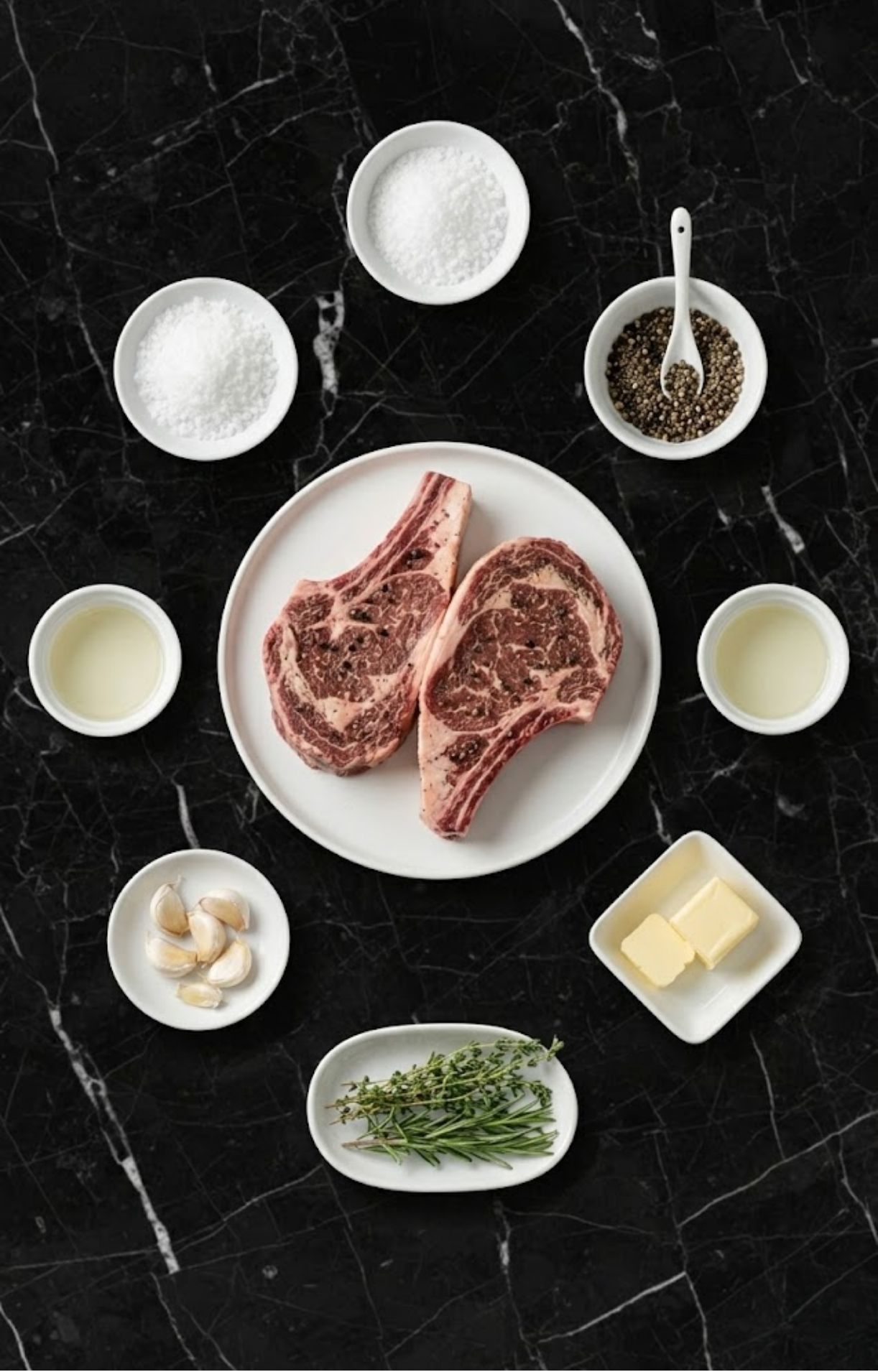
Ingredients
- Bone-in rib eye steak
- Kosher salt
- Freshly ground black pepper, optional
- Neutral oil with a high smoke point, such as avocado or grapeseed oil
- Unsalted butter, optional for finishing
- Garlic cloves, lightly smashed, optional
- Fresh thyme or rosemary sprigs, optional
For precise amounts, check the recipe card at the end of the post.
Timing and doneness chart (use thermometer)
Pull the steak from the oven when the internal temperature reaches the “pull temp.” Carryover heating while resting adds about 5°F.
- Rare: pull at 120°F, rests to about 125°F
- Medium-rare: pull at 125°F, rests to about 130°F
- Medium: pull at 135°F, rests to about 140°F
These are target internal temps for the thick part of the steak, away from the bone.
Instructions
- Remove the steak from the refrigerator 30 to 60 minutes before cooking and pat it dry with paper towels. Season both sides generously with kosher salt and lightly with pepper if using.
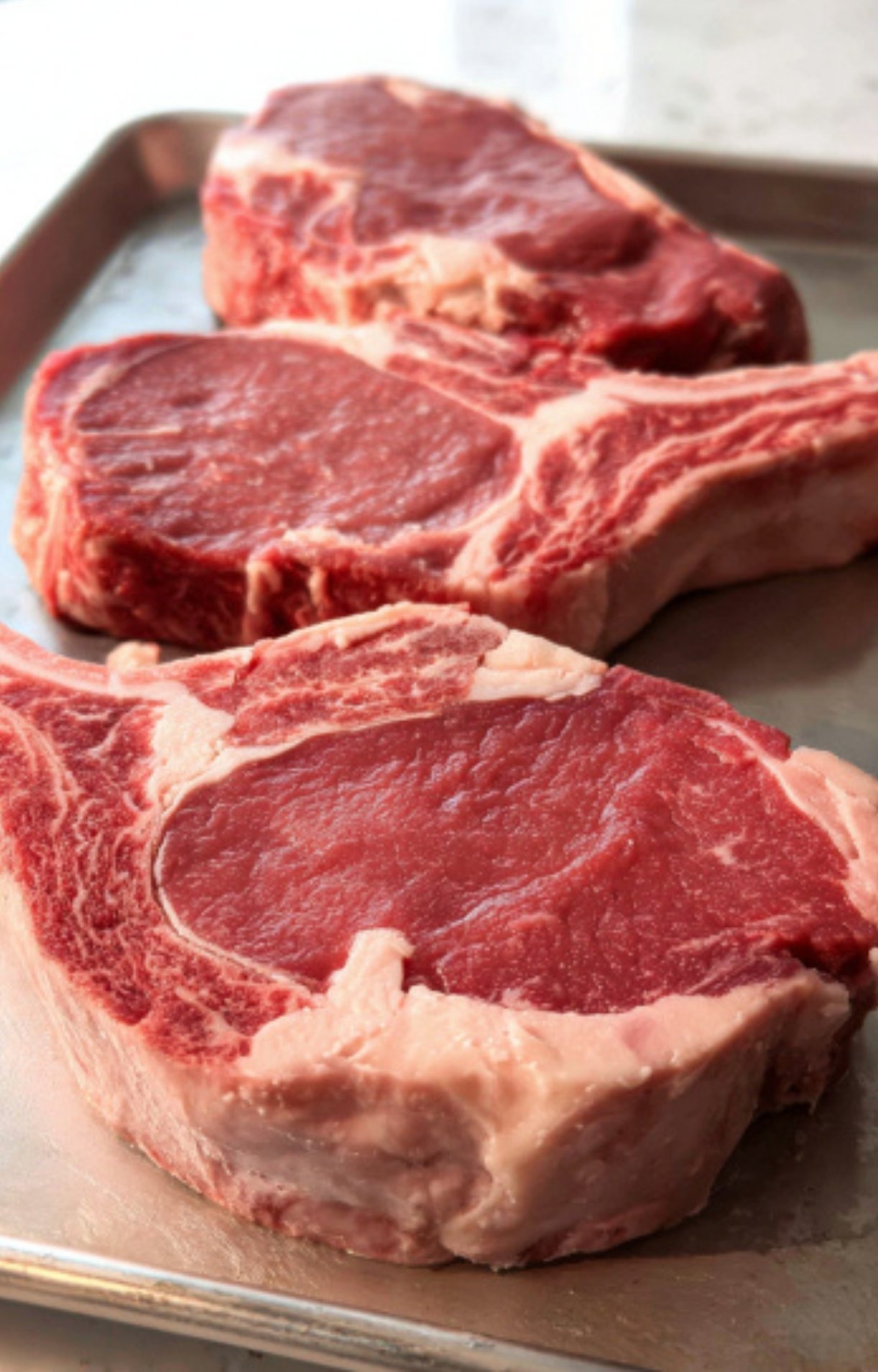
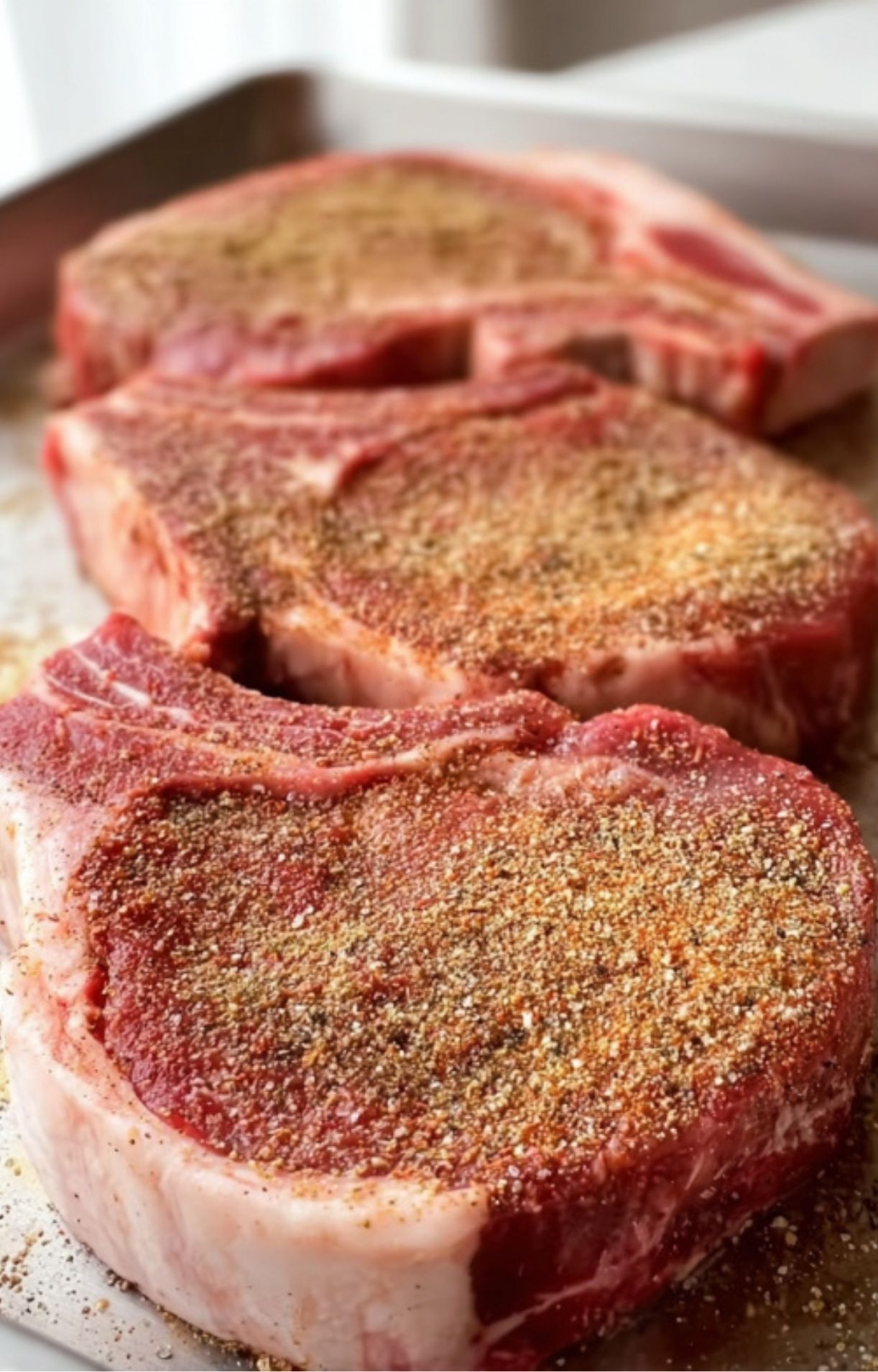
- Preheat your oven to 225°F and position a rack in the middle. Place a wire rack on a rimmed baking sheet and set the steak on the rack. The rack lets air circulate so the steak cooks evenly.
- Insert an oven-safe thermometer or plan to check with an instant-read thermometer later. Roast the steak in the low oven until it reaches your pull temperature. For a 1 to 1 ½ inch steak, this usually takes about 35 to 55 minutes depending on thickness and oven. Start checking at 30 minutes.
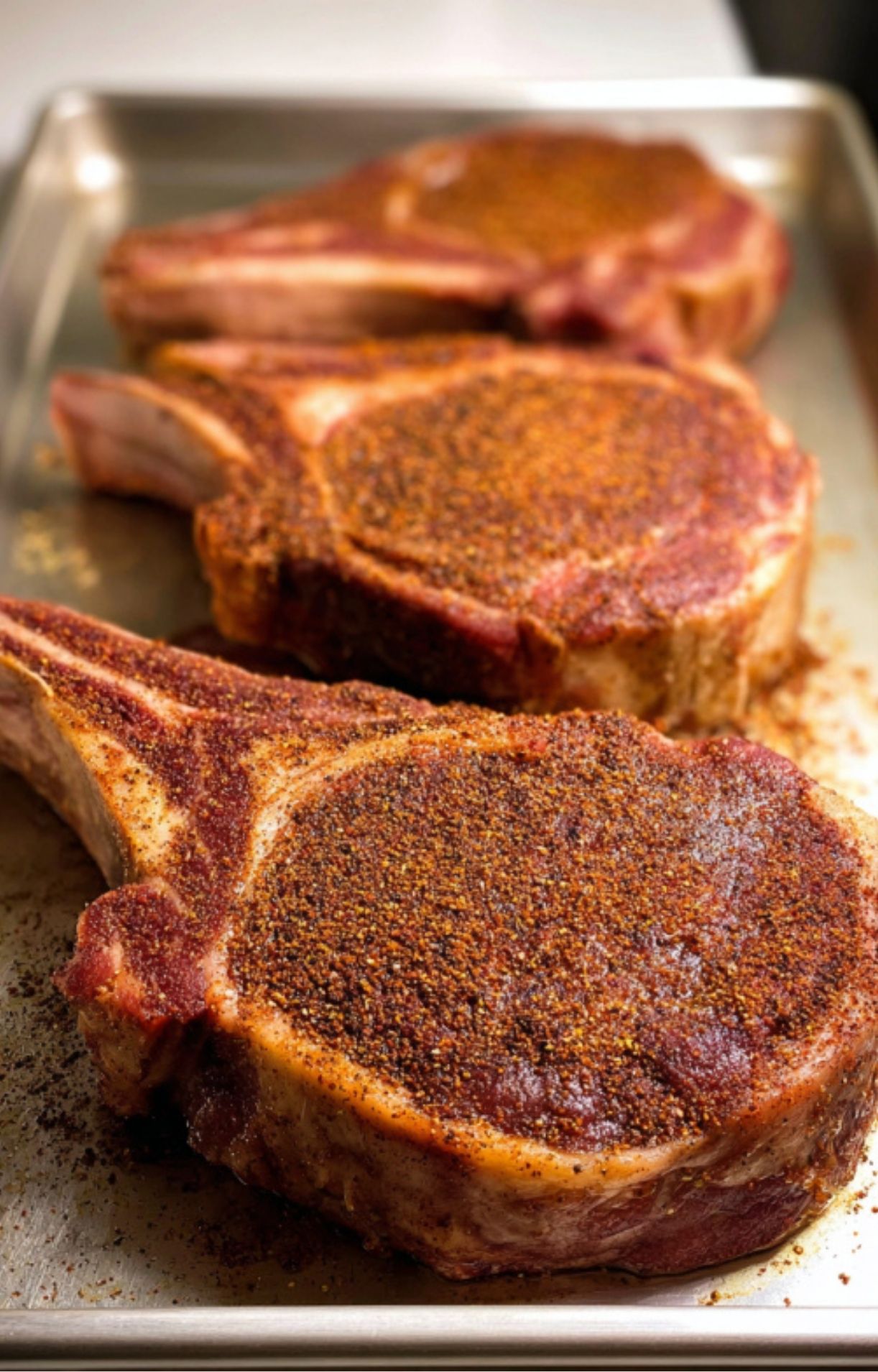
- When the steak is 5°F below your target pull temperature, remove it from the oven and let it rest briefly while you preheat your skillet. Place cast iron skillet over high heat and add 1 tablespoon neutral oil. Let the pan get smoking hot.
- Sear the steak 45 to 90 seconds per side until a deep brown crust forms. If you have extra time, sear the edges as well for 10 to 20 seconds. If using butter and aromatics, add butter, smashed garlic, and herbs for the last 15 to 30 seconds and spoon the melted butter over the steak.
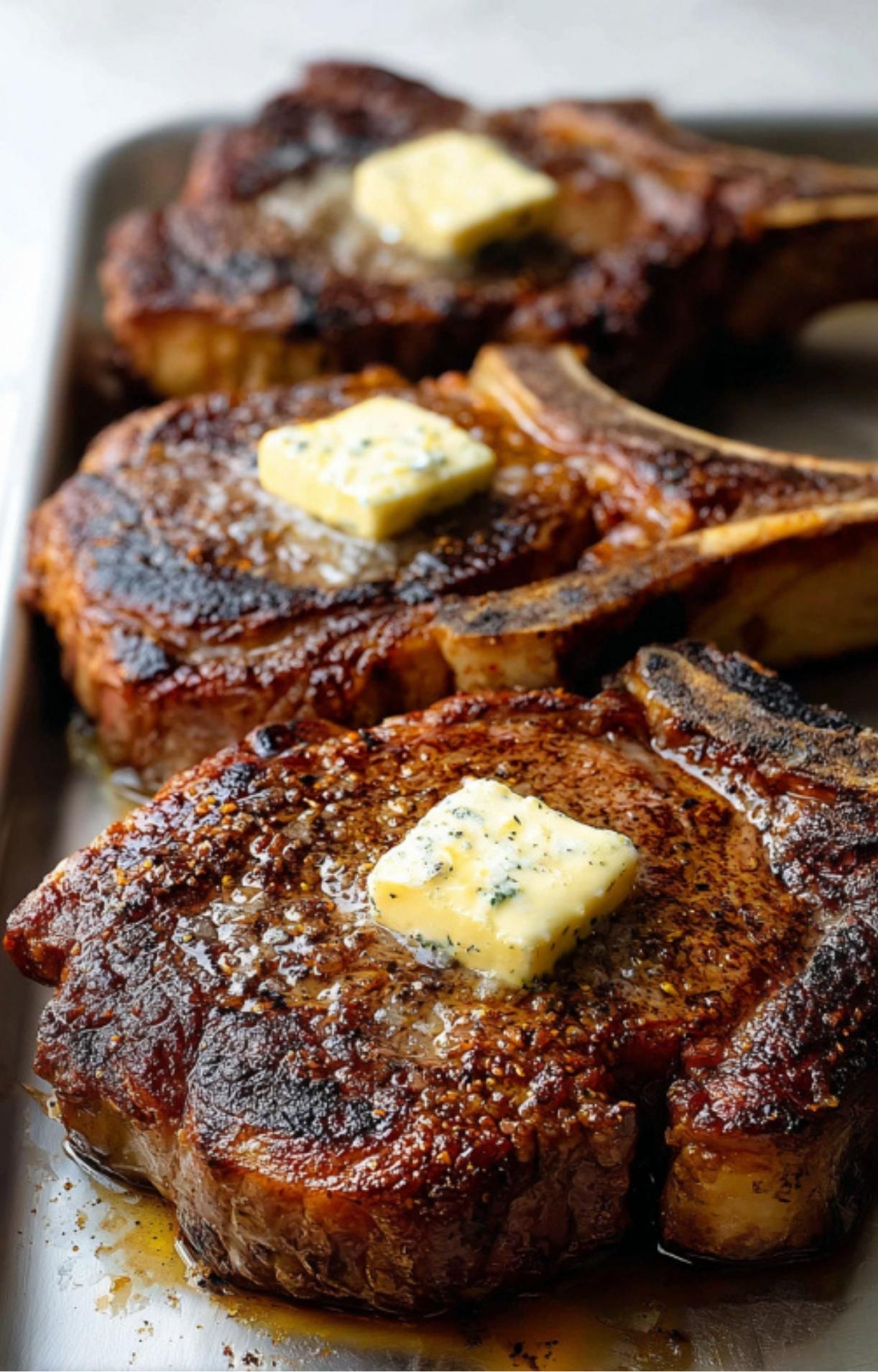
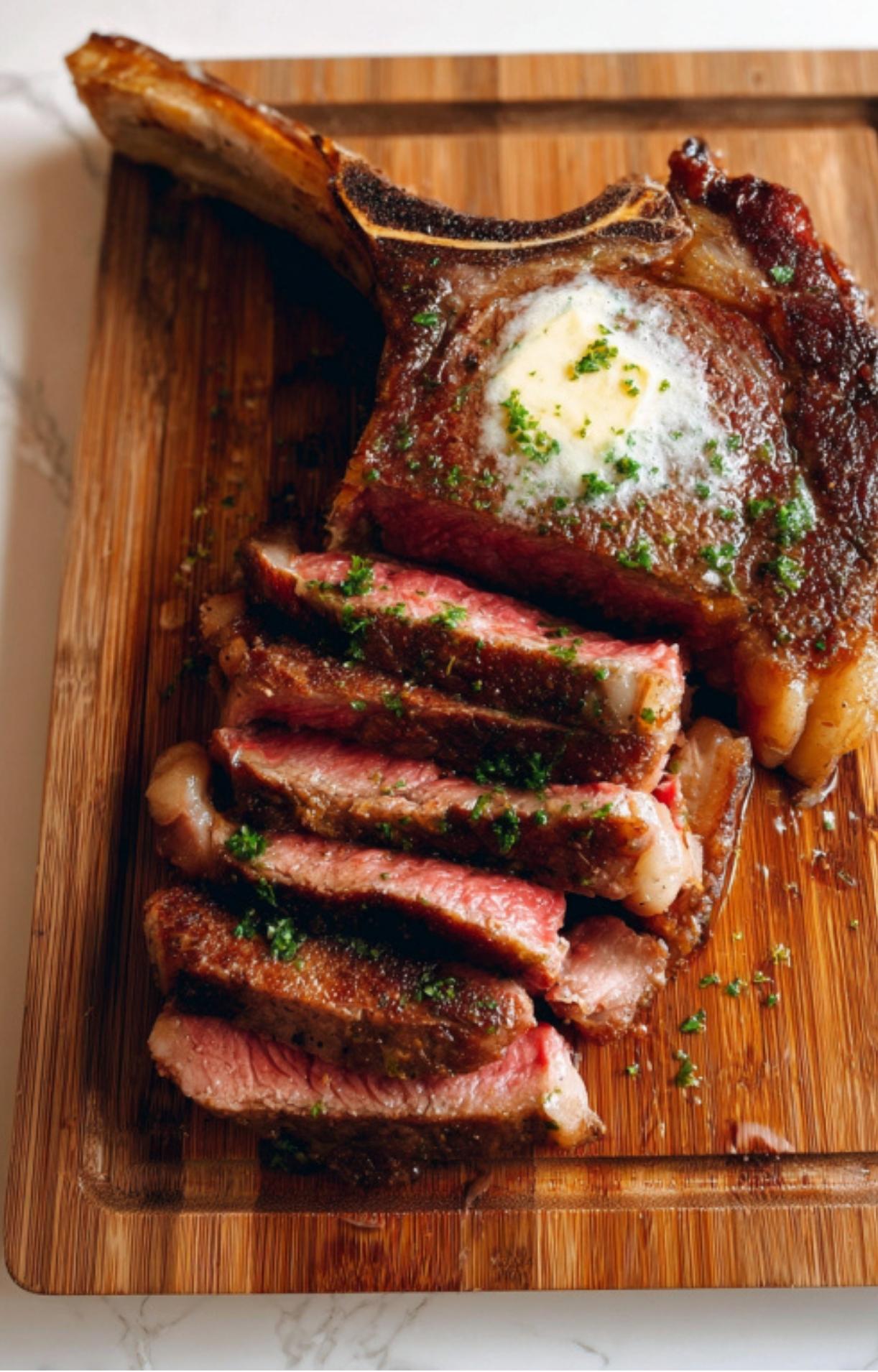
- Transfer the steak to a cutting board and tent loosely with foil. Rest 7 to 10 minutes to allow juices to redistribute and carryover cooking to finish.
- Slice against the grain and serve.
Step-by-step tips that change the result
- Dry, dry, dry. The drier the surface, the better the crust. Use paper towels to remove moisture before seasoning.
- Salt early if you can. Salting up to one hour before cooking improves texture and crust. If you salt longer, like overnight, keep the steak uncovered in the fridge.
- Low and slow first. The reverse sear prevents the outer layer from overcooking while letting you control the exact interior temperature.
- Hot skillet finish. The final high-heat sear is what makes the steak look and taste like a steakhouse cut. Cast iron is ideal because it retains heat.
- Resting is not optional. Cutting too soon loses juices. Resist the urge to slice right away.
Troubleshooting common problems
- Steak is over-browned but undercooked: next time reduce sear time or finish in a slightly cooler pan, or reduce oven pull temp before searing.
- Steak has gray exterior with no crust: pan was not hot enough or steak was wet. Preheat longer and dry the steak thoroughly.
- Uneven doneness: steak may have been too cold going into the oven. Bring to near room temperature before cooking.
Flavor variations and compound butter ideas
- Classic garlic-herb butter: mix softened butter with minced roasted garlic, chopped parsley, and a pinch of lemon zest. Place a pat on the steak as it rests.
- Blue cheese butter: fold crumbled blue cheese and chives into softened butter for a punchy finish.
- Smoky paprika butter: blend smoked paprika and a touch of cayenne into butter for a mild smoky heat.
Ingredient swaps and special diets
- Lower sodium: reduce salt to taste and finish with a flavored finishing salt on each plate.
- Keto or low-carb: steak is already a great fit, pair with roasted vegetables or creamy cauliflower mash.
- Dairy-free: skip butter; finish with an herb vinaigrette or drizzle of olive oil.
Reverse sear versus quick sear then broil
Reverse sear gives more even doneness and precise control, especially for thick bone-in steaks. Quick sear then broil can be faster and works well for thinner cuts, but it is easier to overcook the center on thick steaks with that method.

bone-in rib eye steak
This easy reverse sear bone-in rib eye steak for family dinner delivers precise doneness, deep beefy flavor, and a caramelized crust every time. Slow roasting in a low oven followed by a blazing hot skillet sear gives you steakhouse results with simple ingredients and a reliable method.
Ingredients
- 1 bone-in rib eye steak, 1 to 1 ½ inches thick (12 to 20 oz)
- 1 to 2 teaspoons kosher salt per side, adjust to steak size
- ½ teaspoon freshly ground black pepper per side (optional)
- 1 to 2 tablespoons neutral oil with high smoke point
- 2 tablespoons unsalted butter (optional)
- 2 garlic cloves, smashed (optional)
- 2 sprigs fresh thyme or rosemary (optional)
Instructions
- Remove steak from fridge 30 to 60 minutes before cooking and pat dry thoroughly. Season generously with kosher salt on both sides and add pepper if using.
- Preheat oven to 225°F and position rack in the middle. Place a wire rack on a rimmed baking sheet and set steak on the rack. Roast until internal temperature is 5°F below your target doneness, about 35 to 55 minutes for a 1 to 1 ½ inch steak. Start checking at 30 minutes.
- When steak is near target temperature, heat a cast iron skillet over high heat and add 1 tablespoon oil. Let the pan get smoking hot.
- Sear steak 45 to 90 seconds per side until a deep brown crust forms. Sear edges briefly if desired.
- If using butter and aromatics, add butter, smashed garlic, and herbs during the last 30 seconds and spoon melted butter over the steak.
- Transfer steak to a cutting board, tent loosely with foil, and rest 7 to 10 minutes. Slice against the grain and serve.
Notes
Use an instant-read thermometer for precise doneness and remember carryover cooking adds about 5°F while resting. Drying the steak well before roasting helps develop a better crust during the final sear. For thicker steaks, extend oven time and monitor temperature closely. Store leftovers in the refrigerator up to 3 days and reheat gently in a low oven or skillet.
Nutrition Information
Serving Size ½ steakAmount Per Serving Calories 600Total Fat 48gSaturated Fat 20gTrans Fat 2gUnsaturated Fat 23gCholesterol 140mgSodium 520mgCarbohydrates 0gFiber 0gSugar 0gProtein 42g
Serving suggestions
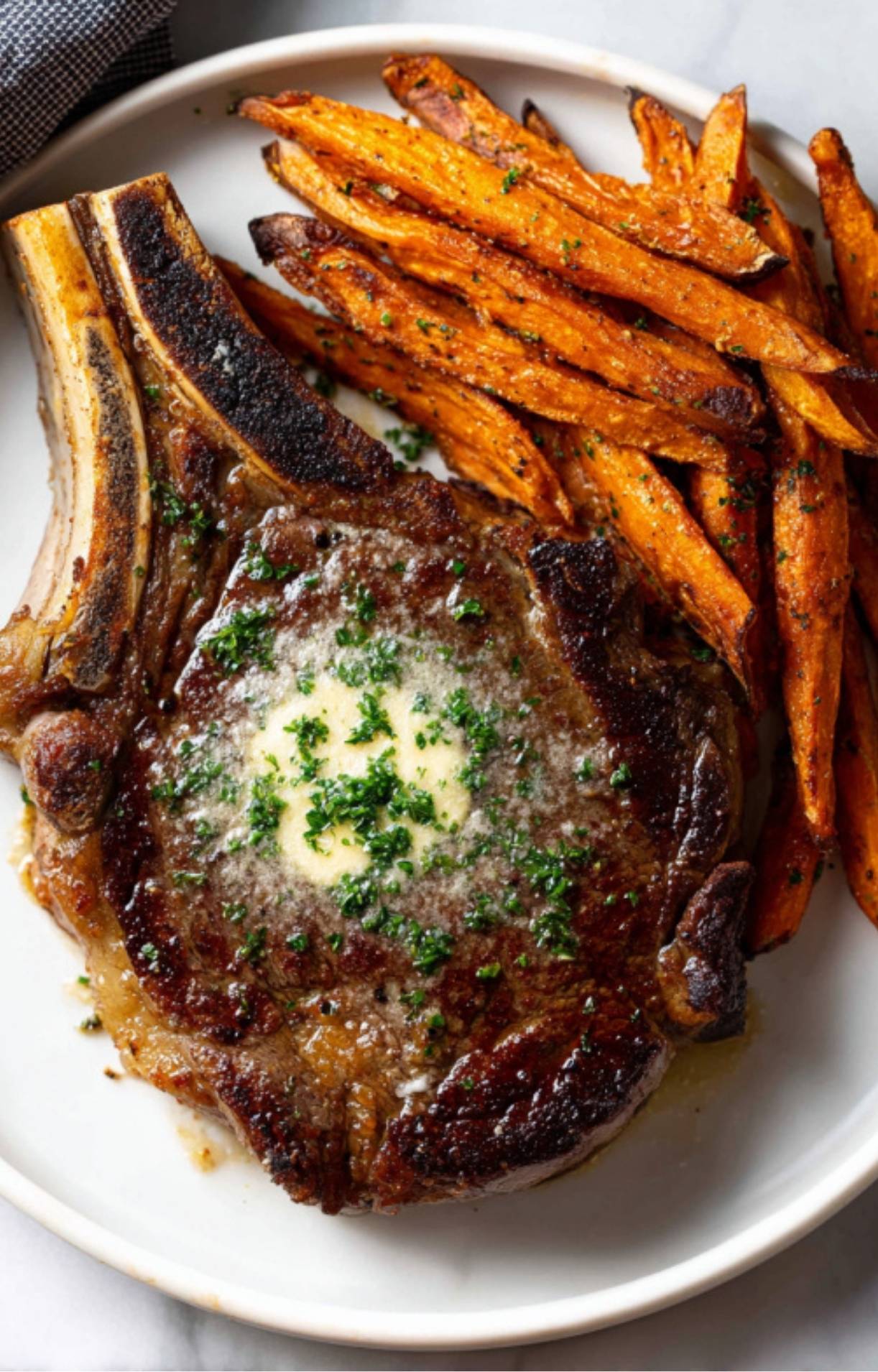
- Steakhouse classic: sliced rib eye over garlic mashed potatoes, with roasted asparagus or green beans.
- Steak salad: thinly sliced steak over baby arugula, cherry tomatoes, red onion, shaved parmesan, and balsamic vinaigrette.
- Sandwich: pile sliced steak on toasted ciabatta with caramelized onions and provolone for a hearty sandwich.
Storing and reheating leftovers
- Refrigerate in an airtight container up to 3 days.
- Reheat gently to preserve texture: wrap in foil and warm in a 275°F oven until heated through, or finish slices in a hot skillet for a short time. Avoid microwaving when possible.
Kid-friendly and family tips
- Slice steak thin for kids and pair with simple sides like mashed potatoes or roasted sweet potatoes.
- For family meals, cook multiple steaks on a single sheet with space between them, and monitor internal temps individually.
Food safety and thermometer guidance
Insert an instant-read thermometer into the thickest part of the steak, away from the bone. Do not touch the bone. The bone conducts heat and can give a misleading reading if touched.
FAQ
For a 1 to 1 ½ inch steak, plan roughly 35 to 55 minutes in a 225°F oven to reach medium-rare pull temp. Start checking at 30 minutes with an instant-read thermometer so you can catch your target.
Yes. If your grill can reach very high heat, you can finish with direct heat for 60 to 120 seconds per side to form the crust. Use grill grates that have been cleaned and oiled to prevent sticking.
Yes. Reverse sear is ideal for steaks thicker than one inch because it prevents the outer layer from overcooking while you aim for a precise interior temperature.
You can. Salting up to 24 hours before cooking and leaving the steak uncovered in the fridge improves flavor and crust. If you salt far in advance, be gentle with additional salt at plating.

Leave a Reply