
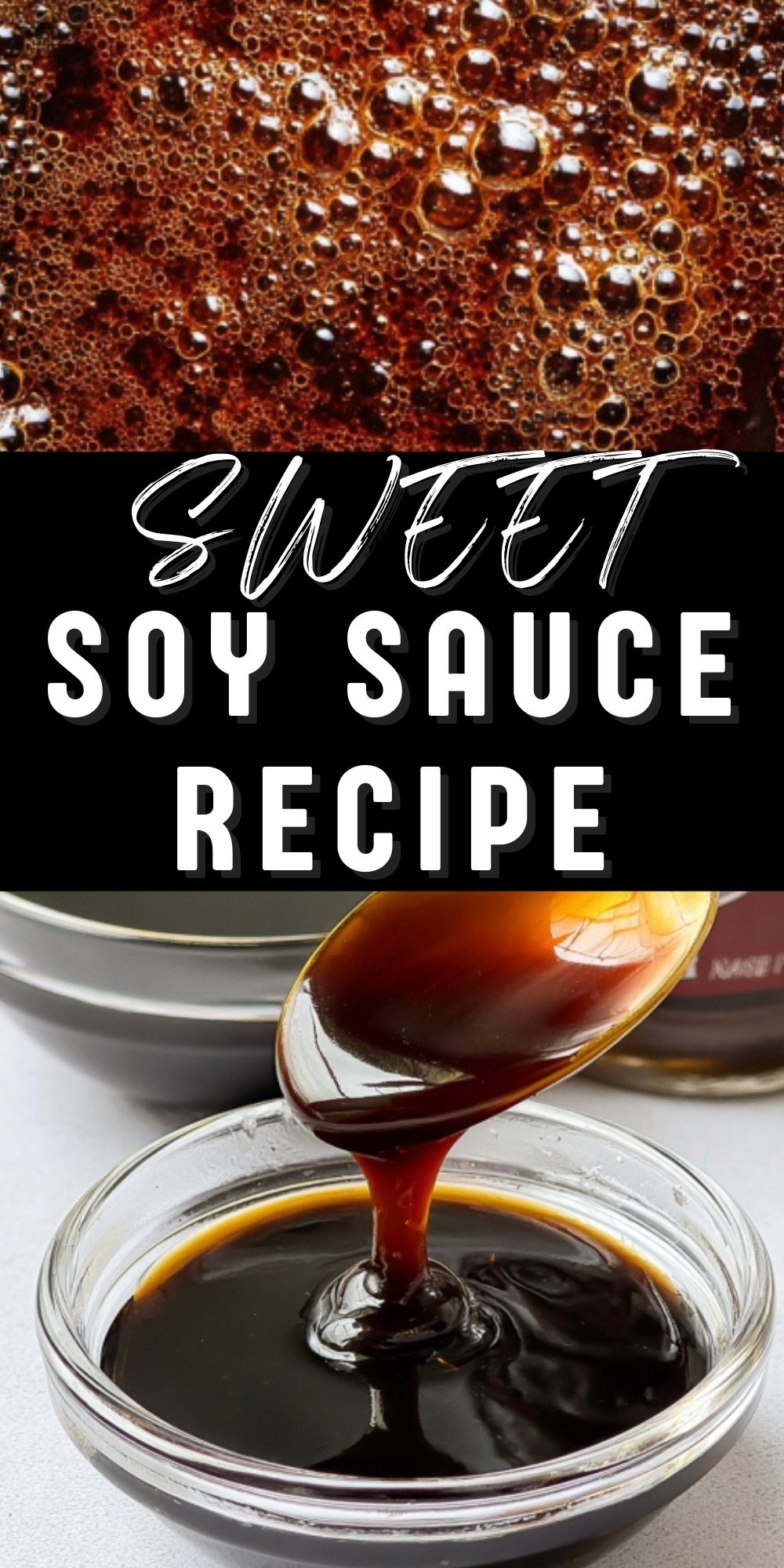
This homemade sweet soy sauce (kecap manis) is sticky, sweet, salty, and makes everything better—fried rice, tofu, veggies, or noodles. You only need three pantry ingredients and 15 minutes for a sauce that’s even better than store-bought. It keeps well in the fridge, so you’ll always have a jar ready to add big flavor to any meal.
What Is Sweet Soy Sauce (Kecap Manis)?
Is soy sauce sweet? Not on its own — but sweet soy sauce is made by simmering regular soy sauce with sugar until it turns thick, dark, and syrupy. In Indonesia it’s called kecap manis, and it’s the sticky, sweet-and-salty cousin of the thin, salty soy sauce you’re used to — closer to a glaze than a seasoning splash.
It’s different from dark soy sauce too. Dark soy sauce is aged longer and a little sweet, but it’s still primarily a savory, salty condiment. Kecap manis — sometimes called sticky soy sauce because of its syrupy texture — is the one built specifically for sweetness, which is why it’s the secret behind glossy fried rice, sticky marinades, and dipping sauces that caramelize beautifully on the grill.
Why You’ll Love This Sweet Soy Sauce
- Thick, glossy, and packed with rich, savory-sweet flavor
- Made with simple pantry ingredients and easy to customize
- No preservatives—just pure, budget-friendly, vegan goodness
- Keeps for weeks in the fridge, ready to upgrade any meal
Ingredient Breakdown and Substitutions
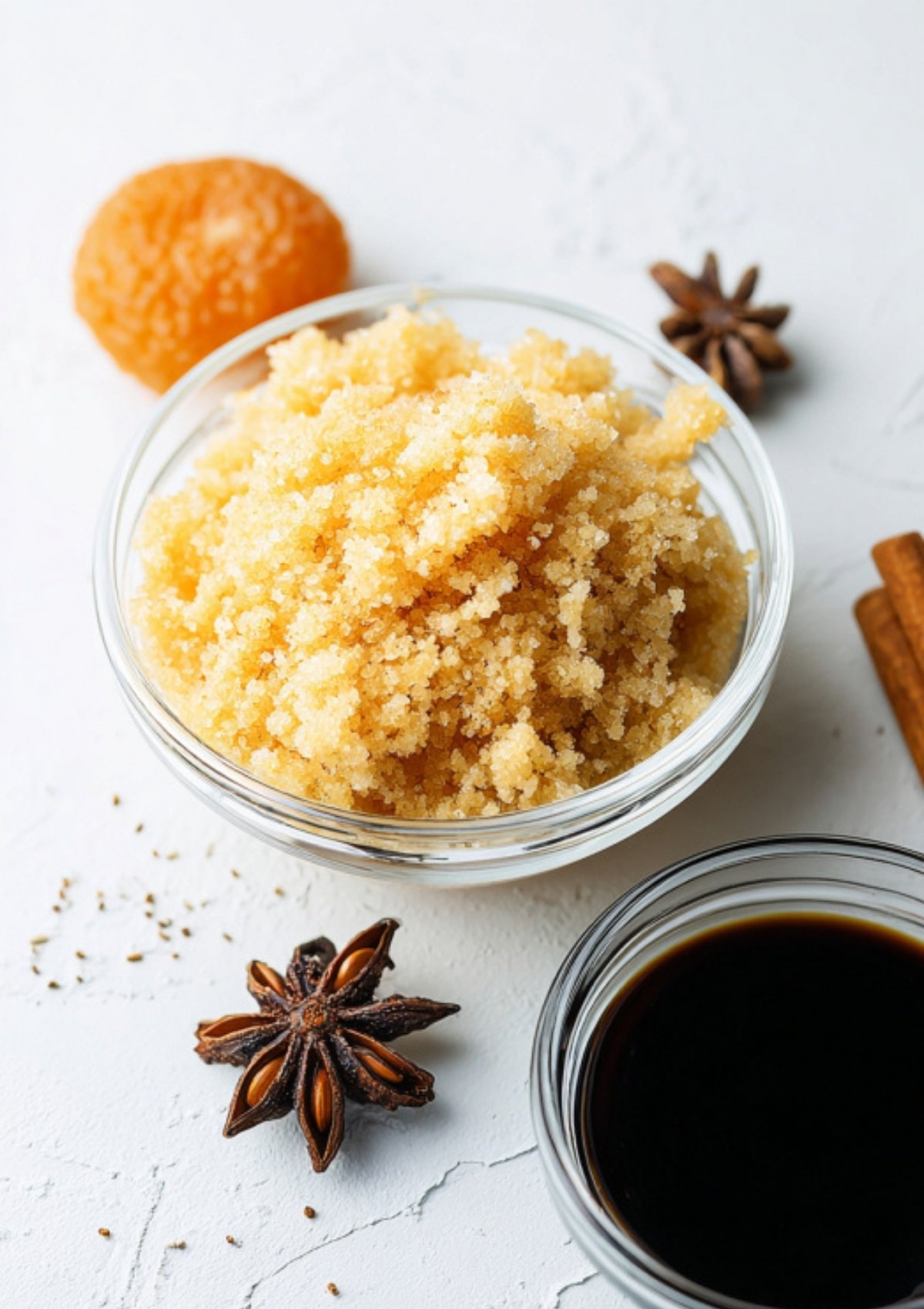
- Soy Sauce: Regular all-purpose or light soy sauce works best. Avoid dark soy sauce—it’s too intense and already a bit sweet.
- Sugar: Palm sugar or coconut sugar is traditional, but brown sugar is a great sub. White sugar will do in a pinch but won’t have quite the same flavor.
- Star Anise (optional): Adds a gentle, warm spice note. Not required, but highly recommended for that “something extra.”
No palm sugar? Don’t stress! Use coconut sugar, brown sugar, or even maple syrup if you’re in a pinch.
For precise amounts, check the recipe card at the end of the post.
Sweet Soy Sauce Around the World
Kecap manis is Indonesia’s version, but “sweet soy sauce” shows up across Asian cooking with a few regional twists:
- Indonesian kecap manis (this recipe): thick and syrupy, sweetened with palm sugar, often spiced with star anise or a little garlic.
- Japanese sweet soy sauce: closer to a tare or teriyaki-style glaze — soy sauce, sugar, and mirin or sake reduced together, thinner than kecap manis but similarly glossy.
- Thai sweet soy sauce (see ew wan): used in dishes like pad see ew, usually thinner and less spiced, letting the caramel-soy flavor stand on its own.
Want a Japanese-style version? Swap the star anise for a splash of mirin and a spoon of sake once the sauce has thickened. For a Thai-style sauce, skip the star anise entirely and reduce the simmer time by a couple minutes for a thinner pour.
Quick How-To: Making Sweet Soy Sauce at Home
This homemade sweet soy sauce recipe is all about simmering your favorite soy sauce with sugar and a hint of spice until it’s sticky and thick. You’ll only need one pot, three ingredients, and about 10 minutes of patience. Let’s do this!
Instructions
- Combine Ingredients: Add soy sauce, sugar (palm, coconut, or brown), and star anise (if using) to a small saucepan.
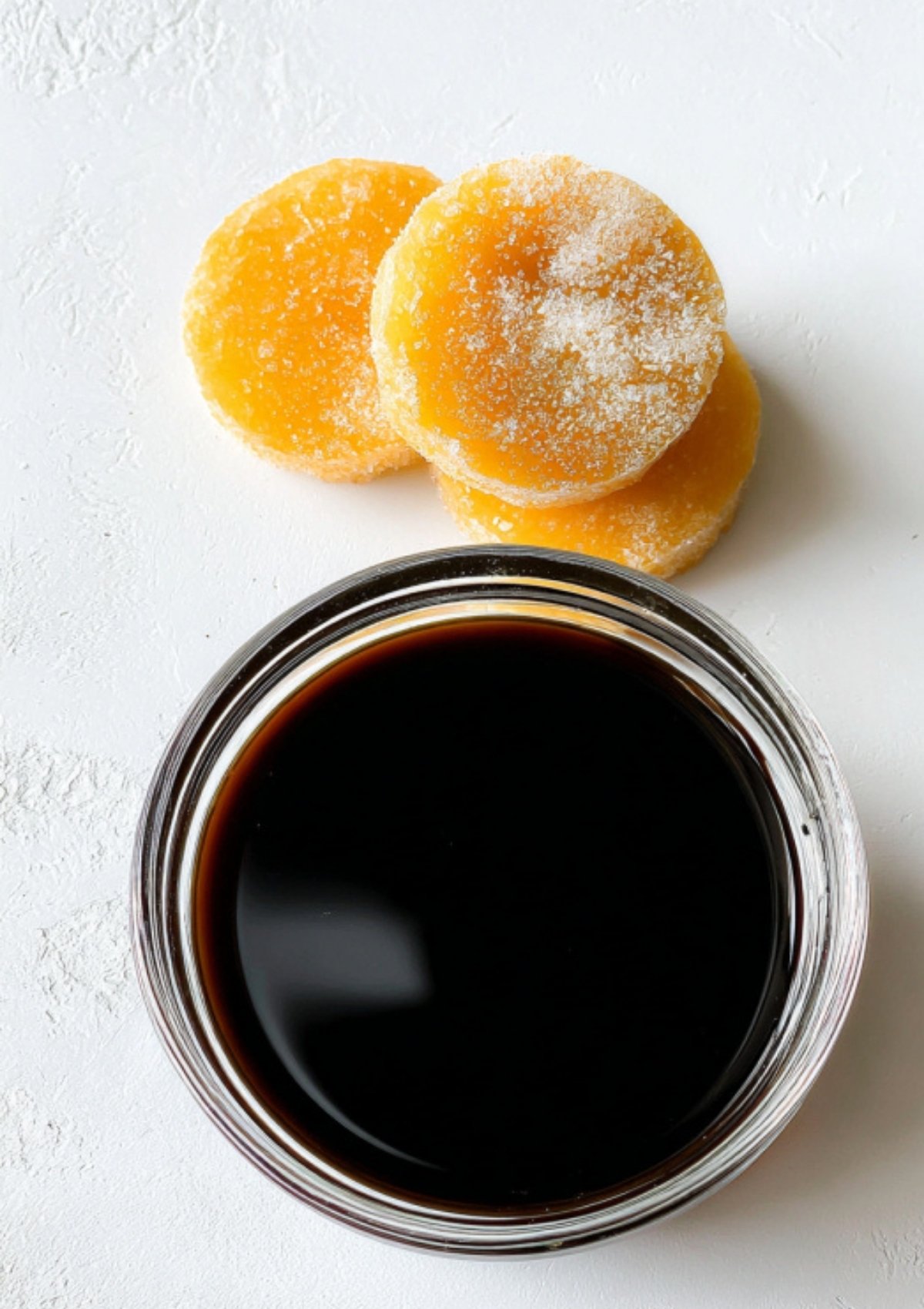
- Heat: Bring the mixture to a boil over medium-high heat, then reduce to low.
- Simmer: Stir often and let it bubble away for 5–10 minutes, until the sauce thickens to the consistency of maple syrup.
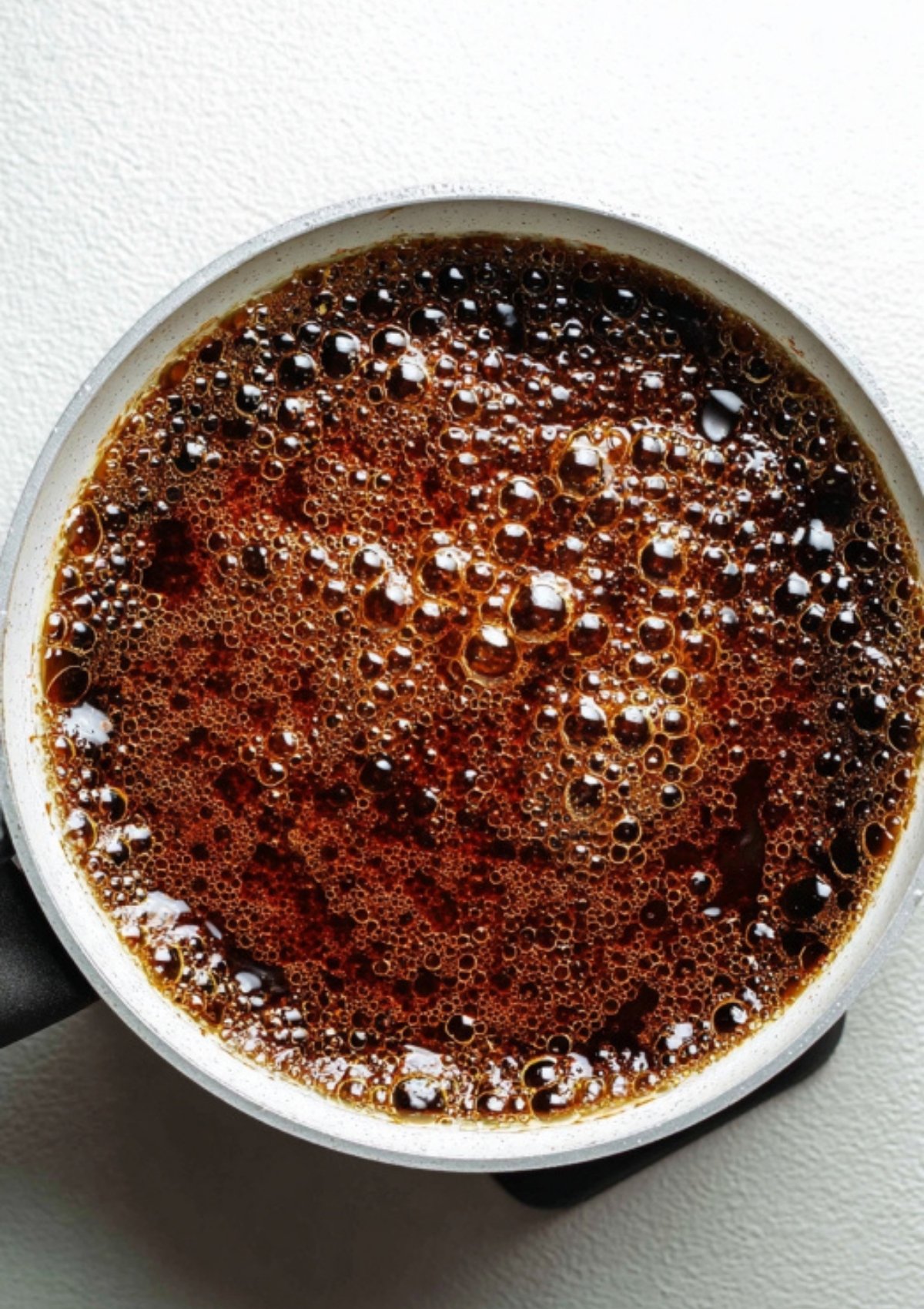
- Cool: Remove from heat. The sauce will thicken more as it cools.
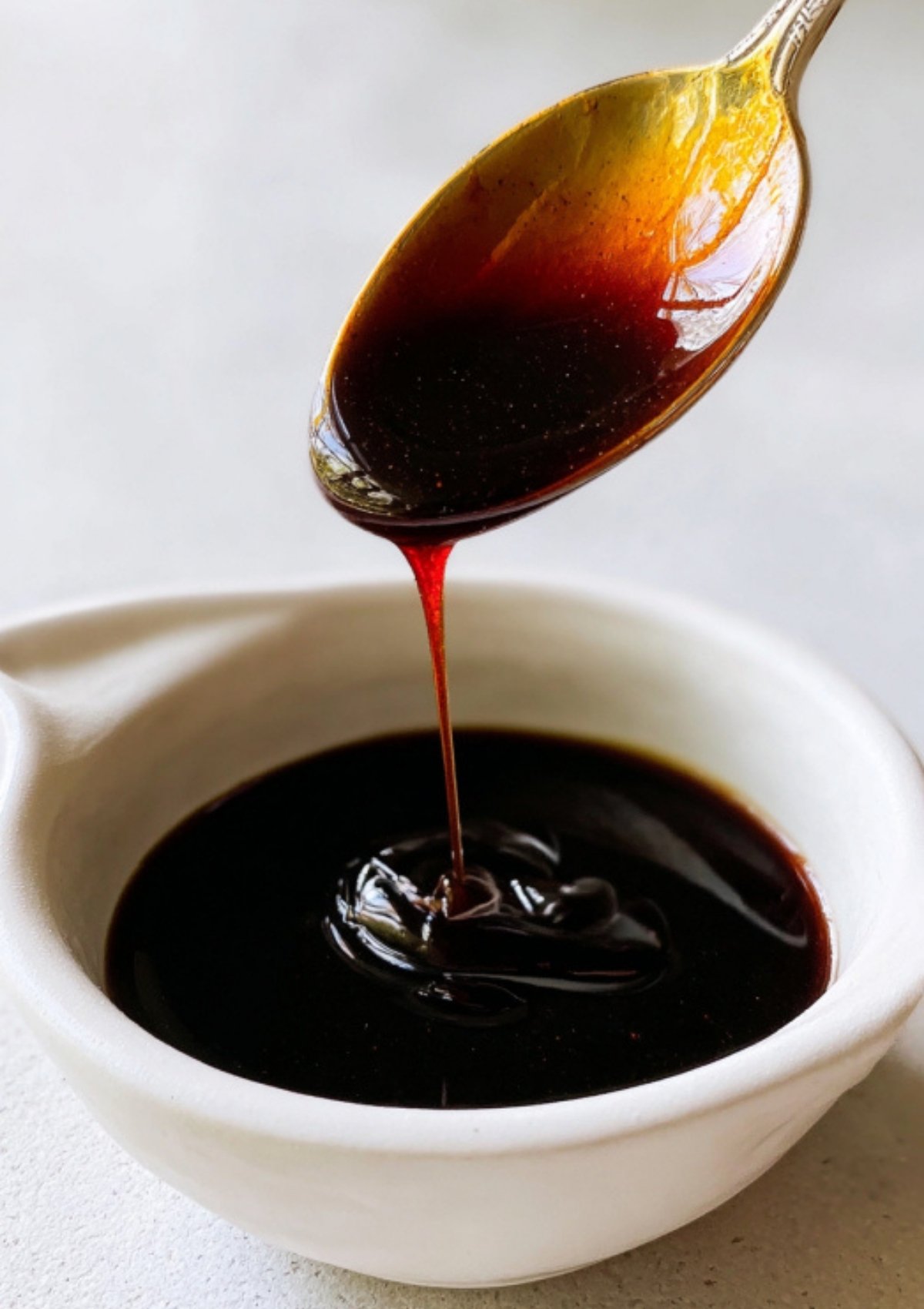
- Store: Pour into a clean jar or container. Once cooled, keep it in the fridge for up to a month (if it lasts that long).
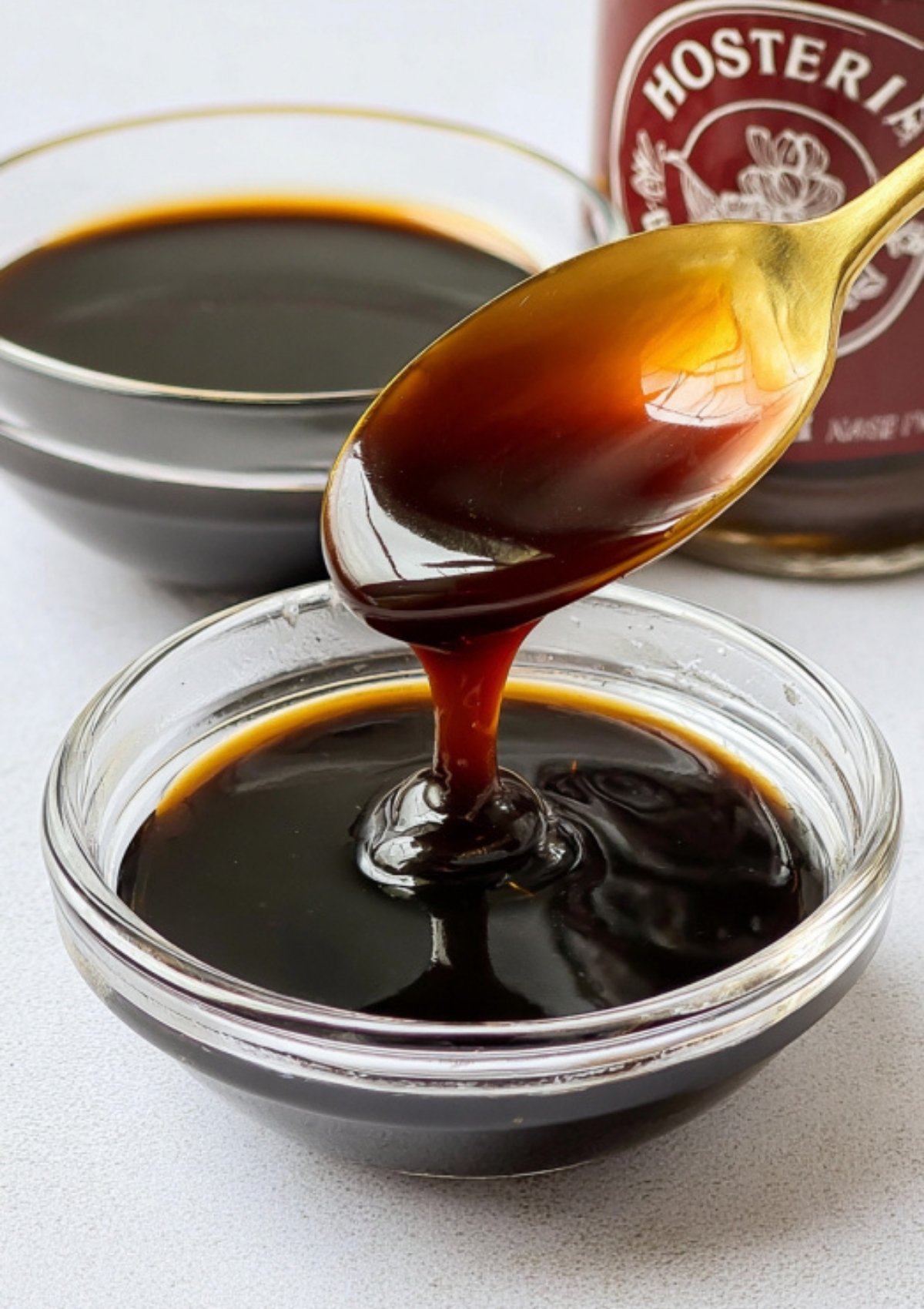
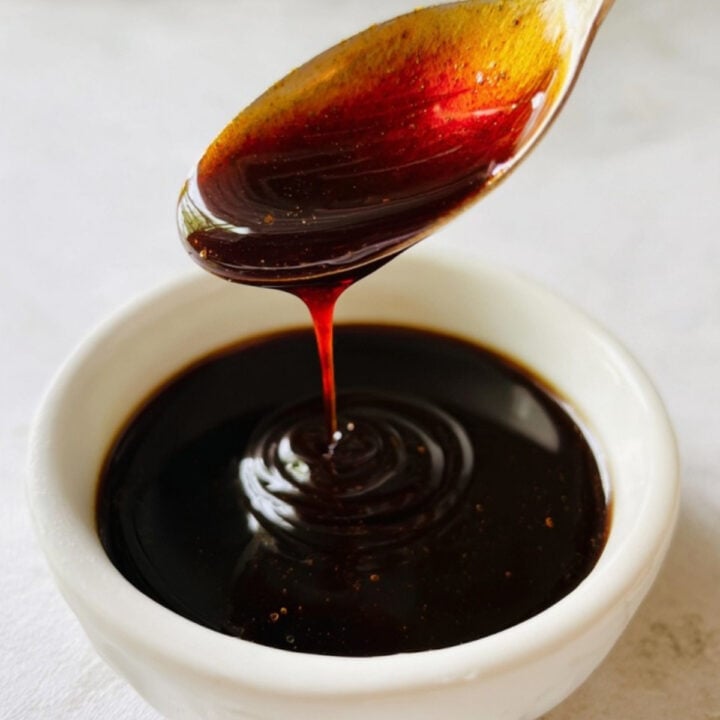
Sweet Soy Sauce Recipe (Kecap Manis)
Sticky, sweet, and savory—this homemade kecap manis is your secret weapon for leveling up fried rice, noodles, marinades, and more. Made with just three pantry staples, it’s thick, glossy, and completely addictive.
Ingredients
- ½ cup soy sauce (light or all-purpose)
- ¾ cup palm sugar, coconut sugar, or brown sugar (grated or packed)
- 1 whole star anise pod (optional)
Instructions
- Add soy sauce, sugar, and star anise to a small saucepan.
- Bring to a boil over medium-high heat, then reduce to low and simmer, stirring often.
- Continue simmering for 5–10 minutes, until the mixture thickens to a maple syrup-like consistency.
- Remove from heat and let cool completely (sauce will thicken more as it cools).
- Store in a sealed container in the fridge for up to a month.
Notes
Keep an eye on your sauce as it simmers to prevent boiling over. If your palm sugar comes in a brick, grate it before using. The star anise adds depth but is totally optional. If the sauce thickens too much after cooling, just stir in a splash of hot water to loosen.
Nutrition Information
Serving Size 1 tablespoonAmount Per Serving Calories 50Total Fat 0gSaturated Fat 0gTrans Fat 0gUnsaturated Fat 0gCholesterol 0mgSodium 350mgCarbohydrates 12gFiber 0gSugar 10gProtein 1g
Tips for Homemade Sweet Soy Sauce
- Watch It Like a Hawk: The sauce can go from “thick and dreamy” to “boiled-over disaster” fast. Lower the heat if it bubbles up too much.
- Aim for Syrupy: It should look like maple syrup when hot. It’ll thicken even more as it cools.
- Customize: Toss in a cinnamon stick, a few peppercorns, or a pinch of ground coriander for extra flair.
- Store Like a Pro: Use a clean jar and keep it sealed in the fridge—no more sad, crusty bottles in the back of your cupboard.
How to Use Sweet Soy Sauce
- Stir-Fries: A couple spoonfuls turns any stir-fry into takeout-level delicious.
- Fried Rice & Noodles: The secret sauce in Indonesian classics like nasi goreng and mie goreng.
- Marinades: Mix with garlic, ginger, and sesame oil for a killer tofu or veggie marinade.
- Dips: Dunk spring rolls, dumplings, or even fries.
- Dressings: Whisk with rice vinegar, sesame oil, and ginger for a sweet, tangy salad dressing.
Storage, Swaps, and Troubleshooting
- Too Thick? Add a splash of hot water and stir to loosen.
- Too Thin? Simmer a bit longer, keeping a close eye.
- No palm/coconut sugar? Use brown sugar, maple syrup, or a blend.
- Want More Spice? Add a pinch of cinnamon or a couple of whole cloves for a deeper flavor.
FAQ
Is soy sauce sweet on its own?
No — regular soy sauce is salty and savory. Sweet soy sauce (kecap manis) gets its sweetness from sugar simmered directly into the sauce.
What’s the difference between sticky soy sauce and sweet soy sauce?
They’re the same thing. “Sticky soy sauce” is just a common way to describe kecap manis because of its thick, syrupy texture once it’s simmered down.
Is sweet soy sauce the same as Japanese soy sauce?
Not quite. Japanese sweet soy sauce is usually a thinner tare made with mirin or sake, while Indonesian kecap manis (this recipe) is thicker and sweetened with palm sugar.
Can I use regular soy sauce instead of light?
Absolutely! All-purpose soy sauce works great. Just avoid dark soy sauce—it’s too salty and sweet on its own.
What’s the best substitute for palm sugar?
Coconut sugar is closest, but brown sugar or even maple syrup are great swaps in a pinch.
Can I make this gluten-free?
Yes! Just use a gluten-free soy sauce or tamari.
How do I fix it if it gets too thick?
Stir in a splash of hot water until it’s back to your desired consistency.

Leave a Reply